Nike is reissuing its 1970s Moon Shoe—the waffle-soled torpedo kick that predates the Swoosh as cultural shorthand—in a sleek recreation with retro spring colorways, according to GQ. The move lands at a curious moment: sportswear's archive obsession has cycled through Air Jordans, Dunks, and Cortez reissues, but the Moon Shoe represents something earlier and stranger. This is Nike before Nike became a verb.
The original Moon Shoe debuted in an era when running shoes were still primarily tools, not statements. Bill Bowerman's waffle-iron sole was an engineering solution, not a brand story waiting to be monetized. The shoe was functional, minimal, and—crucially—unbranded in the way we understand branding now. Reissuing it in 2026 signals that sportswear's nostalgia cycle has exhausted the logo-heavy eras and arrived at the pre-logo moment when performance gear was just performance gear.
What makes this reissue interesting isn't the shoe itself—it's what Nike is betting consumers want from it. The Moon Shoe doesn't carry the cultural baggage of a Jordan or the streetwear credibility of a Dunk. It's a heritage play that asks buyers to care about craft and origin story over hype. That's a harder sell in a market trained to value scarcity and collaborations over historical significance. But it's also a signal that Nike thinks there's a consumer base tired of the algorithm's churn, looking for something that predates the influencer economy.
The retro spring colorways—pastel blues, soft yellows, muted greens—add another layer. These aren't the bold, high-contrast palettes that dominated sneaker culture for the past decade. They're quiet, almost domestic. The kind of colors you'd find in a 1970s kitchen, not on a hype-beast Instagram grid. It's a visual language that suggests restraint, a rejection of the louder-is-better logic that's driven sneaker marketing since the early 2000s. Whether that translates to sales or just gets filed under "interesting but irrelevant" depends on whether Nike's read on cultural fatigue is accurate.
Sportswear's archive mining has become its own genre, with brands like Adidas and New Balance following similar strategies. But there's a difference between reissuing a shoe that was already iconic and reissuing one that was foundational but not famous. The Moon Shoe is the latter. It's a deep cut, the kind of reference that only makes sense if you're already invested in Nike's origin mythology. That makes it either a smart play for the brand's most loyal consumers or a miscalculation about how far back people are willing to go for "authenticity."
The broader question is whether this marks the end of sportswear's nostalgia cycle or just the beginning of a new phase. If brands are reaching back to the pre-logo era, what comes after? Do we start seeing reissues of prototype sketches, sample shoes that never made it to market, the design failures that led to the successes? At some point, the archive runs out. And when it does, sportswear will have to decide whether it's capable of making something new again—or whether it's content to keep selling variations of its own past.
Nike's Moon Shoe reissue is a bet that there's still cultural capital in going back to the beginning. Whether that capital translates to sales, or just gets absorbed into the broader conversation about quiet luxury and understated design, will determine whether other brands follow. For now, it's a fascinating gamble: selling a shoe that existed before the brand became the product.
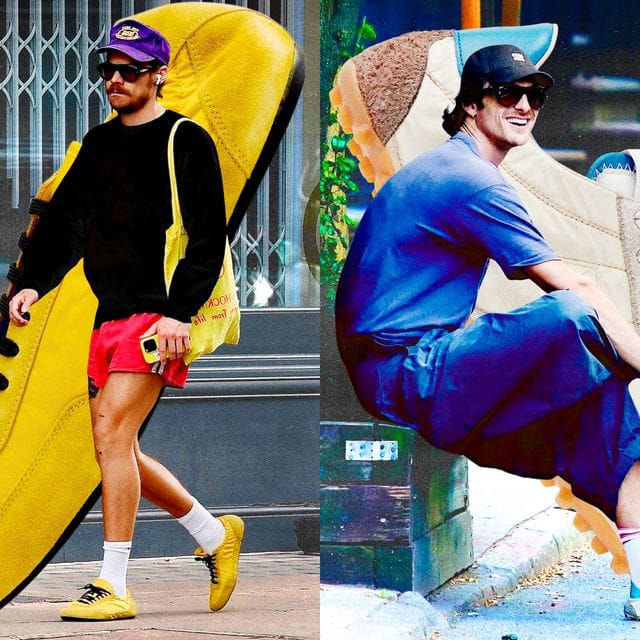
The Moon Shoe drops this spring. Whether it becomes a sleeper hit or a footnote in Nike's endless reissue strategy depends on whether consumers are ready to care about the moment before sportswear became content. If they are, expect every other brand to start digging deeper into their archives, looking for the pre-logo era that hasn't been monetized yet. If they're not, Nike will move on to the next nostalgia cycle and pretend this never happened. Either way, the archive keeps spinning.