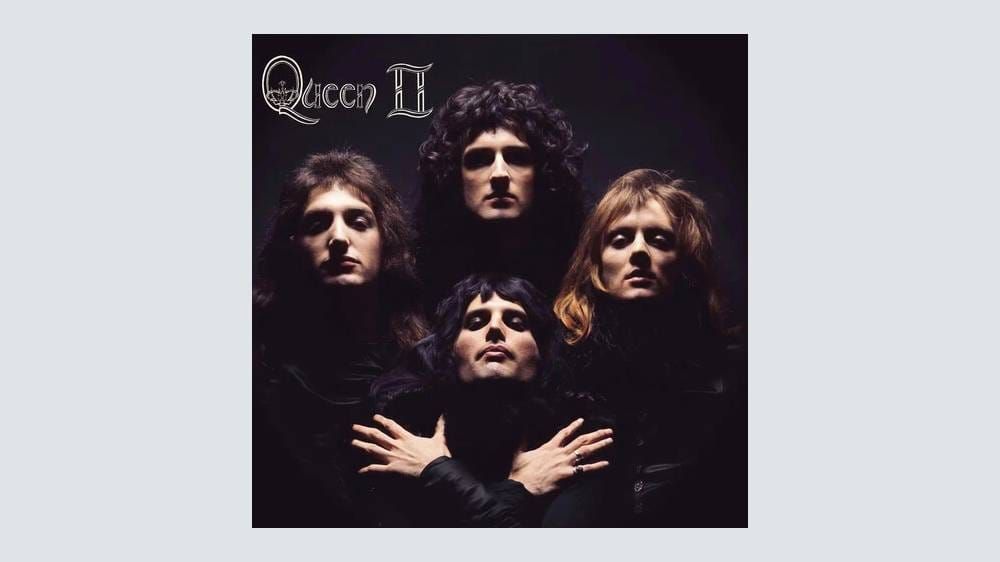
Queen II arrived in 1974 as the album where the band stopped compromising and started sounding like Queen. "'Queen II' was the single biggest leap we ever made," guitarist Brian May told Variety. "That's when we really started making music the way we wanted to." Where the debut suffered from muddy production and stiff performances, the second album delivered the operatic excess and studio precision that would define the band's sound for the next two decades. Now, 52 years later, it's getting the deluxe boxed set treatment — complete with remastered tracks, alternate takes, and the kind of archival deep dive that turns albums into artifacts.
The reissue is gorgeous, meticulous, and entirely predictable. Not because Queen II doesn't deserve it — the album is nearly flawless — but because legacy acts have figured out that catalog reissues generate more reliable revenue than new material ever will. The math is simple: recording a new album costs money, requires promotion, and competes in a market where even established artists struggle to break through. Reissuing a classic album costs comparatively little, comes with built-in demand, and appeals to both nostalgic fans and younger audiences discovering the work for the first time. The deluxe treatment turns the catalog into a renewable resource.
This isn't unique to Queen. Every major legacy act now operates with the understanding that their most valuable asset isn't what they might create next — it's what they've already made. The Beatles' Get Back sessions became a documentary, a boxed set, and a streaming event. Fleetwood Mac has reissued Rumours in at least four different deluxe editions. Even contemporary artists are catching on: Taylor Swift's re-recordings proved that owning your catalog isn't just about control — it's about being able to repackage it indefinitely. Country stars are building literary legacies beyond Nashville, but the music industry's real prestige move is the multi-disc boxed set with liner notes longer than the album runtime.
The shift has changed how legacy acts allocate resources. Tour schedules now prioritize anniversary performances of classic albums over promoting new work. Studio time gets spent on vault excavations instead of new compositions. The incentive structure is clear: fans will pay premium prices for deluxe reissues of albums they already own, but new material from a 50-year-old band faces skepticism from both critics and casual listeners. The result is an industry where heritage becomes more profitable than innovation, and the past is constantly being remastered while the present struggles to justify its existence.
Queen II's reissue also highlights how the definition of "deluxe" has expanded. It's no longer just a remastered version with a few bonus tracks — it's a full archival project with alternate mixes, studio outtakes, and extensive liner notes that frame the album as a historical document. The packaging itself becomes part of the value proposition: heavyweight vinyl, embossed covers, reproductions of original tour posters. The album stops being just music and becomes a collectible object, something that justifies its price point not through sound quality alone but through the tangible experience of ownership. In a streaming economy where music is functionally free, the deluxe reissue is one of the few products that still commands premium pricing.
This model works because it satisfies multiple audiences simultaneously. Hardcore fans get the archival material they've been seeking for decades. Casual listeners get a definitive version that improves on the original mix. Younger audiences discovering Queen through the Bohemian Rhapsody film get an entry point that feels authoritative. And the estate or label gets a product that can be marketed across generations without the risk of alienating anyone. It's a business strategy disguised as cultural preservation, and it works because the cultural preservation is genuine — even if the business motivation came first.
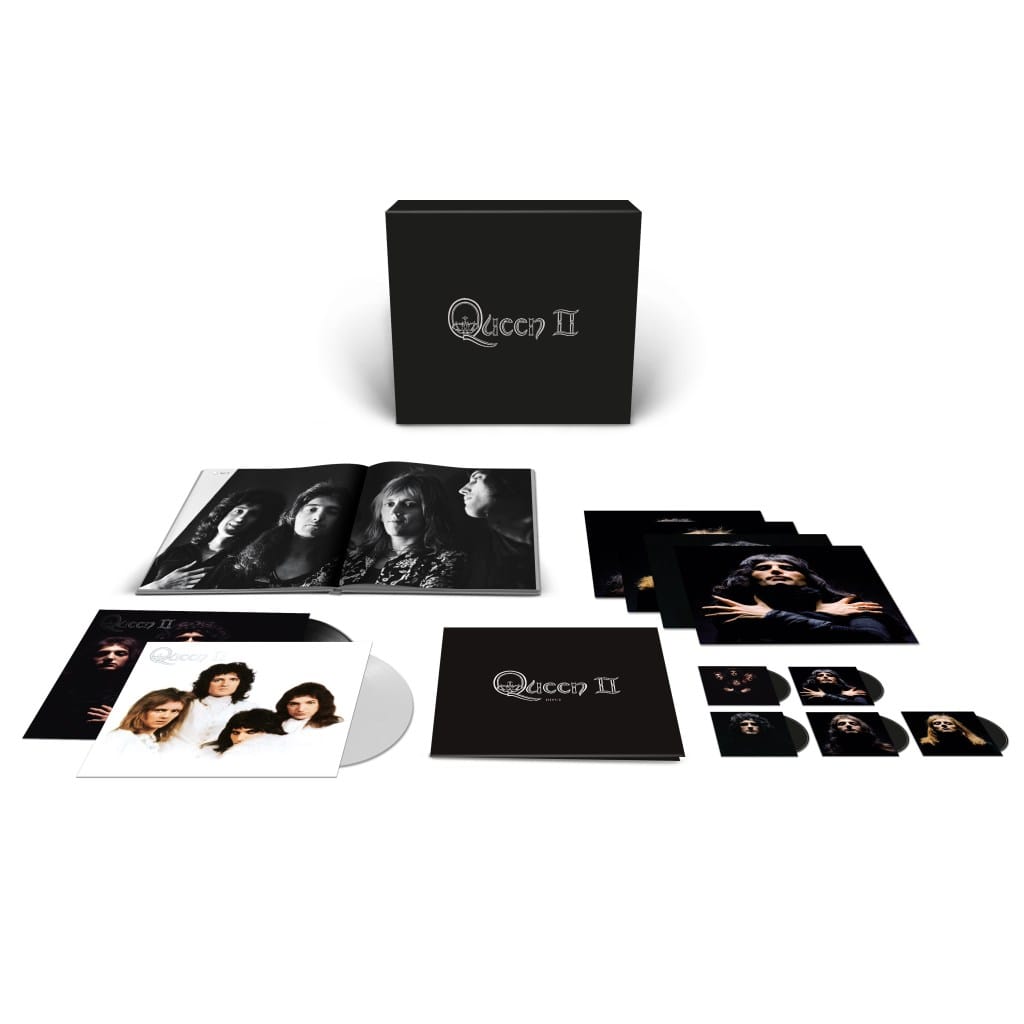
The Queen II reissue also arrives at a moment when physical media is experiencing a resurgence among collectors, even as streaming platforms dominate casual consumption. Vinyl sales have been climbing for over a decade, driven largely by reissues and heritage releases rather than new music. The deluxe boxed set occupies a specific niche: it's too expensive and too elaborate for impulse purchases, but it offers enough value to justify the cost for dedicated fans. It's not competing with Spotify — it's competing with other luxury purchases, positioned as an investment in cultural capital rather than just another album.
What makes the Queen II reissue particularly telling is that it's an album that didn't need fixing. Unlike the muddy first album, Queen II already sounded great. The remaster improves clarity and dynamics, but the original mix was never the problem. The deluxe treatment isn't about correcting flaws — it's about creating a new product from existing material. The alternate takes and studio outtakes are interesting for completists, but they don't fundamentally change the listening experience. The value is in the curation, the presentation, and the sense that you're getting the definitive version of something that already felt complete. It's heritage revenue in its purest form: taking what already worked and repackaging it as something newly essential.
The strategy will continue because it's sustainable in ways that new music production isn't. As long as there are classic albums in the vault, there's material to reissue. As long as there are fans willing to pay premium prices for deluxe editions, there's a market to serve. And as long as legacy acts prioritize catalog over new work, the industry will keep treating the past as its most valuable asset. Queen II's deluxe reissue is a celebration of a great album — and a reminder that in the music business, the vault is now worth more than the studio.