It is 11:40 on a Tuesday night and you are scrolling when the screen splits in two. On the left, a woman in a fully dressed diner set takes fake orders from her chat. On the right, a man with a bass guitar plays a funk line for a hundred thousand people. A countdown appears. Roses pour up the screen like confetti in reverse, and the numbers under each face start to climb. Somebody in the comments types LET'S GO like their team is down three in the fourth quarter.
You have wandered into a battle, and you are watching one of the largest entertainment economies in the country operate in plain sight.
Here is the machinery under it. On TikTok LIVE, viewers buy coins and spend them on animated gifts, roses being the penny candy of the format, and creators convert those gifts back into money. A battle is a timed, head-to-head stream in which two creators rally their audiences, and the gifts are the score. It looks chaotic until you learn the rules.
The scale is the part almost nobody outside the format understands. A study conducted by Ipsos for TikTok found that more than 60,000 American creators now earn above the median part-time monthly income from LIVE gifting alone, and most TikTok users have sent a gift at least once. Sixty thousand people earning real money at the same craft is a workforce, and this one clocks in every night.
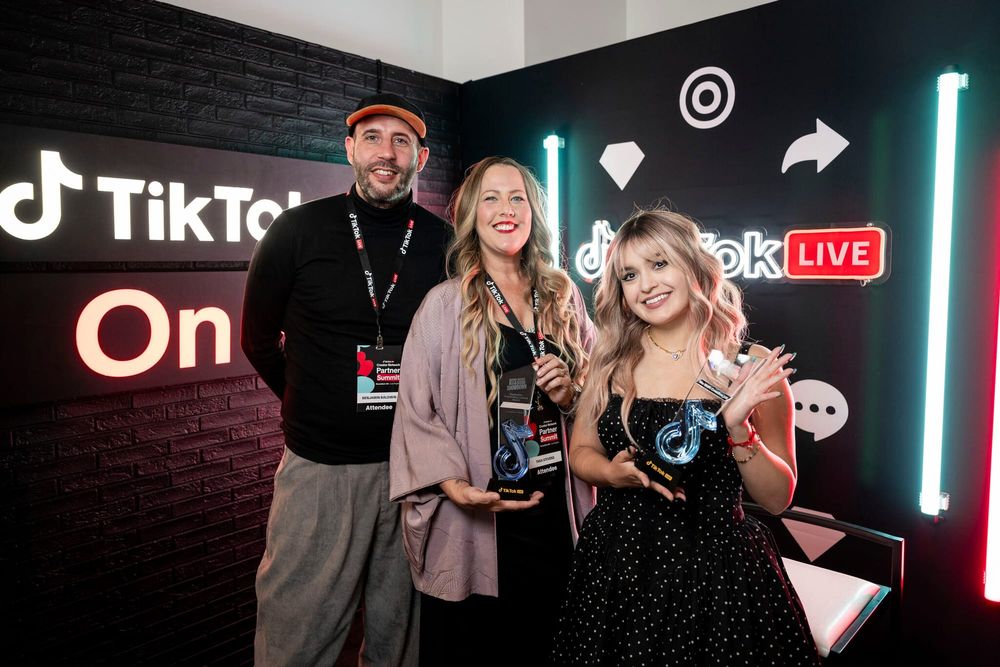
Every year the format gets its championship. LIVE Fest is TikTok's competitive season, in which creators qualify through months of streaming and the platform crowns its best. Picture awards season, if awards season required performing live for hours a day while the academy voted in real time with flowers.
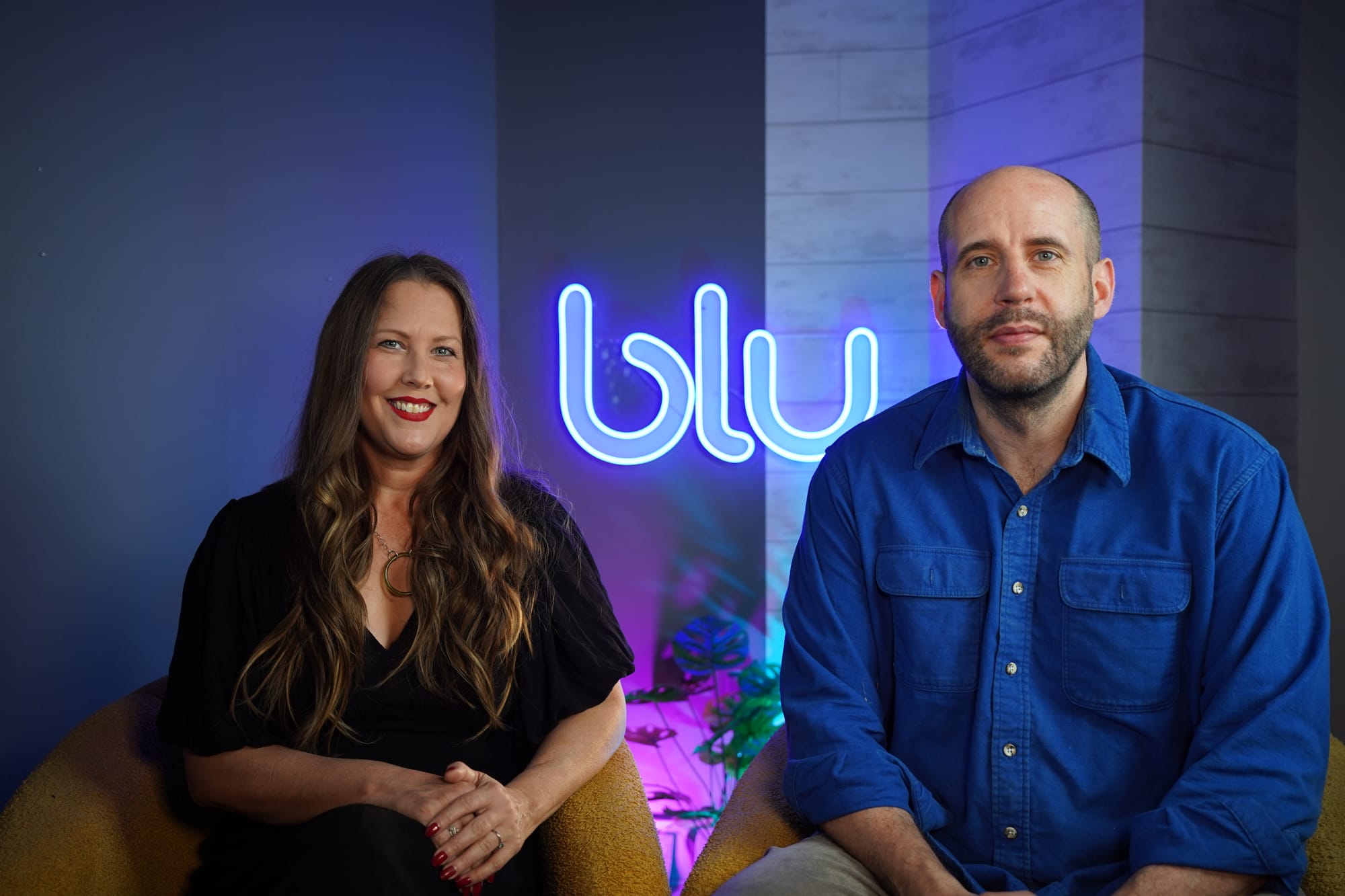
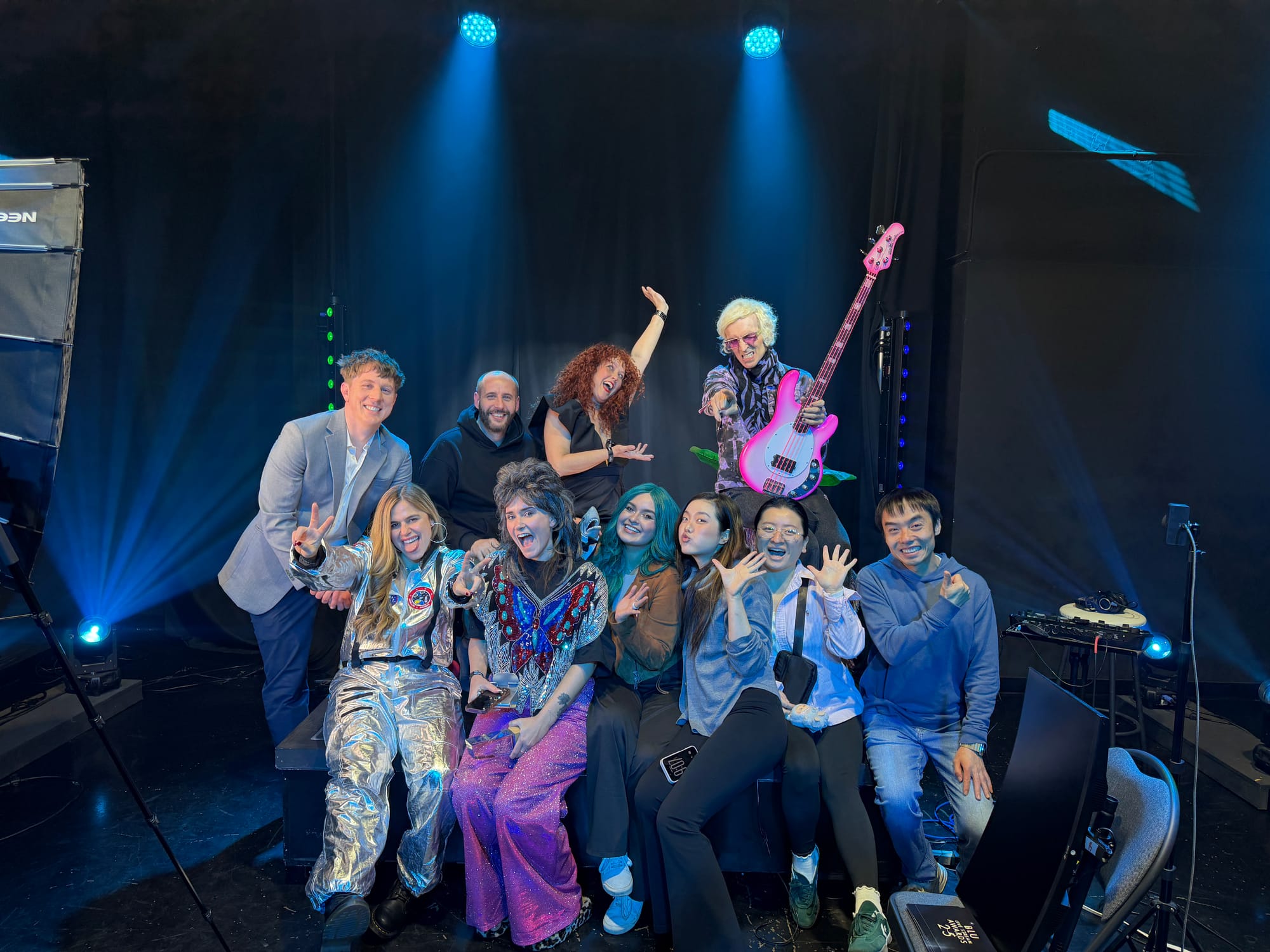
If LIVE streaming has a coaching staff, it works out of blu shift creative. Ben Baldwin grew up in England cutting comedy skits between two VHS decks. Tara Stevens grew up in Virginia making her family sit through tapes she shot on a borrowed camcorder. They found each other decades later inside a brand-new medium, going live on Instagram in 2019 when live video was still a curiosity, and in 2022 they founded blu shift creative on a conviction the industry has spent four years catching up to: the people on these screens are performers, and performers deserve an institution.
The record since reads like a dynasty run. An official TikTok LIVE partner from the agency's first year. More LIVE Fest qualifiers than any other agency in the format, The top agency trophy at TikTok LIVE Fest US in 2025. Features on TikTok's own channels, panel seats at the platform's summits, and a weekly podcast, The Guide to LIVE, that working streamers treat as the trade school of the business.
Ask Baldwin what people get wrong about all of it and he goes straight at the biggest assumption in the room.
"Live streaming is a craft, like acting or news reading or ballet," he says. "There is this idea that being authentic means you turn the camera on and wing it. Nobody says an actor is inauthentic for training. If your goal is to give the people watching you a good time, getting better at it is the most authentic thing you can do."
Stevens built the community side of the agency, and she teaches something she calls setting a spark. It inverts the way most people imagine the job.
"A lot of people come in thinking about what the audience gives them," she says. "We flip it. What are you going to ignite in the person watching you tonight? Somebody comes home from a job they hate, and they can put on the TV or they can come into your room. What are you doing for them? Set that intention first and everything else follows."
The economics follow it too, and they are stranger and fairer than the entertainment business usually manages. When a viewer sends a gift, the support travels from the viewer to the artist with the platform as the only stop along the way. No label, no promoter, no distributor, no reading the contract to learn who else gets paid.
"Spend $50 on a concert ticket and the artist might ultimately profit only around $5 of it after the fees, venues, advertising and cost of actually putting on the show and touring," Baldwin says. "In live, someone who loves what you do supports you directly, in the moment you are doing it. That changes who gets to make a living as a performer."
There is a fair question inside all of this, and the professionals would rather you ask it than dance around it. Stories circulate about viewers who spend more than they should on people they have never met.
"Any format where money moves carries that risk, and we talk about it directly," Baldwin says. "We train streamers to build rooms people can afford to stay in. A viewer who sends a rose because you made their night is a fan, the same as someone buying a ticket. The trade has to stay fair, entertainment worth supporting, night after night. A professional pays attention to their room, and cares about it."
The job itself looks less like influencing and more like shift work. The streamers who last keep schedules, plan their shows, know their audience, and treat the stream like a stage with the lights on. "If you want to be taken seriously, you need to be serious about it," Stevens says.
Baldwin, who spent 15 years in the music industry before this one, thinks the format is about to matter far beyond one app. As generated content fills every feed, the one thing that cannot be faked is a person, live, responding to you by name.
"More and more of what we watch is going to be made by machines," he says. "What is left is humans providing real experiences to each other. A great streamer is like a great bartender. You know the difference the second you sit down. We think that service is the future of entertainment, and we are training people for it."
So this season, when your screen splits in two and the roses start climbing, you will know what you are looking at. Two professionals, mid-shift, each trying to give a room full of strangers a better night than the algorithm ever could. Pick a side. The flowers are how you clap.