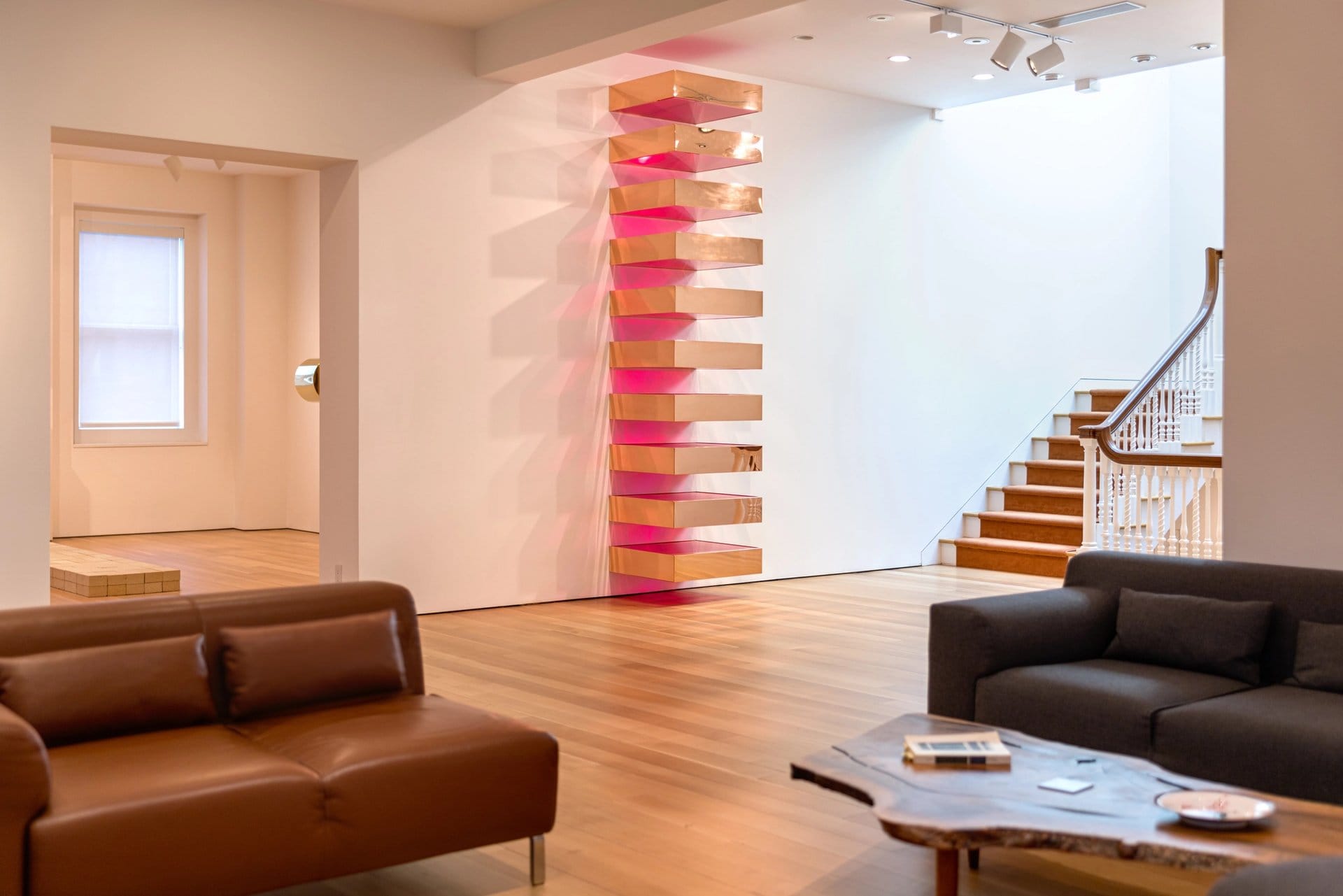
Henry S. McNeil Jr.'s collection of Minimalist art, anchored by a major Donald Judd "stack" sculpture, is expected to exceed $30 million when it hits Christie's New York this spring. The timing is deliberate — and precarious. McNeil built his collection during the decades when Minimalism was institutional gospel, when a Judd stack in your living room meant you understood what serious collecting looked like. Now that same work goes to auction in a market that has spent the last three years pivoting hard toward emerging artists, social practice, and anything that photographs well on Instagram.
The McNeil sale is a test case for whether institutional-quality work — the kind museums covet but can't afford — still commands the premiums it did before collectors started chasing the next generation. Minimalism, particularly the canonical names like Judd, Agnes Martin, and Dan Flavin, has long been the art market's equivalent of blue-chip stocks: reliable, prestigious, and expensive. But blue-chip reliability only matters if the market still values stability over speculation. Right now, it doesn't.
The auction houses have noticed. Christie's and Sotheby's have both ramped up their contemporary and emerging artist sales over the past two years, responding to a collector base that increasingly treats art acquisition like venture capital — high risk, high reward, and deeply sensitive to cultural momentum. A Judd stack doesn't generate that kind of excitement. It generates respect, which is a harder sell when the market runs on hype cycles and regional fair consolidation has made even mid-tier collectors more cautious about where they park their money.
McNeil's collection represents a specific kind of connoisseurship that feels increasingly out of step with how the market operates now. These are museum-quality pieces assembled over decades, the kind of patient, intellectually rigorous collecting that requires both deep pockets and deeper knowledge. But the current market doesn't reward patience. It rewards speed, cultural fluency, and the ability to identify the next artist before their prices triple. The McNeil sale will show whether there's still a premium for the former — or whether even the bluest of blue-chip work has to compete on the same terms as everything else.
The Judd stack is the anchor lot, and its performance will set the tone for the rest of the sale. Judd's work has historically been auction-stable, with major pieces reliably clearing estimates and occasionally setting records. But stability isn't the same as growth, and growth is what drives competitive bidding. If the stack underperforms, it won't be because the work isn't important — it will be because the market has decided importance isn't enough anymore.
This shift has consequences beyond individual auction results. Institutional-quality Minimalism is what major museums rely on to anchor their permanent collections. If private collectors stop paying premium prices for it, museums lose their best source of future donations and bequests. The McNeil collection is exactly the kind of holdings that would eventually end up in a museum — either through donation or deaccessioning after a collector's death. But if the market stops valuing this work at the levels it once did, museums will find themselves competing for acquisitions they can't afford, while collectors chase artists whose work may not age as well but moves faster right now.
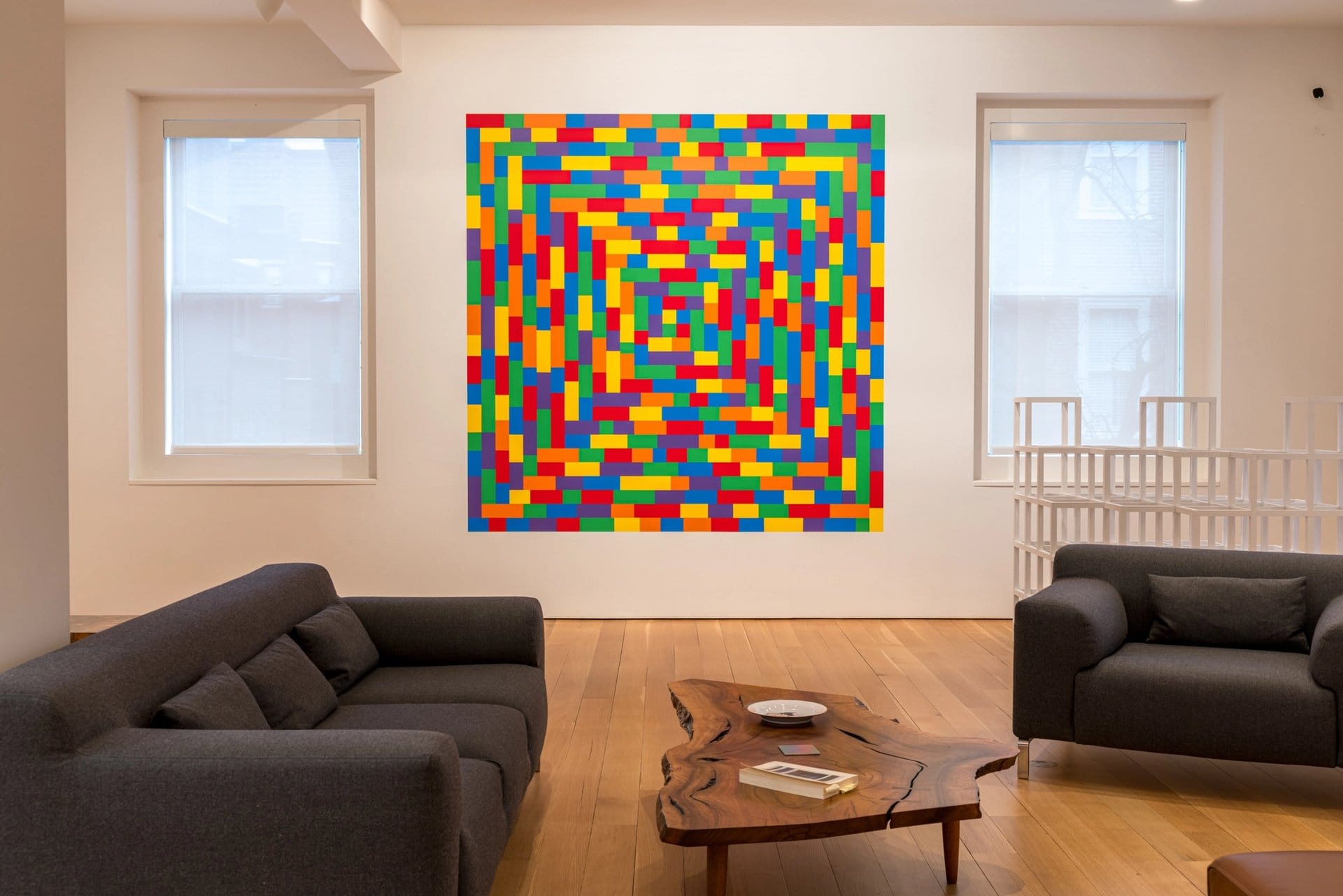
The auction also highlights a broader tension in how the art market assigns value. Minimalism was built on ideas about materiality, presence, and the viewer's experience of space. Those are hard qualities to translate into the kind of visual spectacle that drives social media engagement and gallery marketing strategies in 2026. A Judd stack doesn't photograph like a Yayoi Kusama infinity room. It doesn't generate the kind of shareable moments that younger collectors use to signal their taste. It just sits there, demanding that you look at it in person and think about what you're seeing. That's a tough sell when the market increasingly treats art as content.
The McNeil sale will clarify whether there's still a tier of collectors willing to pay institutional prices for institutional-quality work — or whether even the most canonical names in postwar art now have to prove their relevance in a market that measures value in cultural momentum rather than historical importance. Christie's is betting there is. The estimate suggests confidence. But the market has surprised everyone before, and it's entirely possible that $30 million in Minimalist blue chips will struggle to find buyers willing to pay what museums wish they could.