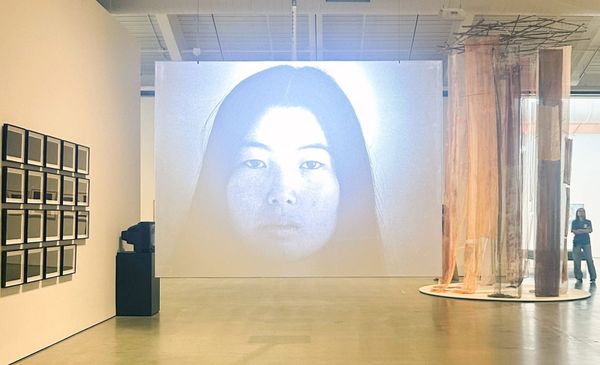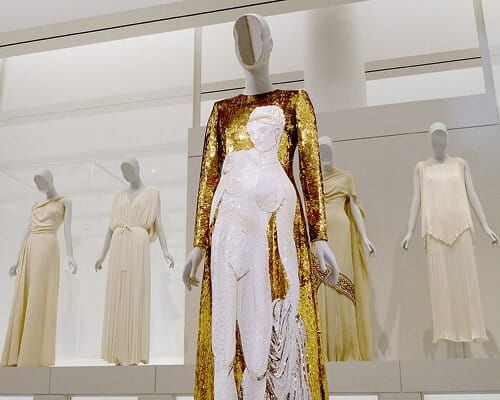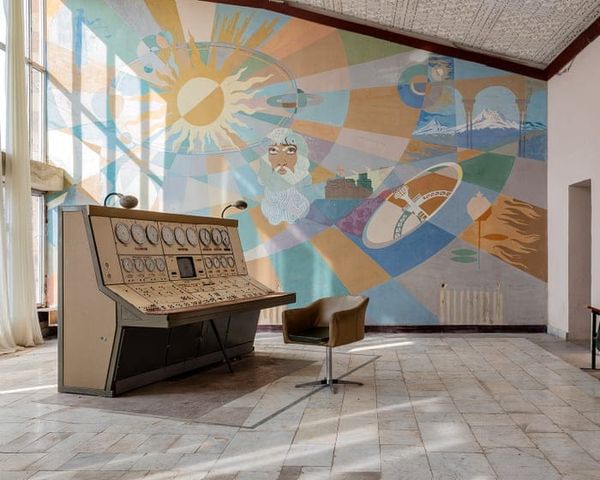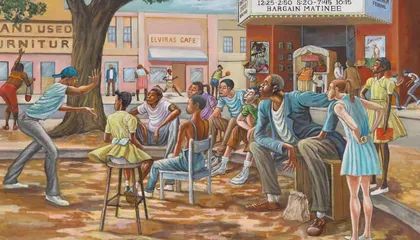
The Lucas Museum of Narrative Art opens in Los Angeles this fall with a curatorial premise that sounds obvious until you realize how radical it is: organize art by the stories it tells, not the century it was painted in or the medium it uses. According to Smithsonian Magazine, the museum's collection will be curated around dozens of narrative themes—adventure, comics, childhood, love, everyday life—rather than the traditional art-historical taxonomy of movements, periods, and styles.
It's the most George Lucas approach to building an art museum imaginable. The filmmaker who structured Star Wars around Joseph Campbell's hero's journey and built an empire on narrative archetypes is applying the same framework to how visitors should encounter visual art. Instead of walking through rooms organized by Impressionism, Realism, or Modernism, you'll move through thematic clusters: stories of conflict, stories of family, stories of transformation. A Norman Rockwell painting might hang next to a contemporary graphic novel panel if both depict childhood nostalgia. An 18th-century maritime scene could share a wall with concept art from Pirates of the Caribbean if both traffic in adventure.

This isn't just Lucas being contrarian. It's a genuine philosophical bet about how people actually engage with images. Most museum visitors don't care whether a painting is Baroque or Neoclassical—they care whether it moves them, whether they recognize something in it, whether it tells them a story they want to hear. The traditional art museum asks you to appreciate technique, historical context, and formal innovation. Lucas's museum asks: what is this picture about? Who is in it? What happens next?
The approach has precedent in how film archives and animation museums organize their collections—by genre, by narrative function, by emotional register—but applying it to fine art is a different gamble. The art world has spent centuries building credibility around formalist analysis, connoisseurship, and historical periodization. Narrative, in that framework, is suspect—too literary, too accessible, too close to illustration. Museums have historically struggled to defend storytelling as a curatorial principle, preferring to lean on medium, movement, or maker as organizing logic.
But Lucas isn't trying to win the art world's approval. He's building a museum for people who don't already speak the language of art history—and he's betting that narrative literacy is the more universal entry point. If you can follow a story, you can engage with this collection. If you understand dramatic structure, you can see how a Renaissance altarpiece and a Marvel storyboard are doing the same work in different centuries.
The risk is that narrative-based curation flattens historical specificity. A 17th-century Dutch genre painting and a 21st-century photorealist canvas might both depict "everyday life," but they were made under wildly different economic, technological, and ideological conditions. Grouping them thematically risks erasing the context that makes each one legible on its own terms. Documentary photography, for example, gains power from its historical anchoring—strip that away, and you're left with aestheticized imagery divorced from the systems that produced it.
But there's also a case that the traditional museum model has become so insular that it actively alienates the audiences it claims to serve. Walk through any major art museum on a weekday afternoon and watch how visitors move: they linger at the paintings that tell legible stories—portraiture, genre scenes, narrative history paintings—and glaze over at the abstract canvases and conceptual installations that require prior knowledge to decode. The art world calls this a failure of education. Lucas calls it a failure of curation.
The Lucas Museum's approach also reframes what counts as "narrative art" in the first place. The collection reportedly includes Norman Rockwell, N.C. Wyeth, Maxfield Parrish—illustrators the fine art world spent decades dismissing as commercial hackwork. It includes comic book art, animation cels, and film storyboards—forms that museums have only recently begun treating as collectible. And it includes contemporary painters and digital artists whose work traffics in storytelling but hasn't yet been canonized by the institutional art world.
This is the same argument playing out in debates over digital illustration and hand-painted commercial art: what makes something "fine art" versus "applied art," and who gets to decide? Lucas's answer is simple: if it tells a story well, it belongs in the collection. If it moves people, it deserves wall space. Technique matters, but narrative function matters more.
The museum's Los Angeles location is strategic. LA is a city built on narrative industries—film, television, gaming, advertising—and a population fluent in visual storytelling in ways that feel native rather than learned. The art market has been chasing LA's cultural momentum for years, but most galleries and fairs still operate within the traditional fine art framework. Lucas is building infrastructure for a different kind of engagement: one where comic book readers, film buffs, and video game players can walk into a museum and feel like the collection was curated for them, not in spite of them.
Whether this model proves durable depends on execution. Thematic curation can feel gimmicky if the connections are forced or if the wall text becomes overly didactic. The best narrative museums—the Museum of the Moving Image, the International Spy Museum, the National WWII Museum—work because they trust visitors to draw connections without over-explaining. If the Lucas Museum can achieve that balance—if it can present a 19th-century seascape and a Pixar storyboard side by side and let the visual conversation happen without heavy-handed curatorial intervention—it could rewrite the rules for how art institutions think about accessibility.
And if it doesn't work, it will at least be the most expensive argument anyone has ever made about the primacy of storytelling in visual culture. George Lucas spent decades proving that narrative structure can turn genre pulp into mythic cinema. Now he's testing whether the same logic applies to how we organize, display, and experience two thousand years of image-making. The art world will call it populist. Lucas will call it honest. The visitors will decide who's right.