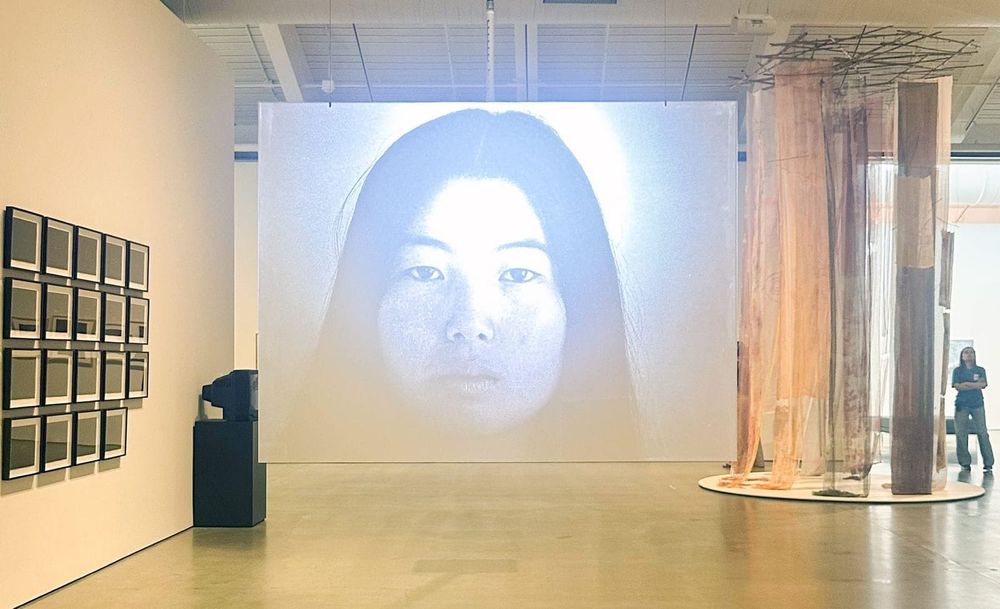
Theresa Hak Kyung Cha died in 1982 at 31, murdered in New York just days after her groundbreaking book Dictee was published. For decades afterward, learning about her work felt like receiving a secret—passed between Asian American artists, poets, and scholars who recognized something institutions hadn't yet named. According to Hyperallergic, a new exhibition at the Berkeley Art Museum and Pacific Film Archive finally brings that underground circulation into institutional light. But the show's arrival raises a question the art world keeps avoiding: What does it mean when museums validate work that marginalized communities have been championing for generations?
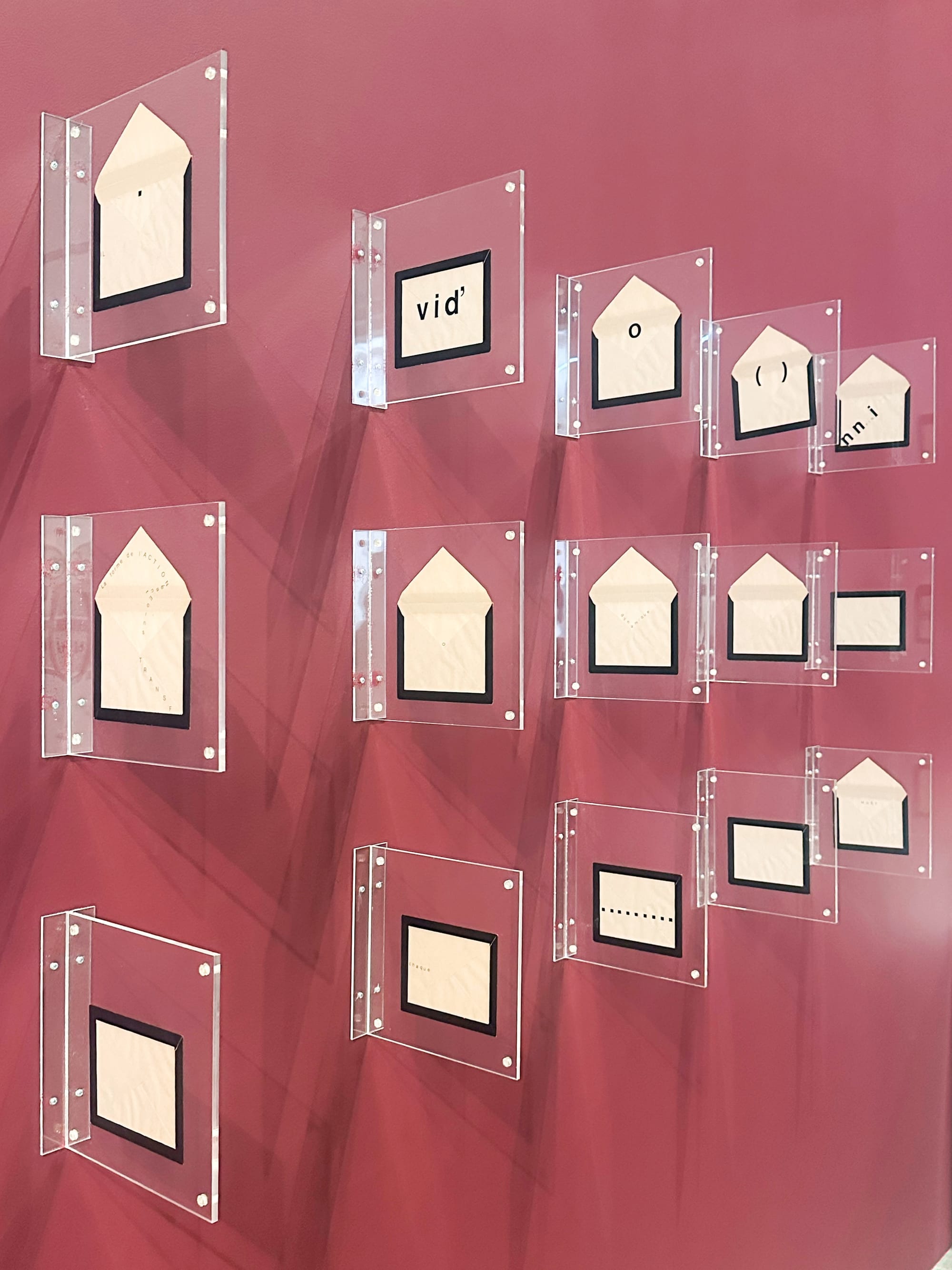
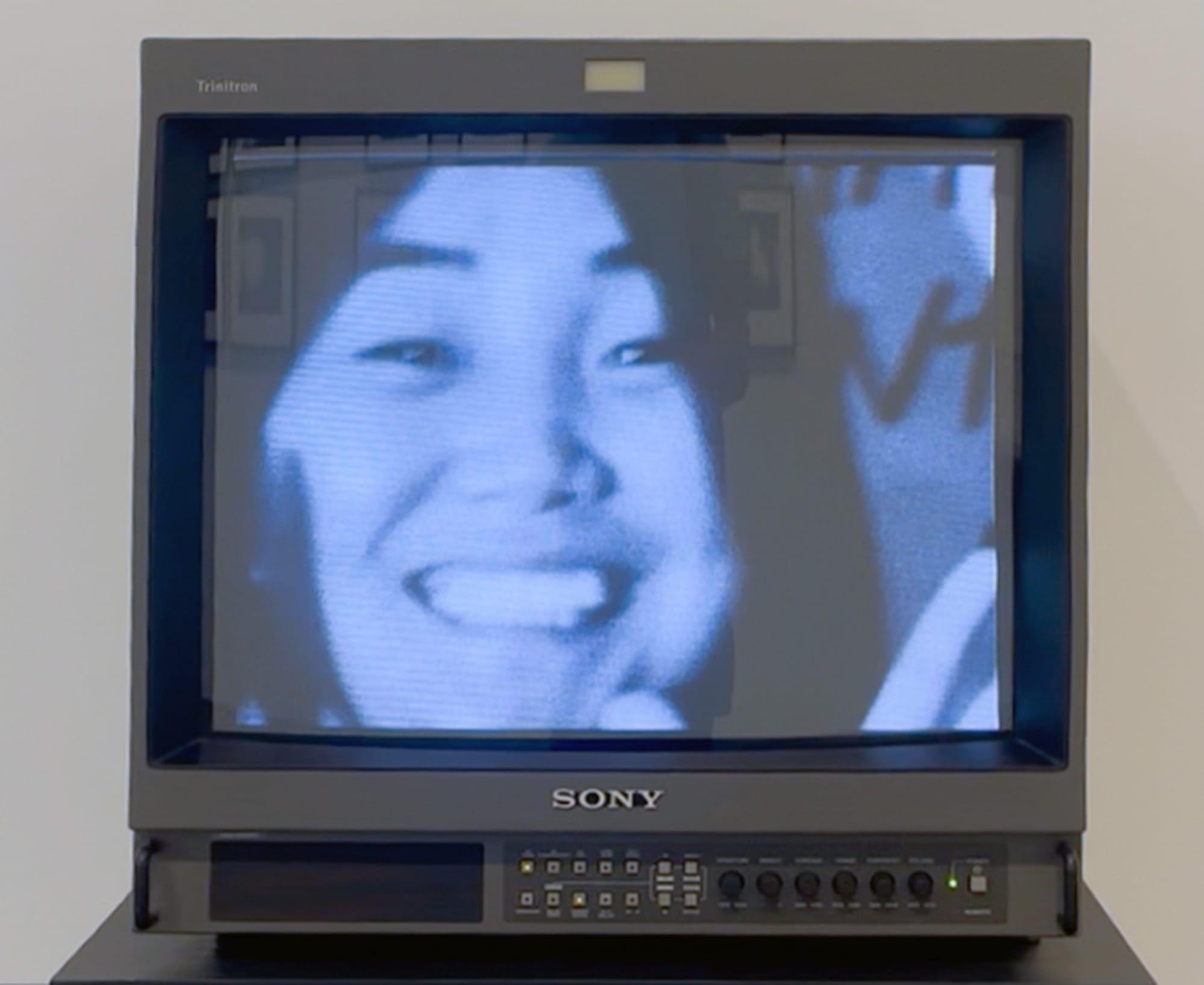
Cha's practice spanned video, performance, text, and installation—hybrid forms that resisted easy categorization. Dictee, her most influential work, weaves autobiography, history, and theory into a fragmented meditation on language, memory, and displacement. It became foundational for Asian American literature and experimental writing, circulating through university syllabi, artist studios, and poetry circles long before major museums acknowledged her contribution. The Berkeley exhibition includes rarely seen films, performances documented on video, and archival materials that show the breadth of her interdisciplinary practice.
The timing matters. Asian American artists have spent decades building their own infrastructure—galleries, collectives, publications, academic programs—because mainstream institutions either ignored their work or flattened it into tokenized diversity gestures. Cha's influence didn't need a museum retrospective to exist. Artists like Trinh T. Minh-ha, Theresa Hak Kyung Cha, and younger practitioners working with language and identity already knew her significance. The exhibition doesn't create Cha's legacy. It documents a canon that formed outside institutional approval.
This pattern repeats across cultural production. Queer artists built their own networks before museums added LGBTQ+ programming. Black photographers documented their communities for generations before galleries recognized protest photography as fine art. Indigenous makers maintained craft traditions while the art world debated whether their work qualified as contemporary. In each case, marginalized communities didn't wait for permission. They built the infrastructure themselves—then institutions arrived later, claiming discovery.
The Berkeley show treats Cha as a complete artist rather than a tragic figure or a representative of Asian American identity. The exhibition design emphasizes her formal experimentation and intellectual rigor. Video works play on loop in darkened galleries. Text pieces occupy their own wall space rather than being relegated to didactic panels. The curatorial approach mirrors how artists have always engaged with Cha's work—as serious, challenging, and generative rather than as historical artifact or identity placeholder.
But institutional validation creates its own problems. Once a museum retrospective happens, the artist's work enters a different economy. Prices rise. Academic conferences multiply. The underground circulation that sustained Cha's influence for decades gets replaced by the art market's machinery. Galleries that never showed her work suddenly have pieces available. Collectors who ignored experimental Asian American art now want in. The recognition is real, but so is the extraction.
The exhibition also highlights what gets lost when institutions wait this long. Cha never saw her work receive major institutional recognition. The artists and scholars who kept her legacy alive worked without funding, without institutional support, without the credibility a museum stamp provides. Their labor built the foundation this retrospective stands on, but that groundwork rarely gets credited in press releases or exhibition catalogs. The narrative becomes "museum discovers forgotten artist" rather than "museum finally acknowledges what a community has been saying for forty years."
What makes this moment different from previous waves of institutional catch-up is that Asian American artists now have enough infrastructure to call it out. Publications like Artforum and Hyperallergic run regular coverage. Galleries like White Cube sign artists from communities they once ignored. Museums hire curators who actually know the work rather than learning about it through Wikipedia. The Berkeley exhibition happens in a context where Asian American art is no longer a niche category—it's a established field with its own history, debates, and institutional presence. That's progress. But it also means institutions can no longer pretend they're making discoveries. They're catching up, and everyone knows it.
More from Tinsel Magazine