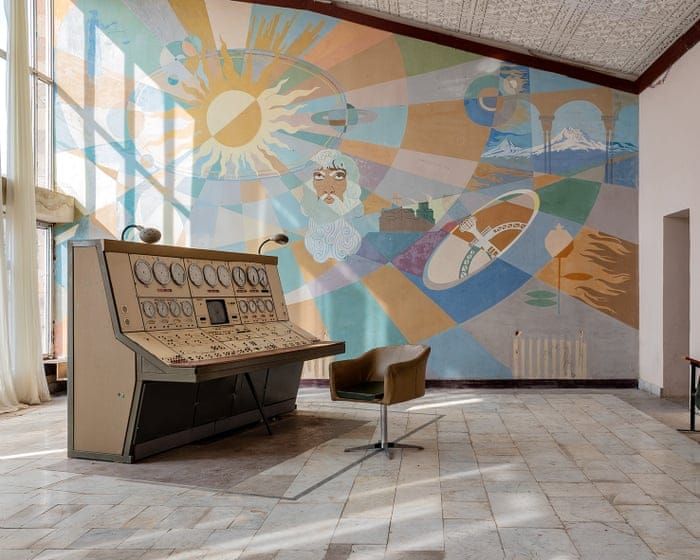
Soviet scientific institutes were built to project permanence. Concrete observatories, vast research complexes, and monumental laboratories rose across the USSR as physical manifestations of socialist technological ambition. Photographer Eric Lusito spent years documenting what remains of that infrastructure—buildings that have outlasted the empire that commissioned them.
His new book, as first featured in The Guardian, compiles images of these structures: observatories in remote mountain ranges, particle accelerators in industrial cities, research stations that once housed the Soviet Union's most ambitious scientific projects. The architecture is striking not for its decay, but for its scale and sincerity. These weren't utilitarian buildings. They were designed to communicate that socialism had conquered nature, that the future was a concrete thing that could be engineered and photographed.
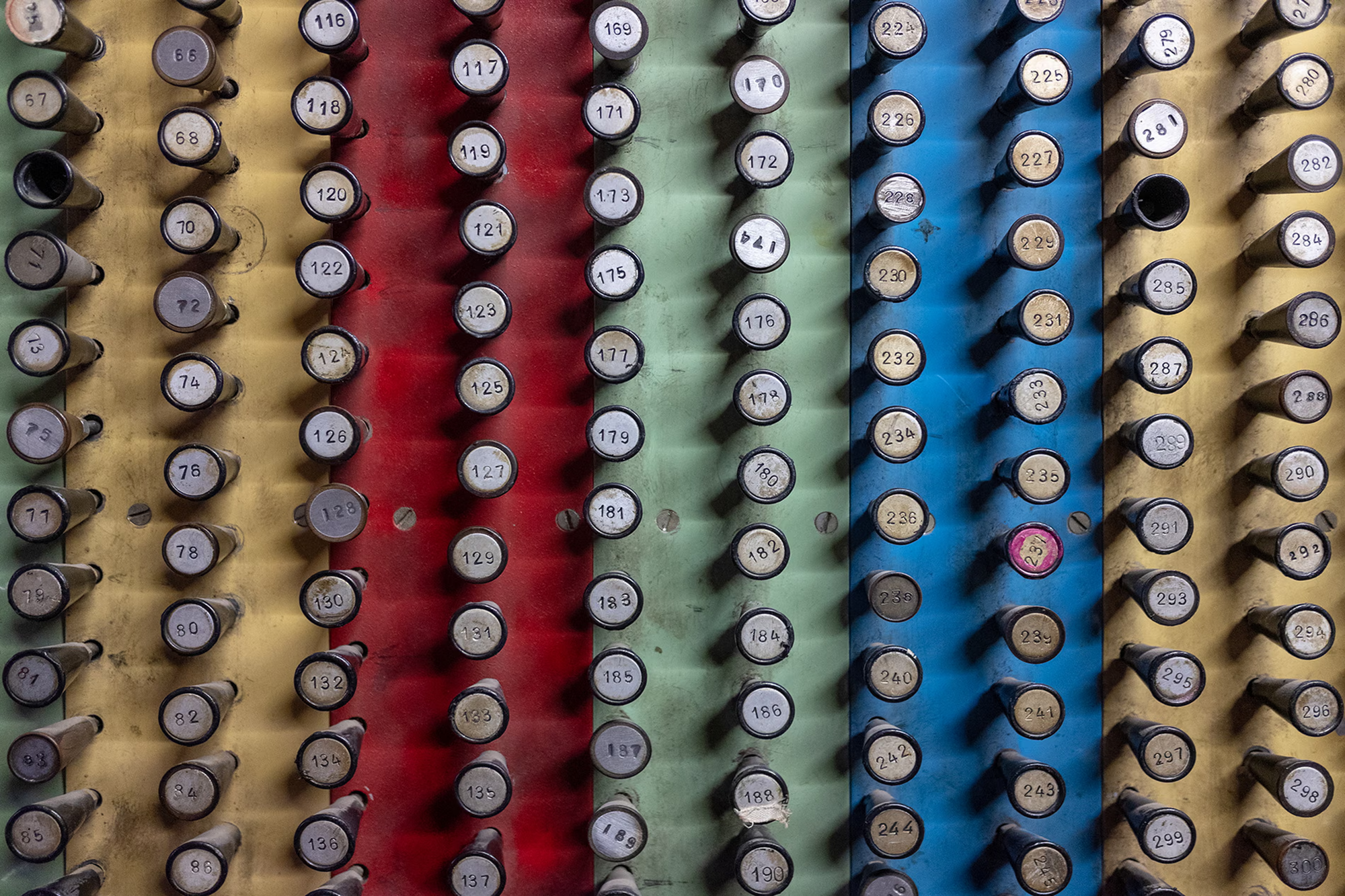
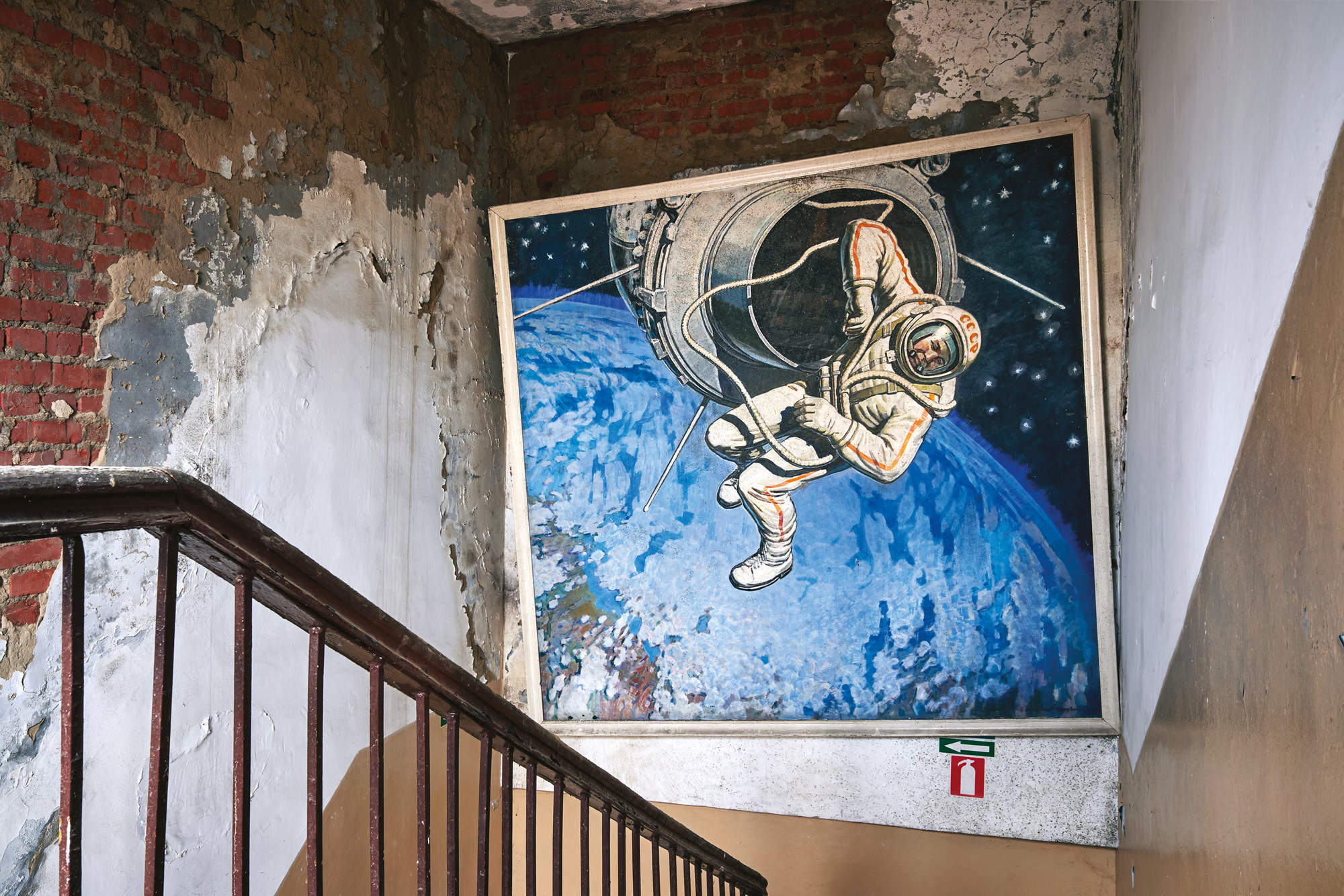
What makes Lusito's work compelling is the tension between the buildings' original purpose and their current state. Many are still operational. Some house functioning research institutions. Others sit empty, their equipment removed, their funding dried up decades ago. The photographs don't romanticize ruin—they document infrastructure that was built to last longer than the political system that created it, and in many cases, succeeded.
Soviet science photography has become its own genre, often leaning into Cold War nostalgia or post-collapse melancholy. Lusito's approach is more clinical. The images are composed with precision, emphasizing geometry and light rather than abandonment. The buildings are framed as architectural objects, not as symbols of political failure. That restraint gives the work more weight. The structures speak for themselves: massive, strange, and built with a confidence that feels alien to contemporary infrastructure projects.
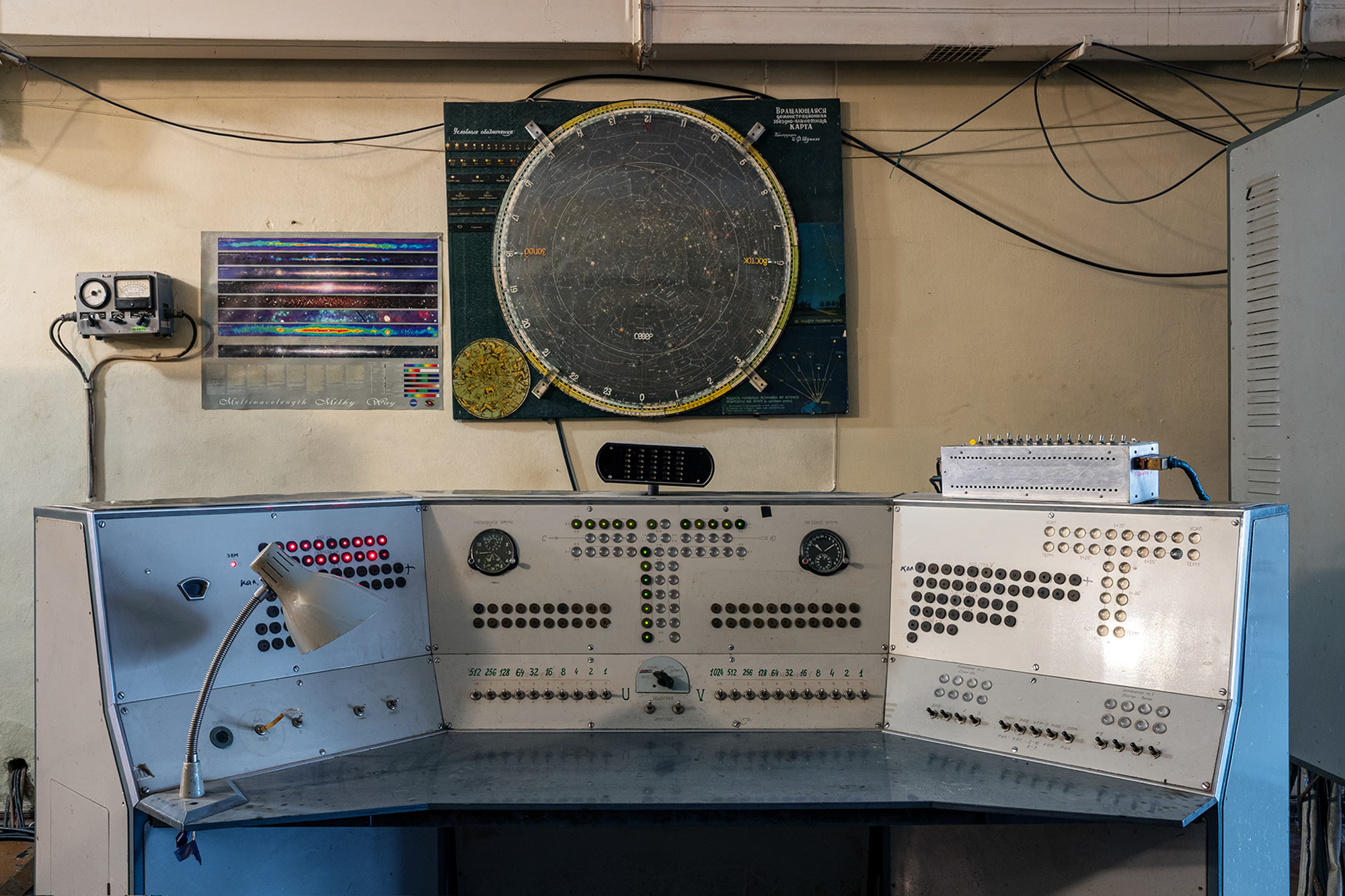
The book arrives at a moment when institutional architecture is once again a contested space. Trump's Presidential Library turned ego into a design principle. The National Gallery's Kengo Kuma renovation signals that even legacy institutions are rethinking what their buildings should communicate. Lusito's Soviet institutes offer a counterpoint: buildings designed to embody a collective vision of progress, now stripped of that context but still standing.
The aesthetic appeal of Soviet scientific architecture has been well-documented. What Lusito's work adds is specificity. These aren't generic Brutalist monuments—they're particle colliders, radio telescopes, and research stations built for purposes that required monumental scale. The architecture was functional first, symbolic second. That's what makes the photographs so unsettling. The buildings were designed to solve specific scientific problems, and many of them still do, even as the ideology that funded them has been dead for three decades.
Photography of Soviet infrastructure often leans into the visual language of ruin porn—dramatic angles, high contrast, an emphasis on abandonment. Lusito avoids that. His compositions are straightforward, almost documentary. The buildings are photographed in daylight, without atmospheric manipulation. The result is less emotionally immediate but more analytically useful. These are images that ask you to think about what the structures were for, not just how they look.
The book also functions as a record of scientific ambition at a scale that no longer exists. The USSR poured resources into research infrastructure with a commitment that contemporary governments, even wealthy ones, rarely match. Whether that investment was efficient or ethical is a separate question. What Lusito's photographs make clear is that the scale was real. These buildings were not metaphors. They were tools, and some of them are still being used.
Soviet science institutes are scattered across former USSR territory, many in regions that are now politically unstable or difficult to access. Lusito's documentation is valuable not just aesthetically but as a preservation effort. Some of these structures won't be standing in another generation. Others will be repurposed or demolished. The book archives a moment when they still exist as they were intended: as monuments to the belief that science could be made visible through architecture.
The photographs don't offer a thesis about whether Soviet scientific ambition succeeded or failed. They document what was built, what remains, and what that infrastructure looks like now. That neutrality is the work's strength. The buildings are allowed to be what they are: massive, strange, and built with a certainty that feels increasingly distant from how institutions operate today.