The Violeta Parra Museum in Santiago reopened this week, four years after protesters set it on fire during Chile's 2020 social unrest. The institution dedicated to Chile's most famous folk artist, singer, and composer now operates with what The Art Newspaper describes as "enhanced security"—a phrase that does more work than it admits.
The museum's closure wasn't an accident of proximity. Protesters targeted it deliberately, along with other cultural institutions, during mass demonstrations against economic inequality and state violence. The Violeta Parra Museum became collateral damage in a broader fight about who gets to claim national heritage when the nation itself feels like a broken promise.
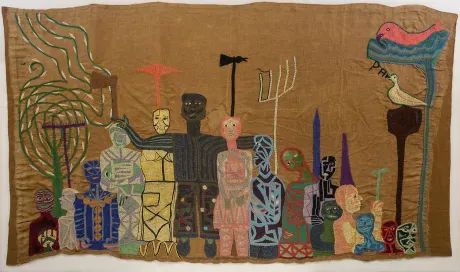
Reopening with "enhanced security" solves the immediate problem: protecting the collection from physical harm. It doesn't solve the harder one: why a museum celebrating an artist who spent her life documenting Chile's working-class culture became a target for the working class in the first place. Parra's work—her folk songs, her textile art, her commitment to preserving rural traditions—was explicitly political. The museum that bears her name was attacked because protesters saw it as part of the institutional infrastructure they no longer trusted.
This isn't unique to Chile. Museums worldwide are grappling with the gap between their stated values and their perceived complicity in systems of power. The difference is that most institutions face this reckoning through op-eds and deaccessioning debates. The Violeta Parra Museum faced it with fire. The question now is whether enhanced security can coexist with the kind of open access that made the museum meaningful in the first place—or whether the building's new defenses will read as a fortress against the community it claims to serve.
Other cultural institutions have navigated this tension by becoming more explicit about their role in social infrastructure. Chile's Chaco Art Fair, for instance, built its market strategy around accessibility and political engagement rather than treating them as obstacles to commercial success. The Parra Museum's challenge is similar but harder: it has to rebuild trust with a public that already burned it down once.
The reopening also raises questions about how institutions measure safety. Physical security—cameras, guards, reinforced doors—protects objects. It doesn't protect relationships. Museums that treat security as purely infrastructural miss the point. The real vulnerability isn't the building. It's the social contract that makes people care whether the building survives.
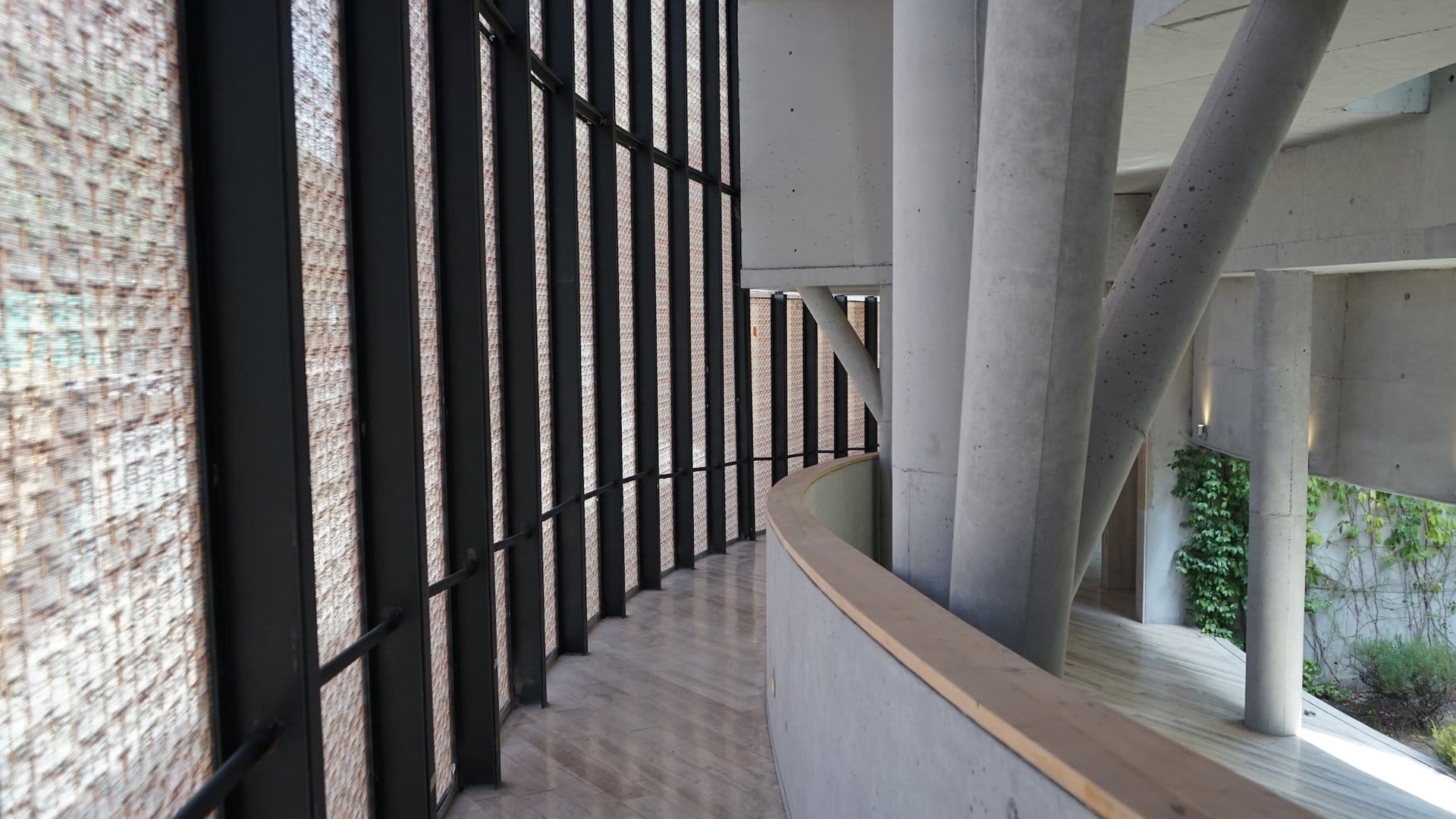
Chile's 2020 protests weren't about museums. They were about decades of accumulated inequality, privatized public goods, and a political class that stopped listening. The Violeta Parra Museum got caught in that fire because it was visible, accessible, and symbolic. Its reopening four years later is a bet that the conditions that made it a target have changed enough to make it safe again. Whether that bet pays off depends less on the security measures and more on whether the institution can articulate why it deserves to exist in a country still figuring out what it owes its citizens.
The museum's directors haven't publicly addressed the underlying tension. That's a missed opportunity. Institutions that survive moments like this usually do so by acknowledging what happened and why—not by treating the fire as an unfortunate interruption in normal operations. The Violeta Parra Museum could have reopened with a reckoning. Instead, it reopened with enhanced security. That might keep the collection safe. It won't rebuild the trust.
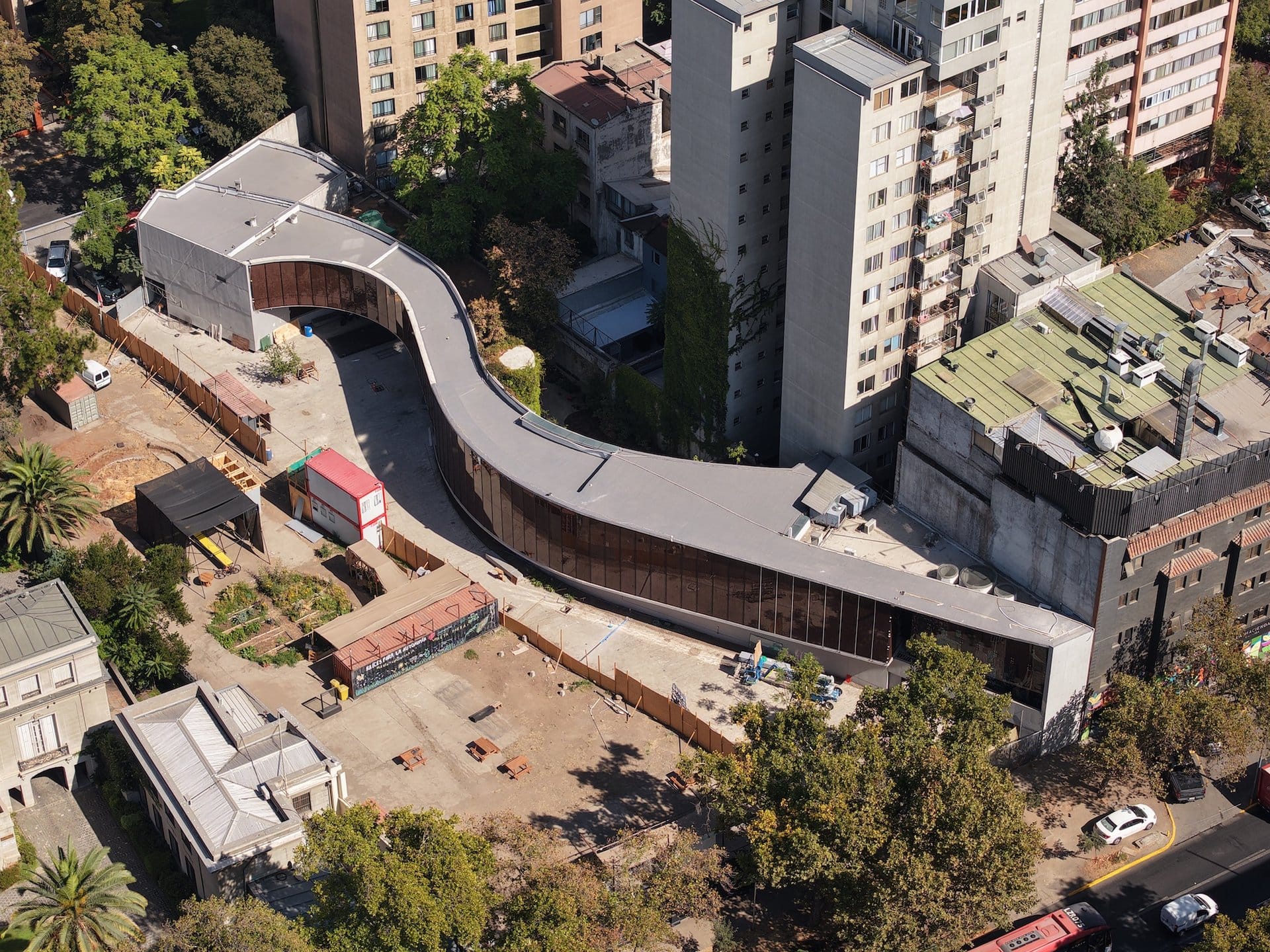
Other museums facing similar pressures should pay attention. Regional cultural institutions are particularly vulnerable—not just to theft or vandalism, but to the perception that they serve elites while ignoring the communities around them. The gap between institutional mission and public trust is widening everywhere. The Violeta Parra Museum's reopening is a test case for whether security infrastructure can substitute for the harder work of rebuilding legitimacy.