The art market's most persistent myth is that exclusivity creates value. Santiago's Chaco art fair, now in its 16th edition, just spent a week dismantling that assumption with a deliberate focus on affordable Latin American works, many carrying sharp political edges that would make blue-chip galleries nervous. The fair didn't position accessibility as a concession to economic reality. It positioned it as the point.
This is a fundamentally different bet than the one most international fairs are making. While Art Basel and Frieze chase ultra-high-net-worth collectors with million-dollar booths and invitation-only lounges, Chaco built its identity around work that someone under 40 might actually afford to buy. The Art Newspaper describes "a plethora of affordable works" in an "inclusive atmosphere"—language that would read as damage control at most major fairs but functions as Chaco's entire value proposition.
The political content isn't incidental. Latin American artists working with themes of displacement, state violence, indigenous rights, and environmental collapse are producing some of the most urgent contemporary work being made right now—but those subjects don't always move easily through the traditional gallery system, where collectors prefer their critique packaged in historical distance or formal abstraction. Chaco's model allows that work to find buyers who want it for what it says, not what it signals about their taste. It's a market structured around conviction rather than investment-grade validation.
What makes this strategy viable is that Chaco isn't trying to compete with the mega-fairs on their terms. It's not courting the same oligarch collectors or positioning itself as a must-attend calendar fixture for the international art circuit. Instead, it's building a regional ecosystem where affordability becomes the access point for a different kind of collector base—younger, more politically engaged, less interested in flipping work for profit. The fair's success suggests that this audience exists in larger numbers than the traditional market wants to admit.
The institutional art world has spent the last decade debating how to make contemporary art more accessible while simultaneously building economic structures that make entry-level collecting nearly impossible. A decent emerging artist print at a New York gallery costs $3,000 minimum. A painting from an MFA grad show in Los Angeles starts at $8,000. Chaco's model acknowledges that those numbers don't represent accessibility—they represent gatekeeping with better marketing.
There's a practical business logic here too. Fairs built around exclusivity are fragile. They depend on a small number of ultra-wealthy buyers whose interest can evaporate with a single market correction or geopolitical shift. Chaco's broader base—collectors buying work they can actually afford, often because they care about the subject matter—creates a more stable economic foundation. Political art doesn't lose its relevance when the stock market dips. If anything, it becomes more urgent.
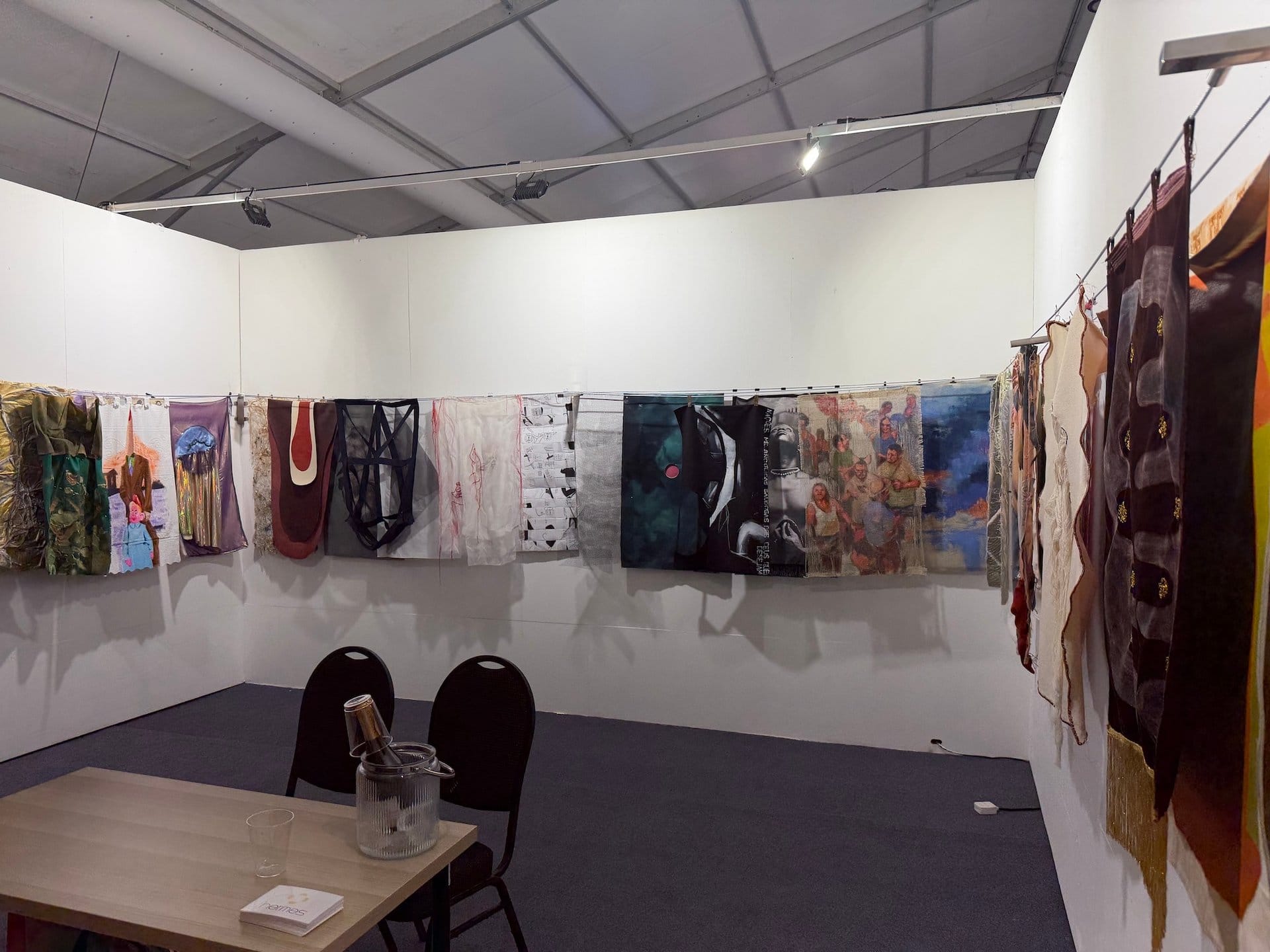
This approach also positions regional fairs as something other than feeder systems for the international circuit. Chaco isn't trying to launch artists into the Art Basel ecosystem. It's building its own. That means the fair's success isn't measured by how many galleries get poached by larger competitors, but by whether it can sustain a local market that values its own artists on its own terms.
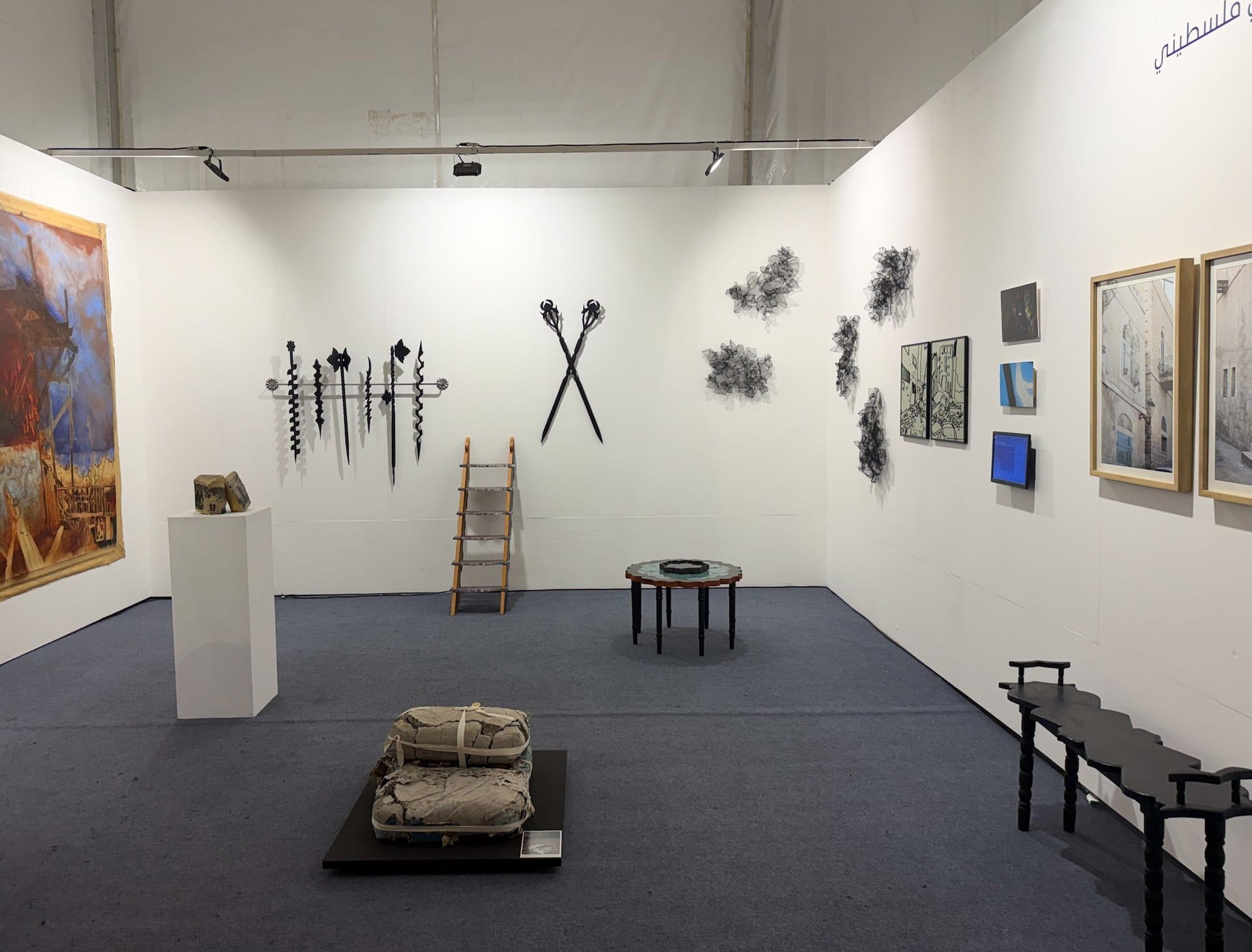
The real test will be whether other regional fairs adopt this model or continue trying to mimic the exclusivity playbook that's calcifying the market elsewhere. Chaco's 16th edition suggests there's a viable alternative—one where affordability isn't a compromise, and political content isn't a risk to be managed. It's a market built for people who want to live with art, not just own it. That's a harder sell to investors, but a much easier one to collectors who were never going to drop $100,000 on a single piece in the first place.