Gagosian is mounting a Francis Bacon exhibition in Paris this spring—not in London, where the artist lived and worked for most of his career, and not in New York, where Gagosian's flagship sits and where American collectors have historically dominated the top end of the market. The show, featuring three significant late paintings, opens in the gallery's rue de Ponthieu space in May. The location choice isn't curatorial whimsy. It's a business calculation.
Paris is where the European collectors capable of writing eight-figure checks actually congregate now. The blue-chip market has been consolidating around a smaller group of buyers with the liquidity and appetite for trophy works, and an increasing share of that capital sits in Europe—not just London, but Paris, Zurich, Geneva, and Milan. Gagosian knows this. The gallery has been methodically expanding its European footprint while American collectors have become more cautious, more selective, and more focused on works they can flip within five years rather than hold for a generation.
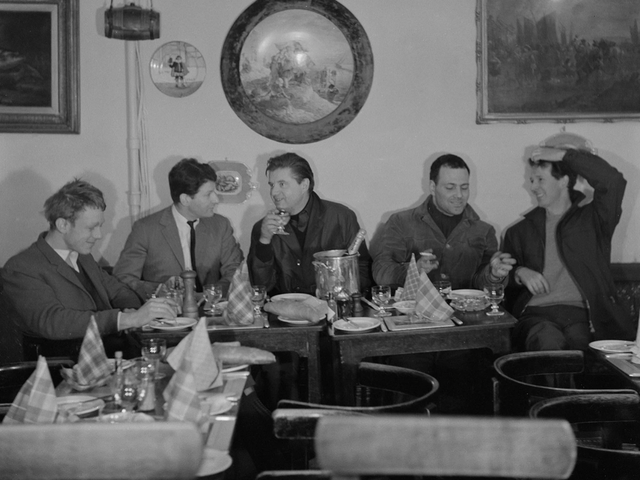
Bacon's relationship with Paris gives the show a defensible narrative hook. He spent significant time in the city, exhibited there frequently, and drew from French painters—particularly the bodily distortions of Chaïm Soutine and the existential dread of Jean Foucault's photography. But the art historical angle is window dressing. The real story is that Gagosian is pre-positioning inventory in front of the buyers most likely to acquire it. Bacon's late paintings—dense, claustrophobic, often brutal—are exactly the kind of blue-chip material that European collectors treat as safe stores of value when economic volatility makes contemporary art feel speculative.
The timing matters too. Regional art fairs are consolidating, and the secondary market for postwar masters has been one of the few reliable performers in an otherwise uneven auction season. Gagosian isn't gambling on discovery here—Bacon is as established as blue-chip gets. The gallery is making a calculated play for the segment of the market that still has the capital to spend and the institutional confidence to deploy it. That segment increasingly speaks French, German, and Italian as often as English.
This also clarifies something about how mega-galleries operate now. Gagosian doesn't just show work where it thinks the art historically belongs—it shows work where the money is. White Cube's recent signings follow a similar logic: build presence in the markets where capital is concentrating, then move inventory through those channels. The gallery system has always been a distribution network, but it's becoming more explicitly one. The romance of the white cube as a space for contemplation has been replaced by the white cube as a showroom for works already pre-sold or pre-vetted by collectors who saw them at the fair six months earlier.
For American collectors, this is a signal. The center of gravity in the blue-chip market is shifting east across the Atlantic. Not entirely—New York still moves enormous volume, and American museums still set the terms of art historical legitimacy. But when it comes to the kind of trophy acquisitions that anchor major private collections, European buyers are setting the pace. They're the ones willing to hold works long-term, the ones less concerned with flipping for quick returns, and the ones Gagosian is courting with a Bacon show in Paris instead of a Bacon show in Chelsea.
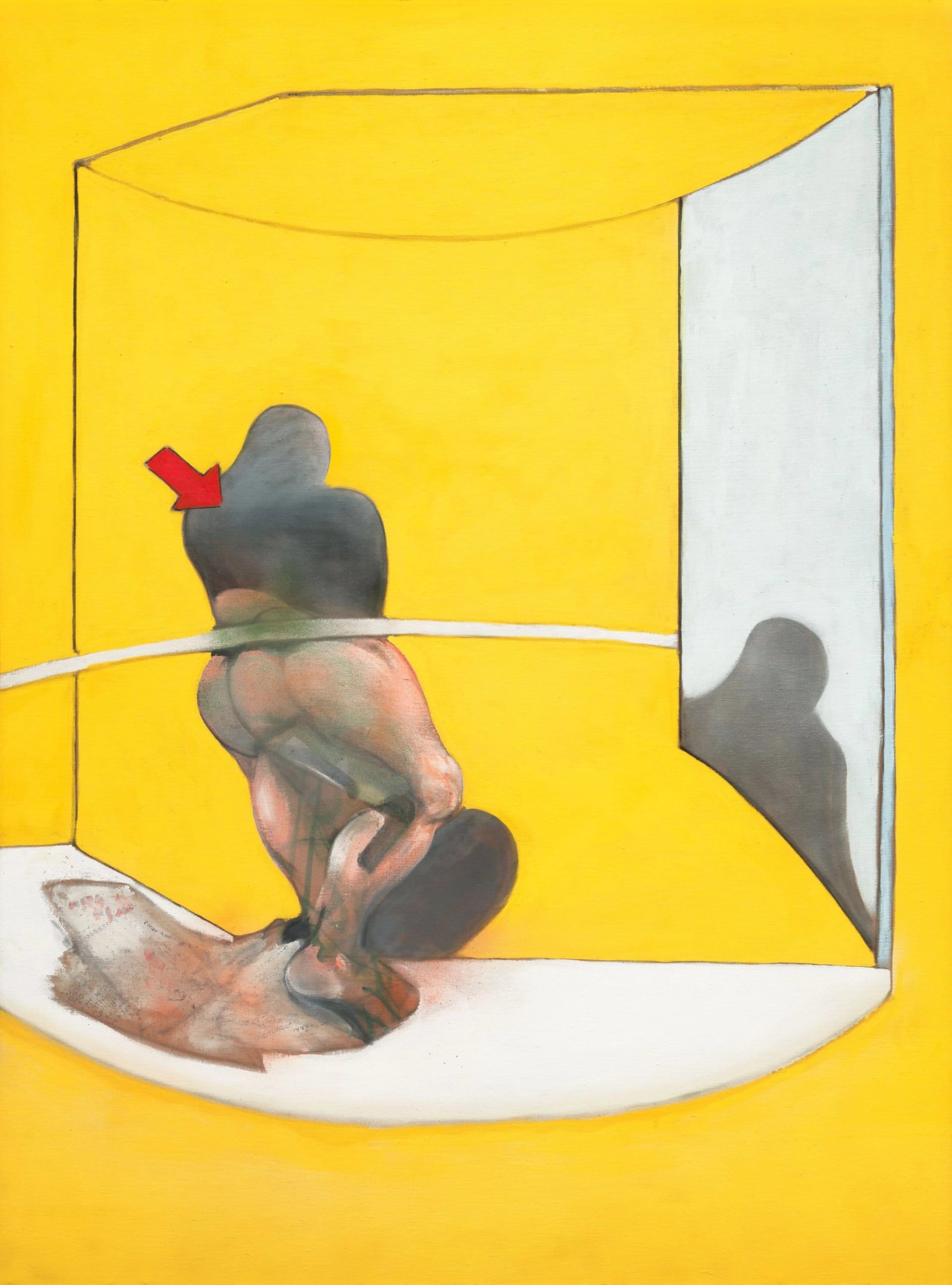
The three paintings in the exhibition haven't been disclosed yet, but Bacon's late work from the 1980s and early 1990s—his final decade—tends to command between $20 million and $60 million at auction, depending on scale, subject, and provenance. Gagosian is almost certainly pricing these works in that range, and the gallery knows that the buyers capable of closing at that level are more likely to be sitting in Paris than anywhere else right now. The show is a test case for where the next wave of blue-chip sales will happen. If it works, expect more postwar masters to land in European galleries before they ever see a New York wall.
Paris has always had serious collectors. What's changed is that those collectors now have more influence over where galleries choose to show their most valuable inventory. Gagosian's Bacon exhibition is a bet that the future of the blue-chip market looks more European than it has in decades. The works will travel, the press will cover it, and the collectors who matter will already know the price before the show opens. That's how the top end of the art market works now—less like a public exhibition, more like a private sale with better lighting.