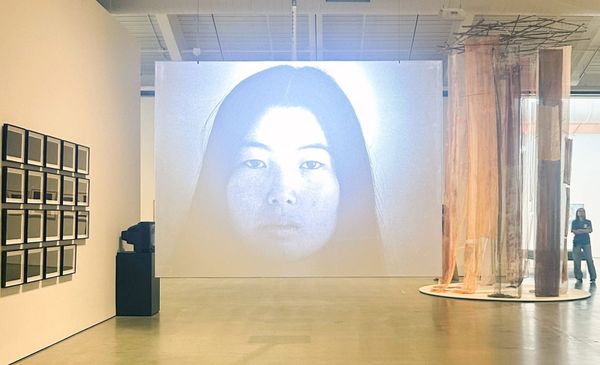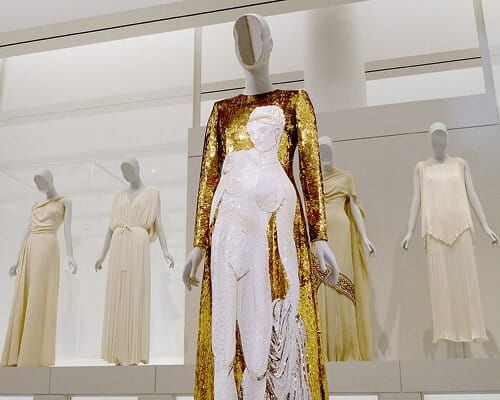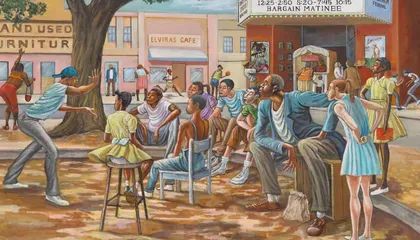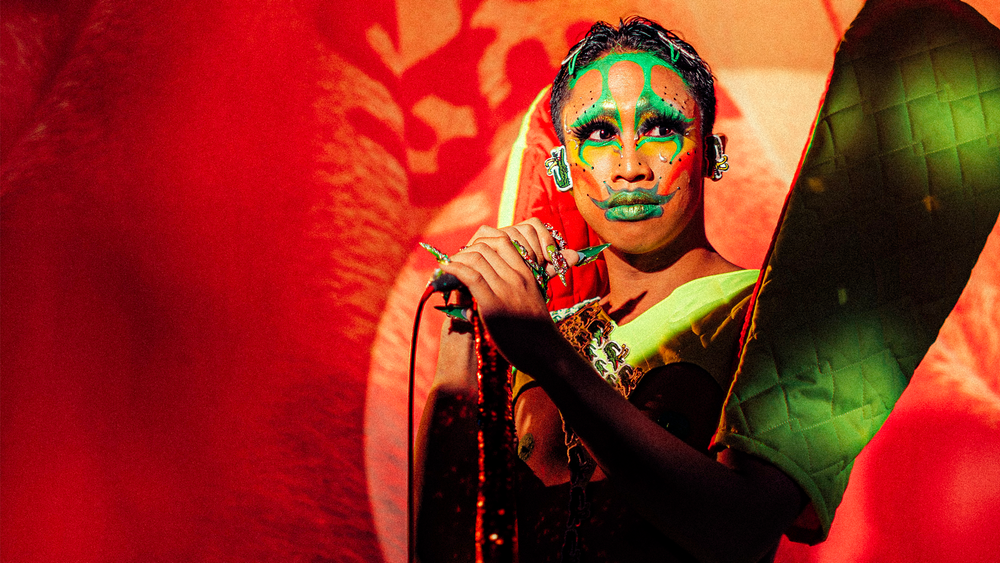
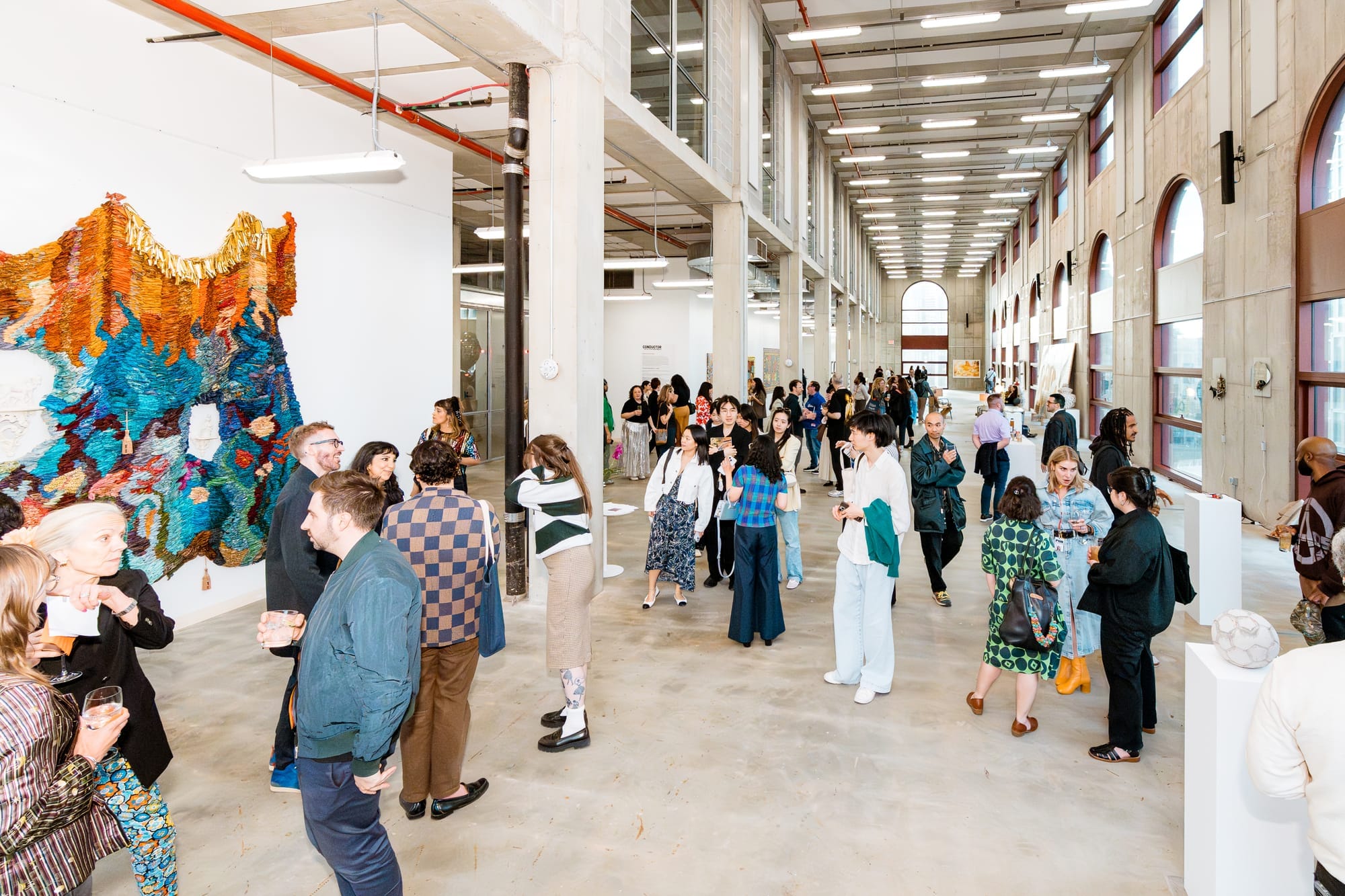
A new art fair is opening in Brooklyn from April 30 to May 3, positioning itself as New York's first fair committed to the "global majority" — a term that reframes non-white populations not as minorities but as the world's statistical norm. According to Hyperallergic, CONDUCTOR will feature 27 galleries and 17 special projects at Powerhouse Arts in Brooklyn, spotlighting artists from across the world. The language is progressive. The framing is intentional. And the underlying bet is purely economic.
"Global majority" sounds like a structural commitment. It reads like a mission statement. But what it actually describes is a commercial strategy: identifying undervalued markets, reframing them as ideologically virtuous, and building a fair around the premise that collectors are ready to buy what the institutional art world has historically ignored. That's not activism — it's arbitrage with better branding.
Art fairs have always been commercial infrastructure dressed in cultural language. The difference now is that diversity itself has become a marketable aesthetic category. CONDUCTOR isn't the first fair to center non-Western artists — regional fairs across Asia, Africa, and Latin America have been doing that work for decades, often with less fanfare and tighter budgets. What CONDUCTOR is doing is importing that model to Brooklyn and wrapping it in the kind of terminology that signals progressive values to a collector base that increasingly expects its acquisitions to come with ideological cover.
The "global majority" framing also does rhetorical work that "diversity" no longer can. Diversity implies adjustment within an existing structure — adding underrepresented voices to a canon that remains fundamentally unchanged. "Global majority" flips the script: it suggests that the canon itself is the outlier, that the white-dominated art world is the statistical minority, and that centering artists from Asia, Africa, Latin America, and the diaspora is simply a return to numerical reality. It's a smart reframe. It also conveniently sidesteps the harder question: who still controls the capital, the institutions, and the market mechanisms that determine which artists get seen and sold?
This isn't unique to CONDUCTOR. Regional art fairs are consolidating precisely because the market for non-Western contemporary art is growing, and larger fairs are absorbing smaller, mission-driven platforms that built those markets in the first place. The rhetoric is always about visibility and access. The reality is about who profits when undervalued work finally gets valued.
The fair's location matters too. Powerhouse Arts in Brooklyn is not Chelsea. It's not the Javits Center. It's a venue that signals independence and community engagement — the kind of space that reads as scrappier, more authentic, less commercially compromised than the established fair circuit. But a fair is still a fair. Galleries pay for booths. Collectors come to buy. The transaction is the same regardless of the zip code or the ideological packaging.
None of this means CONDUCTOR won't do good work. Providing a platform for galleries that can't afford Frieze or Art Basel booth fees is valuable. Centering artists who have been systematically excluded from major fairs is necessary. But calling it a commitment to the "global majority" rather than what it actually is — a commercial bet on shifting collector tastes and emerging markets — obscures the power dynamics that still govern who gets institutional validation and financial reward. Mega-galleries are signing artists after indie galleries built their markets, extracting value from the groundwork smaller institutions laid. CONDUCTOR is operating in the same ecosystem.
The art market has always been better at adopting progressive language than redistributing power. A fair that centers the "global majority" is still a fair where galleries pay entry fees, collectors hold the capital, and market mechanisms determine which artists rise. The question isn't whether CONDUCTOR's framing is sincere — it's whether the structure it's operating within can deliver the equity the language implies. So far, the answer across the art world has been no. Rebranding the problem doesn't solve it. It just makes it easier to sell.