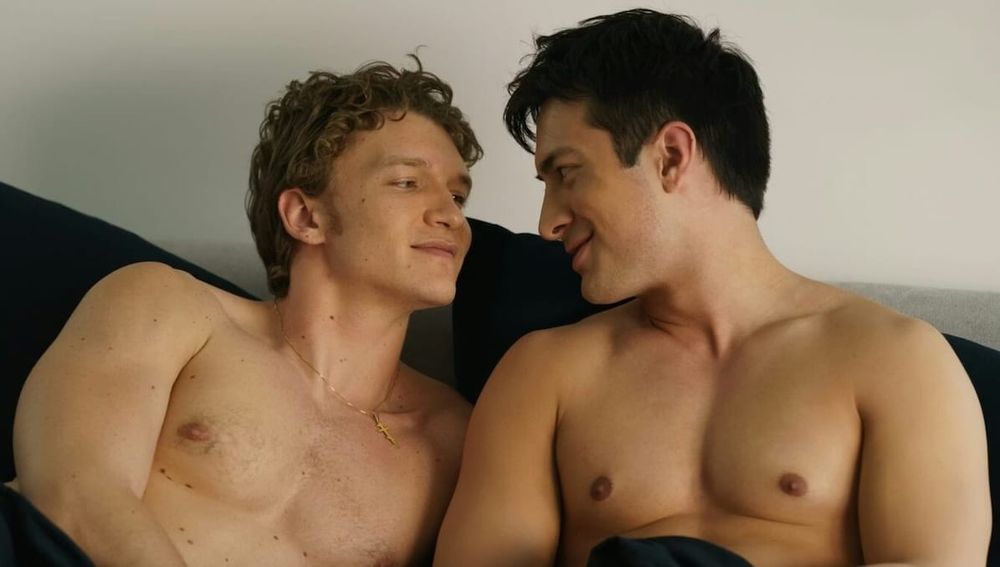
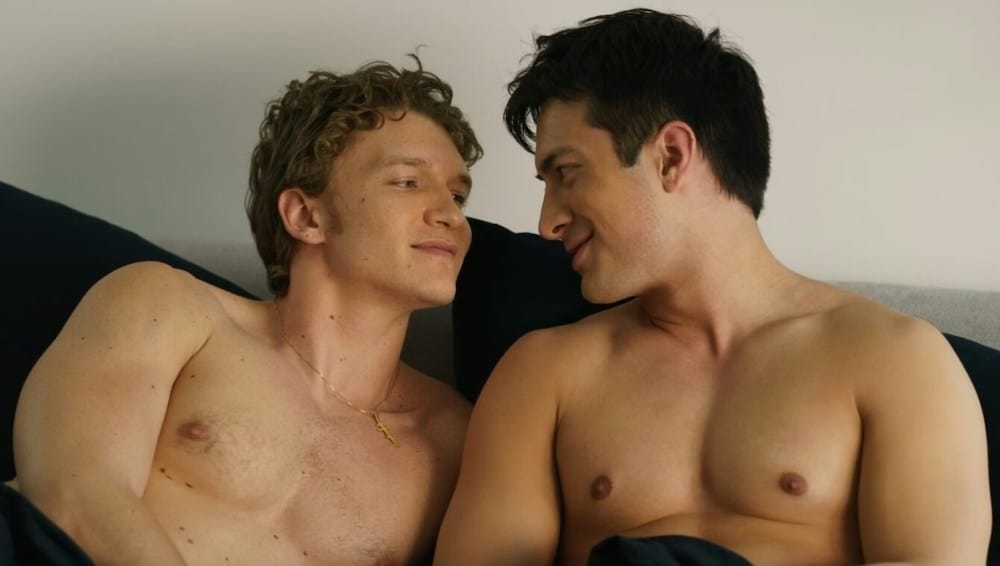
Eight sold-out concert performances earlier this month. That's all it took for "Heated Rivalry: The Unauthorized Musical Parody" to secure an Off-Broadway run this spring. The show — inspired by the hit series about hockey players and gay romance — didn't wait for licensing deals or IP holder approval. It built an audience, proved demand, and according to Variety, now it's headed to a proper theatrical run.
The "unauthorized" label isn't a disclaimer. It's the business model. Fandom-driven theater has been testing this path for years — Puffs, the unauthorized Harry Potter parody, ran Off-Broadway for two years and toured nationally. Spamilton did the same. But those were early experiments in a pre-streaming, pre-BookTok era when fandom still felt like a subculture rather than the dominant force in entertainment commerce. Heated Rivalry's path from concert to commercial run in 2026 suggests something shifted: fandom theater is no longer a novelty act trading on recognition. It's a viable commercial pipeline that bypasses traditional IP gatekeeping entirely.
The mechanics are straightforward. A property builds a passionate audience — in this case, a show about gay hockey players that already had cultural momentum. A theater team creates a parody that exists in fair use territory: commentary, critique, transformation. They stage a handful of concerts to test demand and build word-of-mouth. If it sells, they scale. No rights negotiation. No revenue split with the original creators. No studio approval process. The audience showed up because they wanted more of the world they loved, and the producers gave it to them without asking permission.
This model only works when the underlying property has passionate, organized fandom — the kind that BookTok has proven can pre-sell streaming renewals and the kind that turns niche internet culture into viral cultural moments. Heated Rivalry had that. The original show cultivated a community that didn't just watch — they engaged, created fan content, and built their own interpretive layers around the source material. An unauthorized parody isn't exploitation in that context. It's fan service with a ticket price.
The legal framework is narrow but established. Parody enjoys fair use protection when it comments on or critiques the original work. Unauthorized musical parodies walk that line carefully — they can reference, lampoon, and riff on the source material as long as they're not simply reproducing it for profit. The "parody" label does legal work. It transforms a potential IP violation into protected speech. And as long as the show is clearly positioned as commentary rather than substitute, the original rights holders have limited recourse.
What makes this a 2026 story rather than a 2016 story is the speed and scale. A decade ago, fandom theater was a scrappy underdog bet — low-budget, high-risk, reliant on word-of-mouth in a pre-algorithmic discovery landscape. Now, fandom is infrastructure. Communities are organized, mobilized, and monetizable in ways that traditional marketing can't replicate. Eight sold-out concerts isn't a fluke. It's proof of concept. And Off-Broadway producers know that proof of concept is worth more than a licensing deal that splits revenue and limits creative freedom.
The larger pattern is clear: IP ownership is becoming less important than audience ownership. The Heated Rivalry parody doesn't need the original creators' blessing because it has something more valuable — direct access to an audience that's already invested. That's the same logic driving creator-owned projects, fan-funded films, and the entire Patreon economy. The value isn't in the IP. It's in the relationship between the work and the people who care about it.
This also puts pressure on IP holders who've spent the last decade tightening control over their properties. If fandom can build commercially viable theater without permission, what's the value of holding the rights? The answer used to be "everything." Now it's "it depends." If the parody is good, if it respects the source material, if it gives fans something they want — then the original creators are competing with their own audience's interpretive labor. And that's a competition they can't win by sending cease-and-desist letters.
Heated Rivalry's Off-Broadway run will test whether this model scales beyond a handful of performances. If it runs for months, if it tours, if it becomes a repeatable template — then fandom theater stops being a novelty and becomes a legitimate alternative pipeline. One that doesn't ask for permission. One that builds its own audience. And one that proves the gatekeepers were optional all along.