In January, Kenneth W. Welch Jr. described the problem he had set out to solve. "There are artists who show up to these competitions, these platforms, with full teams behind them—managers taking percentages, budgets, infrastructure," he told the British music site Neon Music. "Most independent talent just doesn't have that. They're showing up alone." Eight months later, the artist he had decided would never show up alone finished first in the UK at TikTok LIVE's Music on Stage for the second year running, and finished fifth in the world at the Global Final on September 18.
One title gets explained by the night. A second, against a fresh field on a bigger stage a year later, has to be explained by the other 364 days, and the other 364 days are what Welch builds. Moxie Media Marketing, the company he runs from north of Houston, is the machine in question, and Jolene Burns, the singer-songwriter from the New Lodge in north Belfast, is the artist it was assembled around. Her road is the subject of a companion piece. This one is about the builder.
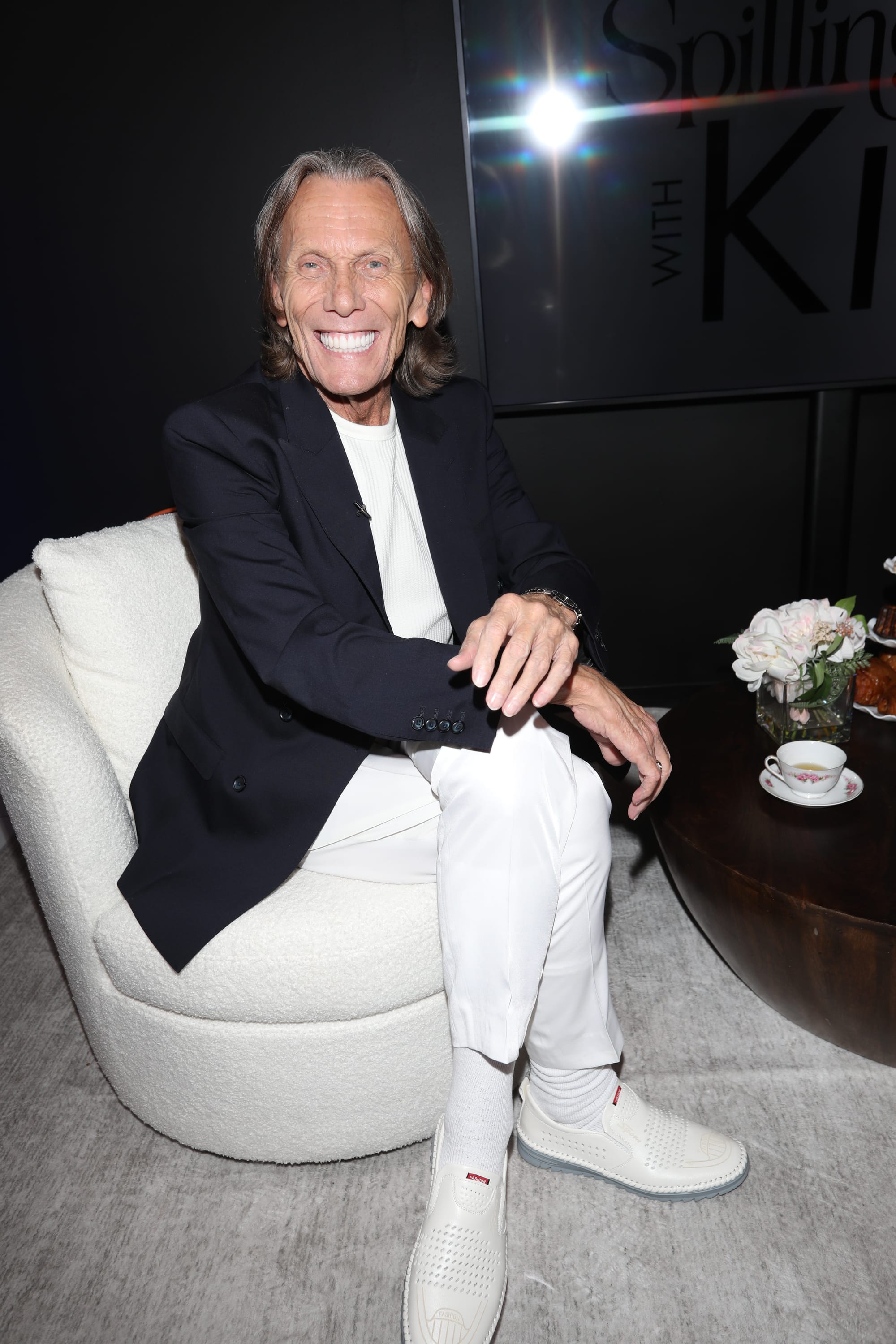
Welch is Moxie's chief executive. The company describes itself as a platform for independent artists that supplies production, distribution, strategic promotion and visibility, the last of those through the Global Talent Billboard Directory, an artist platform it launched in October 2025 and says now supports more than 100 independent artists. He came to live streaming as a stage person: his own background, by the company's telling, is in producing, directing and choreographing stage productions.
That was the bet. In 2025 the prevailing view of livestream singers ran the other way: they were content, content was plentiful, and the interesting careers were assumed to start somewhere else. Welch's position was that a performer who could hold a live audience for hours every night from a flat in north Belfast, and have that audience come back, was the scarce asset, and that everything else in a music career could be manufactured to meet it. "After meeting her we fell in love and I said I'm going to build you a studio," Welch, who is engaged to Burns, told the Belfast Telegraph in August. The studio is the least figurative part of that sentence.
The inventory, with its sources, runs as follows. By the company's own account, Moxie brought Burns to Houston and then to Aruba, where she recorded three songs and shot three videos with island producers, among them the Aruban producer Jonathan Vieira. The Belfast Telegraph reported shoots in Antigua and Jamaica since. In February, Moxie put her on a bill at The Space in Las Vegas alongside artists from the United States and Brazil and an America's Got Talent finalist, an invitation-only night the company says had every seat taken and standing room claimed half an hour before the show. In the announcement that followed, the company said it was building a professional recording studio near Houston at a cost it put above $500,000. By August the Belfast press was describing that studio as purpose-built for her, and Moxie now says it is complete. The Belfast Telegraph reported that she has signed a US record deal with the company, that two albums are written, soulful songs for the first and upbeat, empowering ones for the second, that recording begins within weeks, and that a tour is planned for next year with the Hollywood Bowl among the venues.
Each item is ordinary on its own. Labels build studios, book showcases and plan tours. What is unusual is the order of operations. Moxie built the back end for a live streamer before the live streamer had a record out, on the theory that the audience she was assembling nightly was the thing that could not be bought, and the recordings were the thing that could be made.
Welch has put that theory in print. In the final part of Talent First, a four-part Tinsel series on the economics of live performance published in August, he set out a standard for how the format ought to treat the people it runs on, and he set it out in numbers.
"Does it have to be this destructive? An hour a day, an hour and a half, four days a week, with productive oversight of the system. Give sixty to seventy percent to the actual creator, so they can keep making beautiful and creative work for the world to see. Would that not create good revenues and incomes? You would be growing the talent pool instead of consuming it, saving the voices, keeping the talent available for the long term. A long-term productive system instead of a short-term burnout system."
"The talent is the whole show," he said in the same piece. "Build for the talent, and the audience, the revenue, and the longevity follow." The capped hours, the majority share and the oversight are a development model, and the studio outside Houston is the model with a roof on it. The Belfast press called what Burns signed a record deal. Welch's own description, in the company's February announcement, drew the line differently: "I'm not building a label. Labels take things from artists. I'm building a platform that gives artists everything a label would give them and then lets them keep it."
The industry has since built a public version of the same bridge, with the platform's own money. When TikTok announced the 2026 edition of Music on Stage on August 13, it described the programme as one dedicated to discovering emerging artists and "supporting them on the journey from livestream performances to real-world music careers," and it attached the prizes to match: the top creators receive "the opportunity to record and release original music with full production, distribution and promotional support" through SoundOn, TikTok's music distribution and artist-services platform, plus performance slots at TikTok LIVE Fest, the All Things Go festival in New York and the Breakaway Carolina festival. Shen Gao, the company's head of LIVE operations for the Americas, put the thesis in TikTok's own words: "This programme takes that one step further by giving emerging artists the opportunity not only to be discovered, but to develop sustainable careers beyond the platform. We're proud to help the next generation of music talent move from livestreams to record releases and festival stages." The programme already has a case study. Its 2025 winner, Anyelique Solorio, released a debut EP through SoundOn that TikTok says generated more than 350,000 creator videos, increased her Spotify monthly listeners tenfold and passed 450,000 streams.
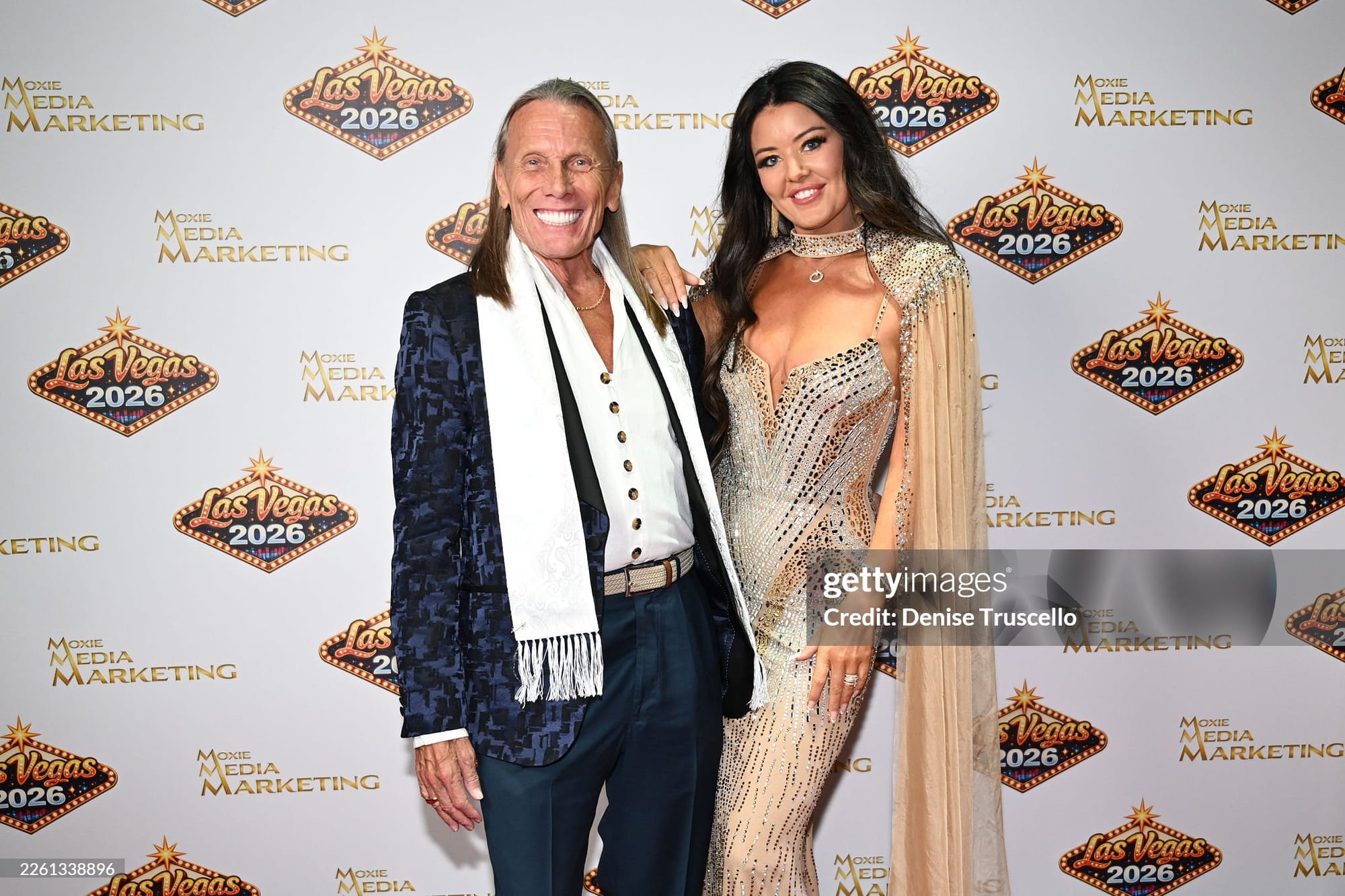
That is a live-first pipeline run at platform scale: find the performer who can hold a live room, then supply the recordings, the distribution and the stages to meet the audience she already has. Moxie ran the private version for one artist a year earlier, and that artist has now topped the UK in the platform's own competition twice. Nor is the platform alone in catching up. The major labels have spent the year buying the distribution infrastructure that independents built for themselves, and at the top of the touring business the case for fewer, prepared, bigger nights over the endless grind is being made by acts with nothing left to prove, Radiohead among them. A capped schedule, a majority share and a plan that runs from a living room to the Hollywood Bowl looked eccentric in 2025. It looks like the direction of travel now. The celebrity press has started describing the machine in its own terms: in March, Star magazine called Moxie's network "one of the most formidable creator-to-consumer ecosystems in the livestreaming economy." Welch gave the same magazine the thesis in one breath. "Artists aren't waiting for gatekeepers anymore," he said. "They're building global careers in real time, directly with fans."
"Everybody looked at that phone and saw content," Welch says, with the confidence of a man who was early. "I looked at a woman who could walk into any room, hold it for two hours and have the same people back the next night, and I have spent my life around stages, so I knew exactly what that was worth. A voice like that in a room like that is the rarest thing in this business, and the room was getting bigger every night while everyone else was still calling it content. Everything after that was carpentry, and I am good at carpentry. You don't wait for the industry to agree with you. You build the studio, you book the room, you write the records, and by the time they agree, the work is already done." On the repeat: "The first title told me I was right about her. The second told me I was right about the system. I build for the tenth year, and the tenth year is where the voice and the money both still exist. Anybody can be right once, and being right twice takes a blueprint. Now we take it to the biggest rooms in the world."
The size of those rooms is on the record. "We want to see her on the big stage in front of 100,000 people," he told the Belfast Telegraph. "We think she is going to be a number one superstar around the world. We are looking to push her global, which we have been."
"Moxie showed up in the unglamorous parts," Burns told Neon Music in January. "The strategy calls. The scheduling." She credits the half of the machine nobody photographs, and she puts it more directly now. "Ken built me a studio before I had a record that deserved one," she says, "and then he made sure I wrote the record that did. He never once asked me to be somebody else to sell it. He built a place big enough to hold the whole of me, accent and all. Plenty of people tell you they believe in you. He poured the foundations."
The final has been played, and the result is on the board: two UK titles and two top-five finishes in the world in the competition's two years. The machine was built for the other 364 days. The deal is signed, the studio is finished, the albums are written and next year's venue list has the Hollywood Bowl on it. A back-to-back is what a system looks like from the outside. From the inside, it looks like a builder who bet early, put the stage up first, and is now watching the industry pour concrete in the same shape. "She is the first artist through that door," Welch says. "The door stays open. Every studio, every stage, every system we built for her, we built so the next one never has to show up alone. Nobody gets to call it luck twice."
Sources
- Neon Music, profile of Kenneth W. Welch Jr. and Jolene Burns, January 31, 2026
- Star, "Jolene Burns Took On the Biggest Names at TikTok LIVE Fest — Here's How She Held Her Own," March 12, 2026
- Roisin Gorman, "Belfast TikTok star signs US deal after internet trolls' death threats," Belfast Telegraph, August 12, 2026
- Moxie Media Marketing announcements: October 15, 2025 and February 20, 2026
- Tinsel, Talent First, Part Four: The Correction, August 19, 2026
- TikTok Newsroom, "TikTok LIVE's Music on Stage returns for 2026 to discover the next generation of global music stars," August 13, 2026
- Tinsel, Warner Music Acquired Revelator to Rent the Infrastructure It Never Built, April 2, 2026
- Tinsel, Radiohead's 20-Show-Per-Year Plan Is the Legacy Act Residency Without the Building, March 17, 2026
Companion piece: Back-to-Back: Jolene Burns Wins the UK at TikTok's Music on Stage for the Second Year Running