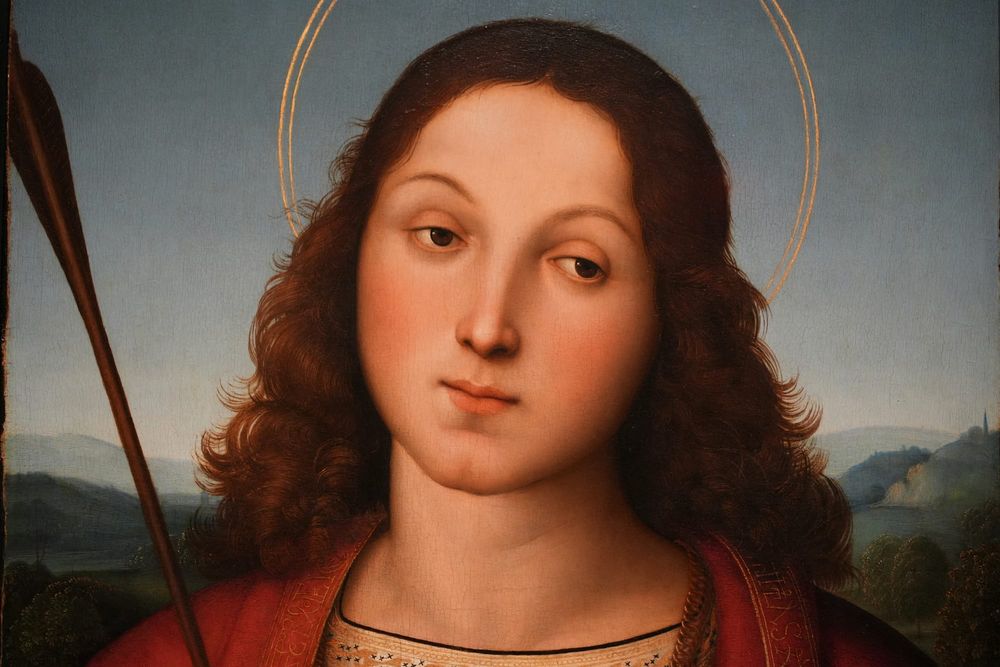
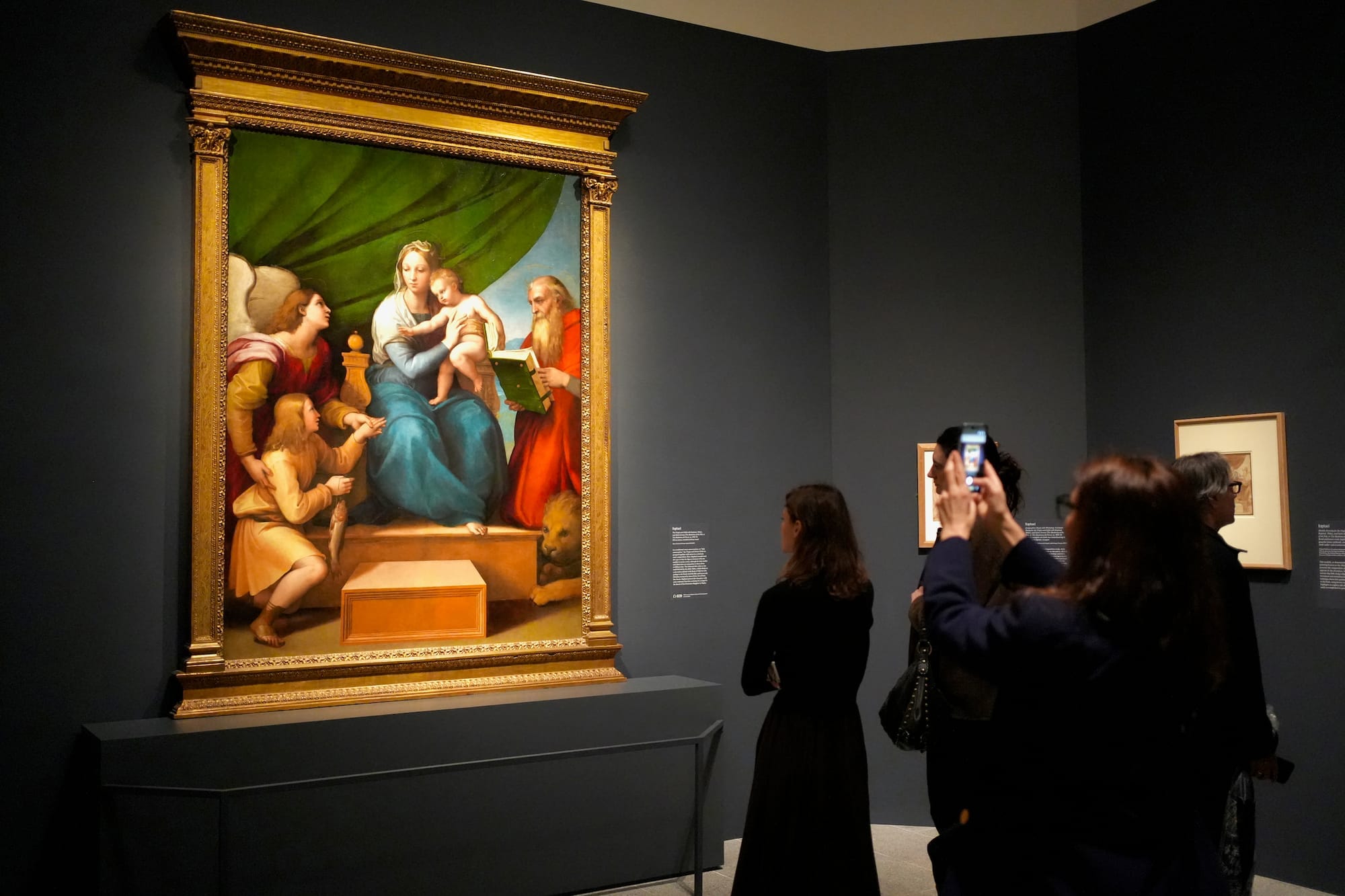
"Asking for Raphael loans is like asking for the firstborn heir of the royal family," Carmen C. Bambach, curator of the Metropolitan Museum of Art's first comprehensive Raphael exhibition in the United States, told Hyperallergic. It's not hyperbole. Raphael paintings don't travel. They're too valuable, too fragile, too symbolically important to the institutions that own them. And yet Bambach convinced museums across Europe to send them to New York anyway.
The exhibition represents years of negotiation at a level most museumgoers never see—diplomatic relationships built on institutional trust, reciprocal loan agreements that span decades, and the kind of soft power that only a handful of museums in the world can deploy. The Met is one of them. But even the Met doesn't get Raphael loans without years of groundwork, conservation guarantees that read like treaties, and the political capital to make a European institution believe that lending a 500-year-old masterpiece to Manhattan is worth the risk.
Museum diplomacy operates on timelines that make Hollywood development deals look fast. A major loan like this begins five to ten years before the exhibition opens. Curators build relationships with counterparts abroad, institutions negotiate reciprocal agreements—"We'll lend you our Vermeer in 2028 if you lend us your Raphael now"—and conservation teams write reports thick enough to serve as legal documents. The logistics alone require climate-controlled transport, insurance policies in the tens of millions, and security measures that remain undisclosed for obvious reasons. Borrowing art at this level isn't curatorial work—it's statecraft.
The Raphael exhibition also makes visible a structural reality about how the art world's power is distributed. The Met can do this. The Hammer Museum in Los Angeles probably can't. It's not just about money—though the Met's $400 million annual budget helps—it's about decades of institutional relationships, a history of reciprocal loans that European museums trust, and the geopolitical weight that comes with being one of the world's most-visited museums. Regional art institutions are already being absorbed by larger entities, and the same consolidation logic applies to museum power. The institutions that can negotiate loans like this are the same ones that set the terms for everyone else.
What Bambach's quote reveals is that even within the museum world, there's a hierarchy of access. Raphael paintings are treated as patrimony—cultural property so important that lending them out is a political decision, not just a curatorial one. Some works are considered too nationally significant to leave their home countries. Others require government approval before they can travel. The Met's ability to secure these loans is a function of its position in a global museum economy where only a handful of institutions have the leverage to ask for the "royal heir" and actually get it.
The exhibition also highlights how much of the art world's infrastructure is invisible to the public. Visitors see the paintings on the wall. They don't see the years of negotiation, the conservation reports, the insurance policies, the diplomatic relationships that made the exhibition possible. Major museum exhibitions are as much about institutional power as they are about art—and the Raphael show is a rare case where the curator said the quiet part out loud.
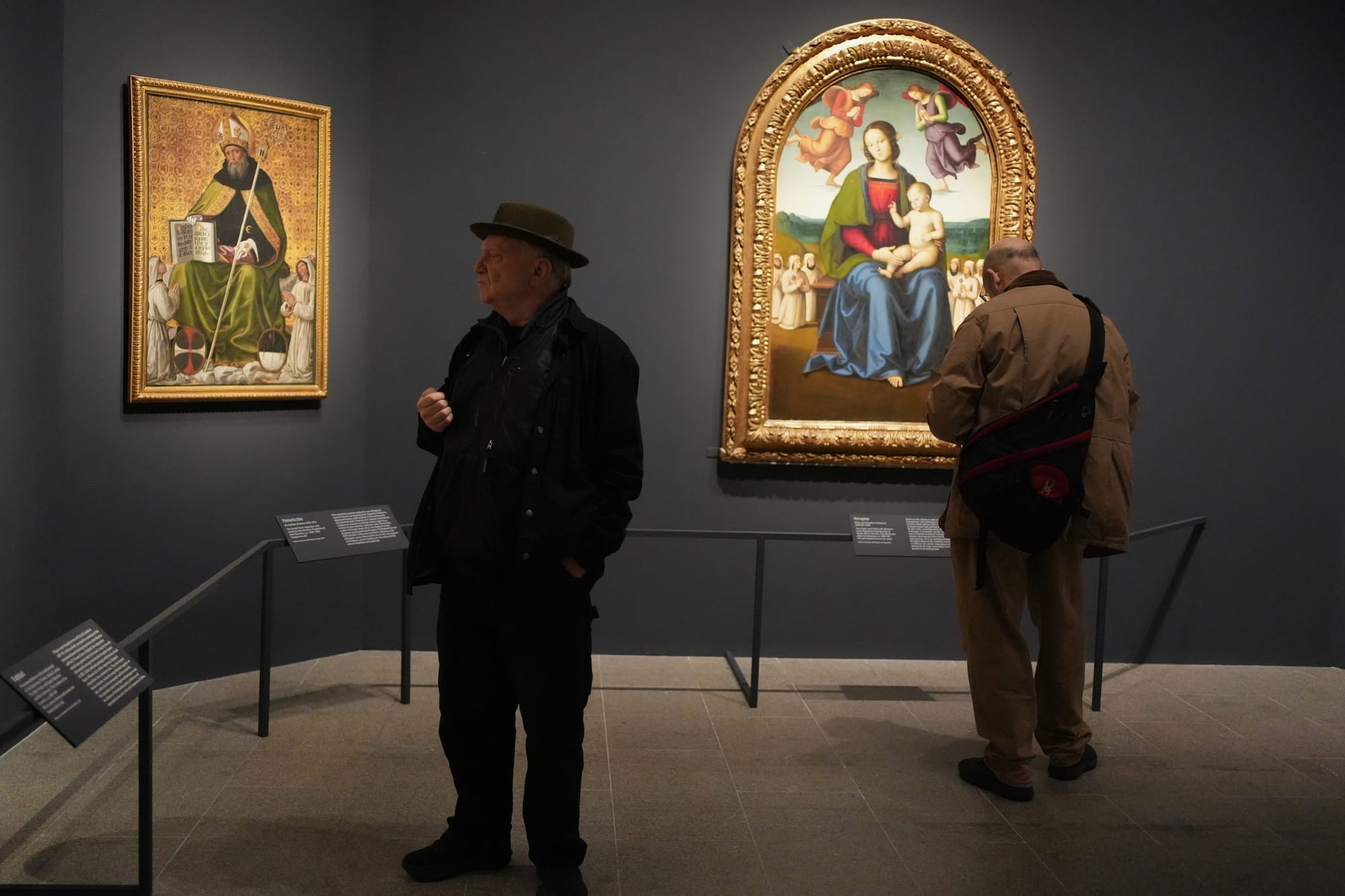
The Met's Raphael exhibition is historic because it's the first comprehensive US show of the artist's work. But it's also historic because it required the kind of museum diplomacy that most institutions can't perform. The loans Bambach secured aren't just art—they're proof of the Met's position in a global hierarchy where only a few museums have the power to ask for the impossible and make it happen.
The question the exhibition raises is what happens to smaller institutions that can't compete at this level. If Raphael loans require the diplomatic weight of a global superpower museum, what does that mean for regional institutions trying to build major exhibitions? The Met just demonstrated that even in the art world, power consolidates at the top—and the distance between the institutions that can negotiate like nation-states and the ones that can't is only growing.