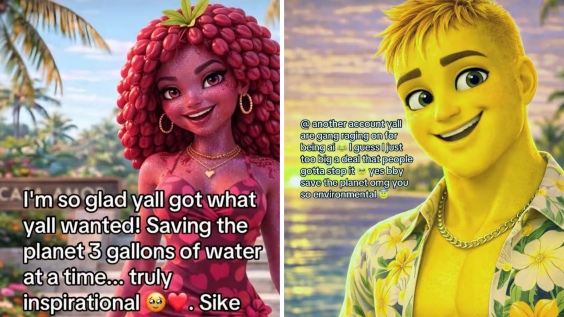
The creator behind the viral AI series 'Fruit Love Island' deleted their account after TikTok removed dozens of videos. It's the first proof that AI content farms collapse instantly when platforms enforce even minimal standards.

When Kris Jenner's face became a good luck charm on Chinese platforms, it exposed how Western celebrity brands get recontextualized the moment they cross cultural and algorithmic borders.
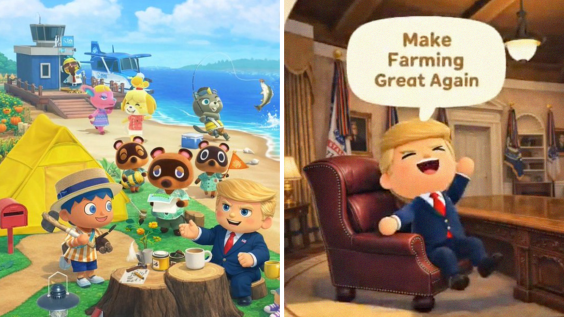
Fans are demanding Nintendo disavow the White House's Animal Crossing-style AI video, and the company's silence is teaching the internet a new lesson: staying quiet on political IP misuse now reads as complicity.
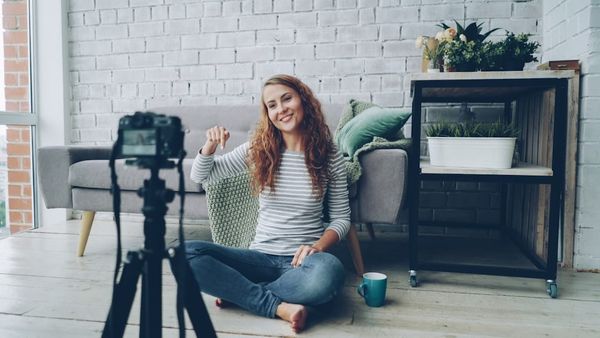
Everyone is a content creator now. But what does that actually mean — and why does the label matter?
The term was coined in 1956. TikTok turned it into a lifestyle.
Your inbox is full. These entertainment newsletters are the only ones worth keeping.

The internet is no longer a thing you go to. It is the thing everything else happens inside.

Deinfluencing tells you not to buy things. It is also, ironically, selling you something.

Newgrounds Roulette went viral by shuffling through Flash animations from the 2000s—not because people miss the content, but because they miss an internet where making weird stuff didn't require a monetization strategy.
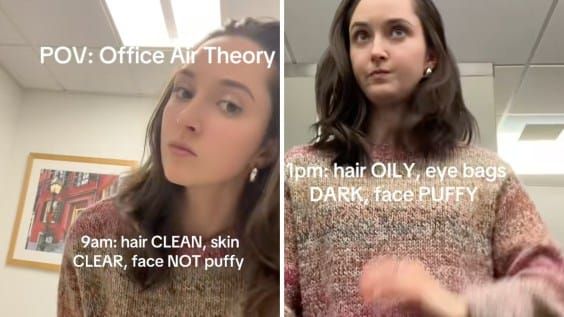
TikTok's newest wellness villain is office air quality. But the 'glow-down' meme isn't about HVAC systems — it's about how desk jobs make people physically miserable, and blaming ventilation is easier than confronting labor conditions.
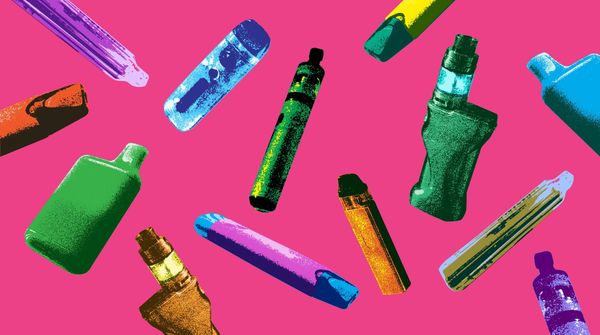
Companies hope that biometric age-verification tech in cartridges could put flavored vapes back in business. But it's unlikely to solve the real problems.
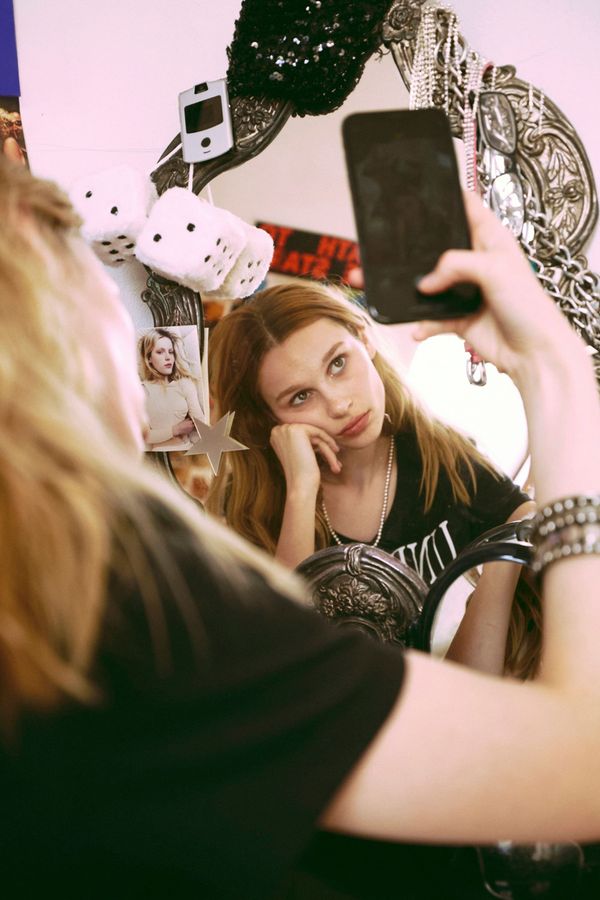
A landmark court ruling finds Meta and Google liable for mental health harm caused by algorithmic design — the first time platforms can't hide behind Section 230 when their systems cause documented damage.
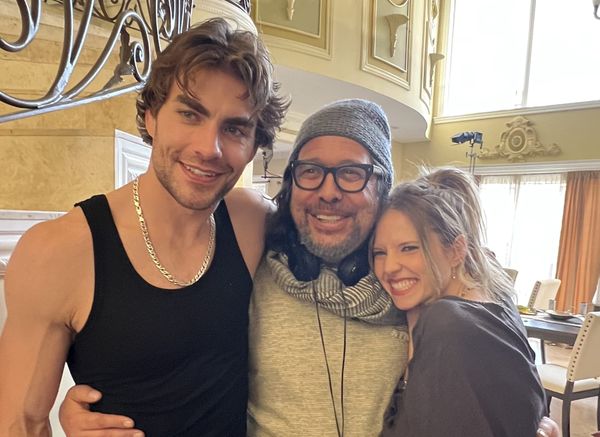
EXCLUSIVE: The Age Of Adaline co-writer Salvador Paskowitz is teaming with business partner Timothy “Timo” Nelligan to launch microdrama outfit Super Punchy Studios. The company’s first vertical title, Step By Step, stars short-form drama talent including Nicole Mattox, Seth Edeen, Molly Anderson, a
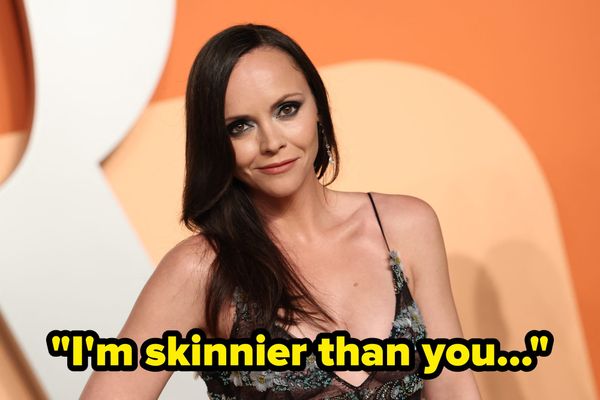
“I love when a celebrity has an unpolished-yet-correct response like this because it feels like they actually mean it.” View Entire Post ›
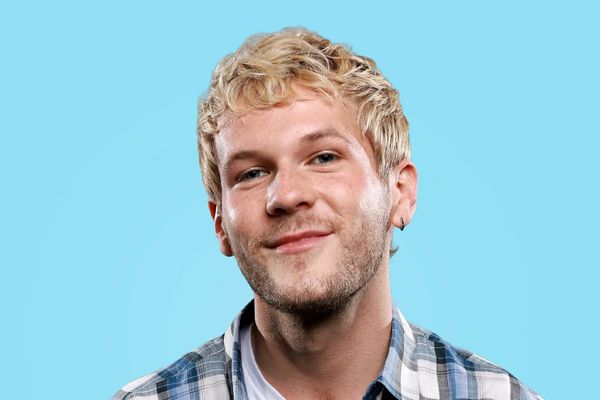
Davis Burleson's move from TikTok to hosting two SiriusXM radio shows signals that legacy media finally understands the difference between follower counts and real audience loyalty—and knows it has to hire what it can't build.
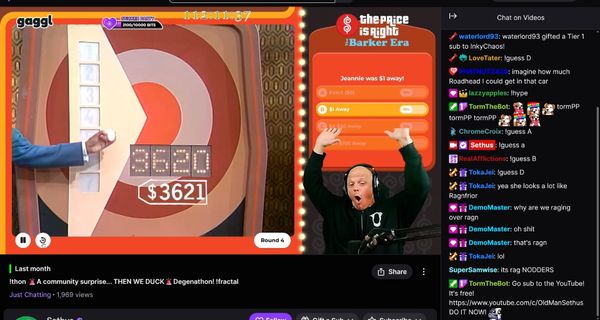
Gaggl is hiring digital creators to host TV formats designed for audiences whose storytelling fluency comes from Fortnite and Twitch, not Friends. Backed by Fremantle, it's rethinking how television works when the host is the format.