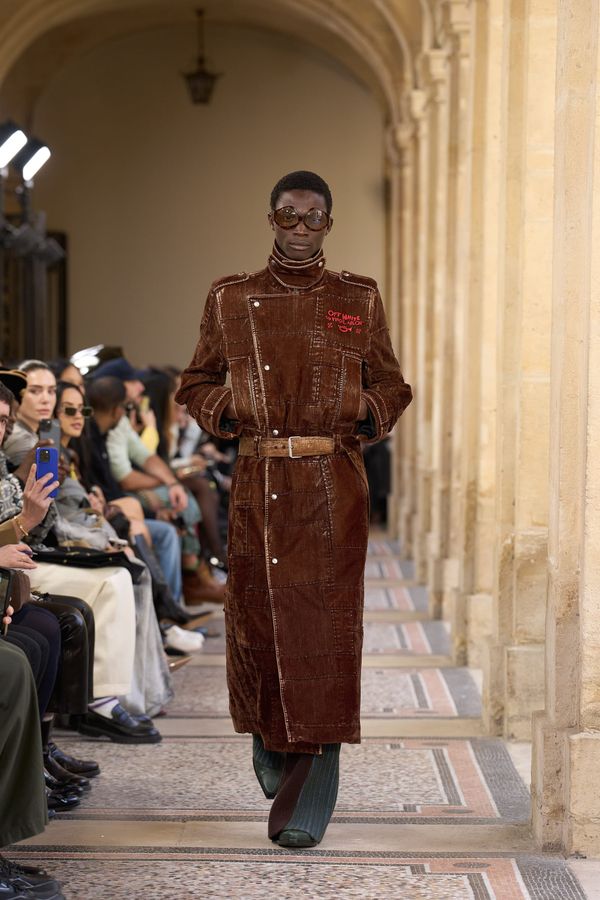
Ib Kamara's first full Off-White collection balances Virgil Abloh's legacy with commercial reality—and proves the brand's future depends on being more than a monument.
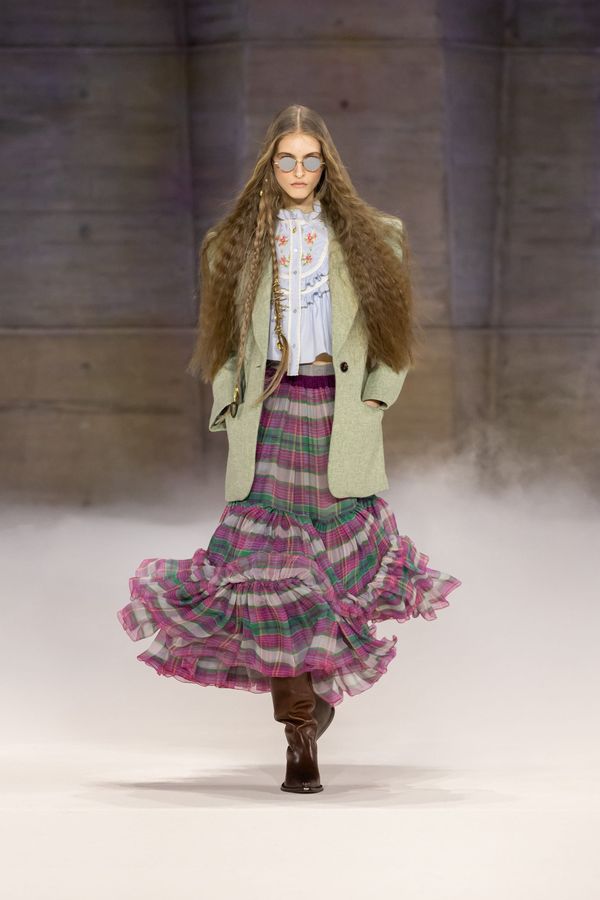
Chemena Kamali's Fall 2026 collection for Chloé doubles down on 1970s archival codes. The strategy has worked so far — but repetition has diminishing returns.
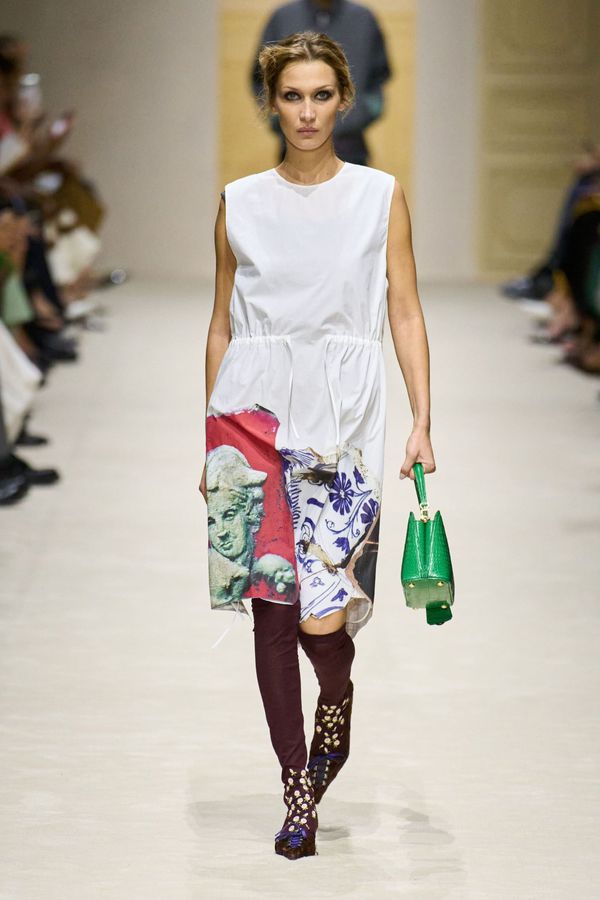
Lorenzo Bertelli's plan for Versace reveals the conglomerate playbook: standardize operations, diversify revenue, and hope the brand identity survives the optimization.
Rick Owens's Fall 2026 collection delivered draped monoliths and sculptural silhouettes—no viral moments, no trend pivots, just another season proving that consistency is its own form of brand power.
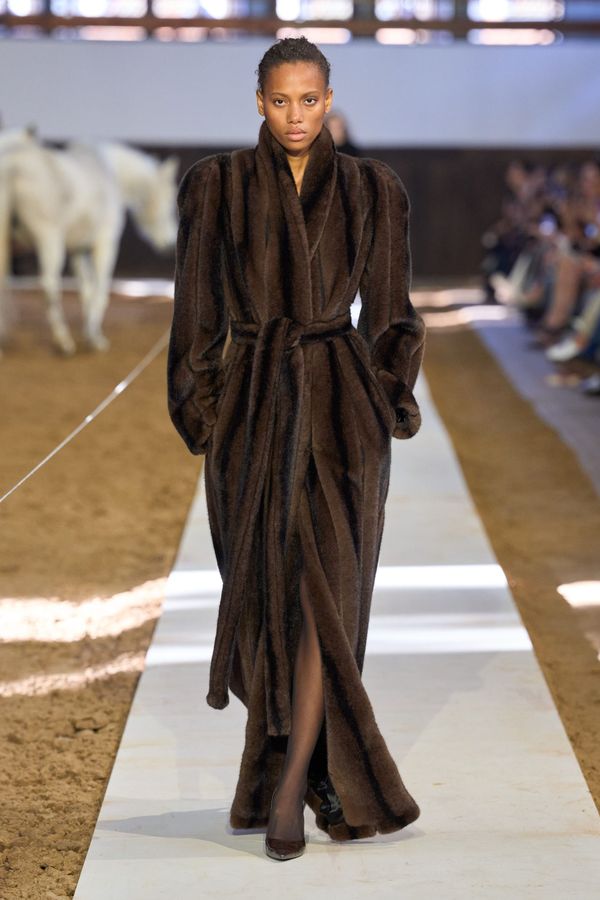
Stella McCartney's Fall 2026 collection arrives in a market where sustainable luxury is no longer niche—it's expected. After 25 years of building the case, McCartney is now setting the next benchmark.
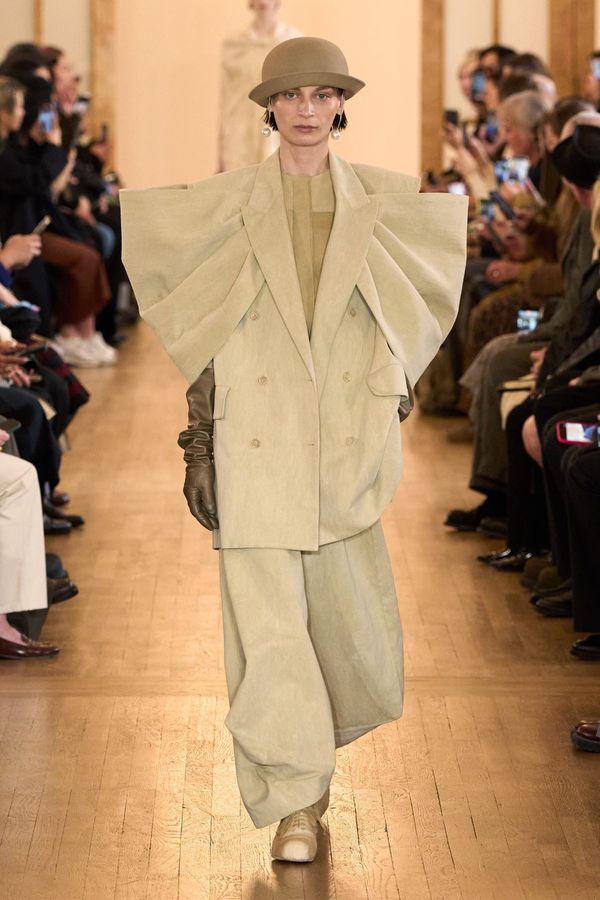
While European houses chase relevance through spectacle, Uma Wang's Shanghai-based empire grows by refusing to translate itself for Western fashion's approval.
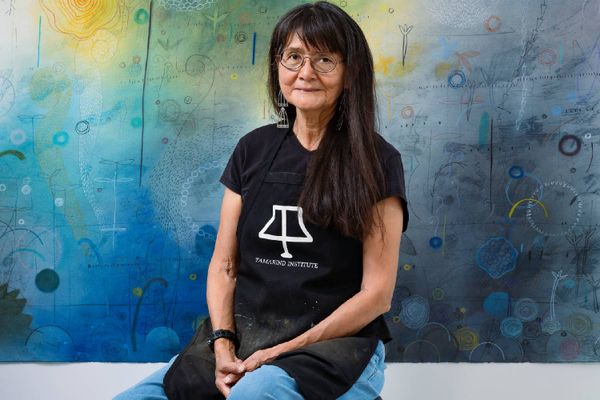
White Cube will show Emmi Whitehorse at Art Basel Hong Kong after Garth Greenan spent years building her market. That's how art's power structure works.
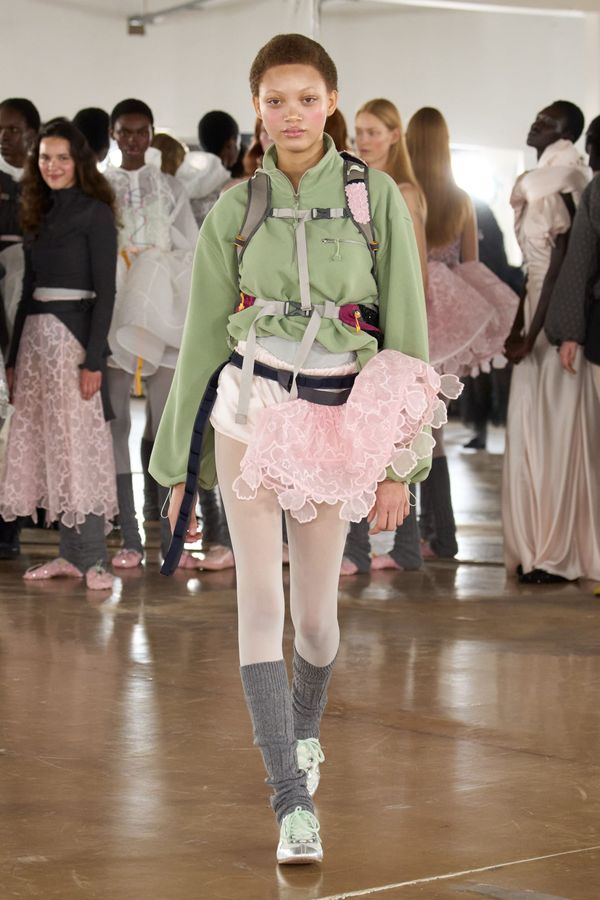
Bahnsen's Fall 2026 shows Copenhagen's romantic pragmatism as luxury fashion's smartest bet—femininity that's wearable, considered, and built to last.
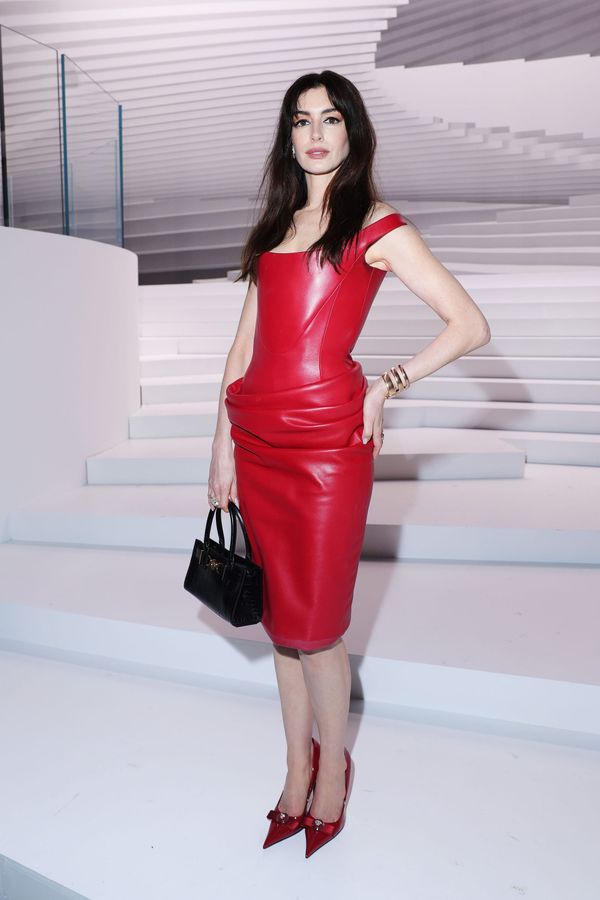
But it was co-written with Charli XCX, Jack Antonoff, and George Daniel for A24’s new film Mother Mary

The viral Staples employee isn't selling office supplies—she's selling the performance of not caring that she's selling office supplies. That's the only employee influencer model TikTok will allow.
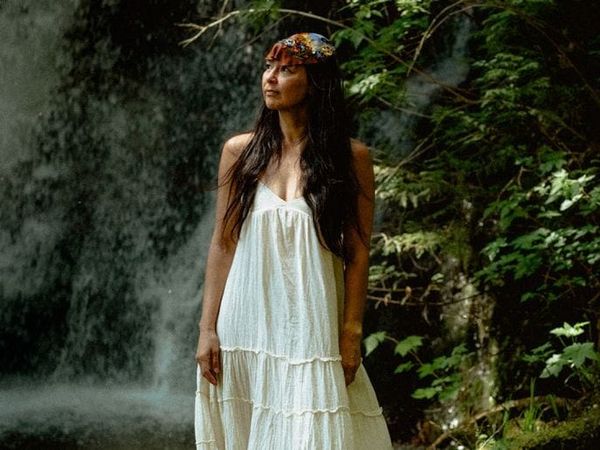
Jamie Gentry's moccasin exhibition positions ceremonial craft inside the contemporary art world while refusing the institutional frameworks that flatten its meaning—a deliberate friction that forces galleries to confront their own inadequacy.
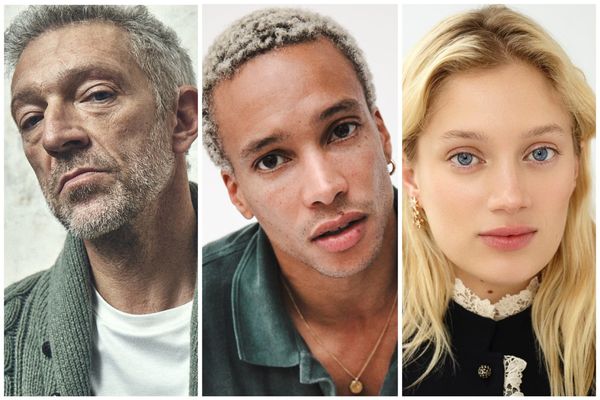
Vincent Cassel, Corentin Fila, and Nadia Tereszkiewicz join the Thailand-set season, confirming Mike White's anthology strategy prioritizes cultural authenticity over marquee names.
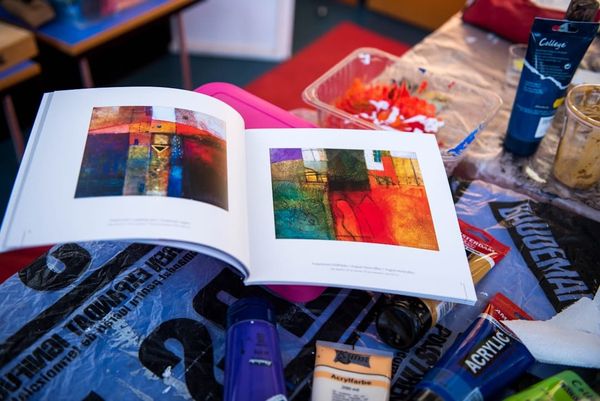
Photography books are the medium's truest form — sequenced, paced, and designed to be experienced as a whole. Here are the monographs from the last ten years that belong on your shelf.
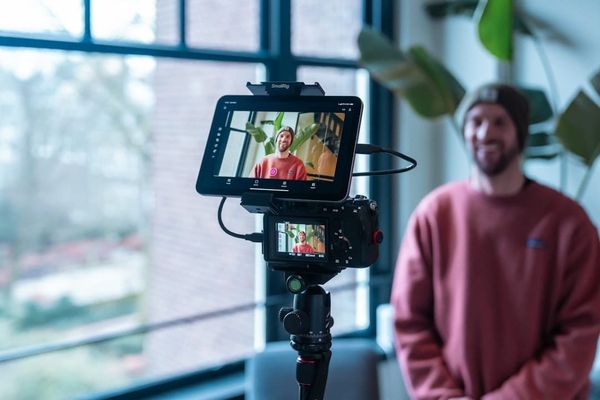
The creator economy is worth an estimated $250 billion and growing. Here's how content creators actually make money, what the platforms take, and why 96% of creators earn under $100,000.
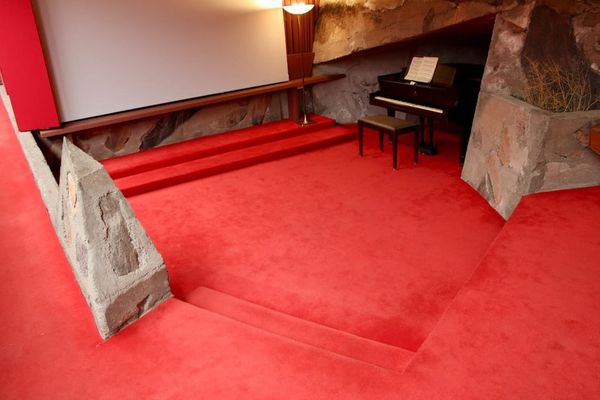
From Cher's 1974 Bob Mackie naked dress to Rihanna's papal cape, these are the Met Gala moments that changed fashion — and the ones the algorithm forgot.
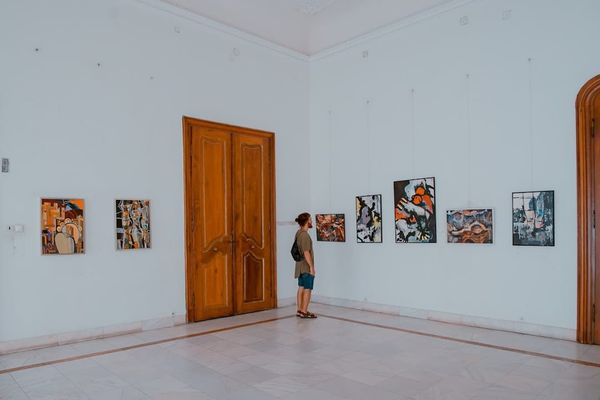
You don't need a trust fund to build an art collection worth caring about. Here's a practical guide to buying original art — from $50 prints to $5,000 paintings — without embarrassing yourself at a gallery.