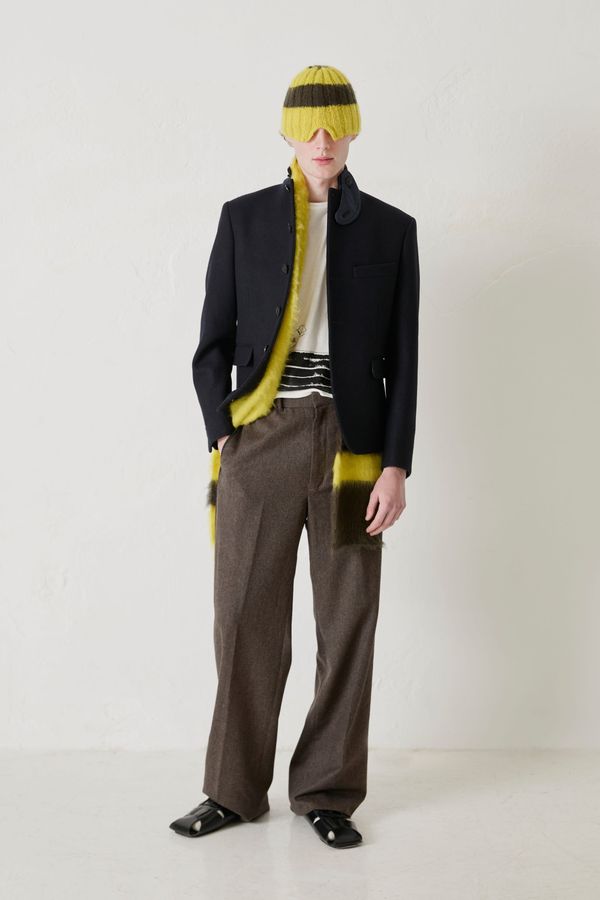
Carlota Barrera showed Fall 2026 in Madrid, not Paris — a decision that signals fashion's quiet regionalization and the erosion of the Big Four's monopoly on legitimacy.
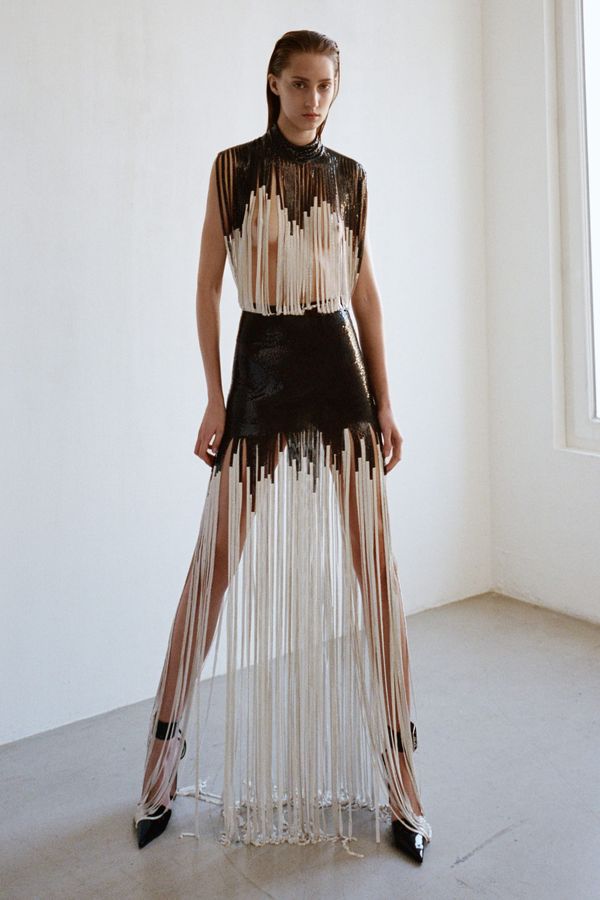
Ludovic de Saint Sernin's Fall 2026 collection proves queer sensuality has become luxury fashion's most bankable aesthetic—and the rest of the industry is still playing catch-up.
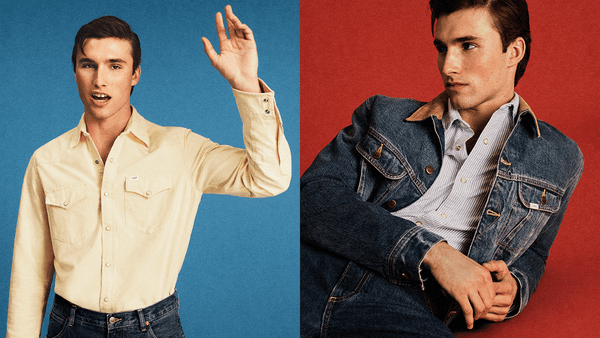
J.Crew's first collaboration with Lee reveals how far heritage prep brands will go to chase the cowboy aesthetic they spent decades avoiding—and what that shift says about American fashion's identity crisis.
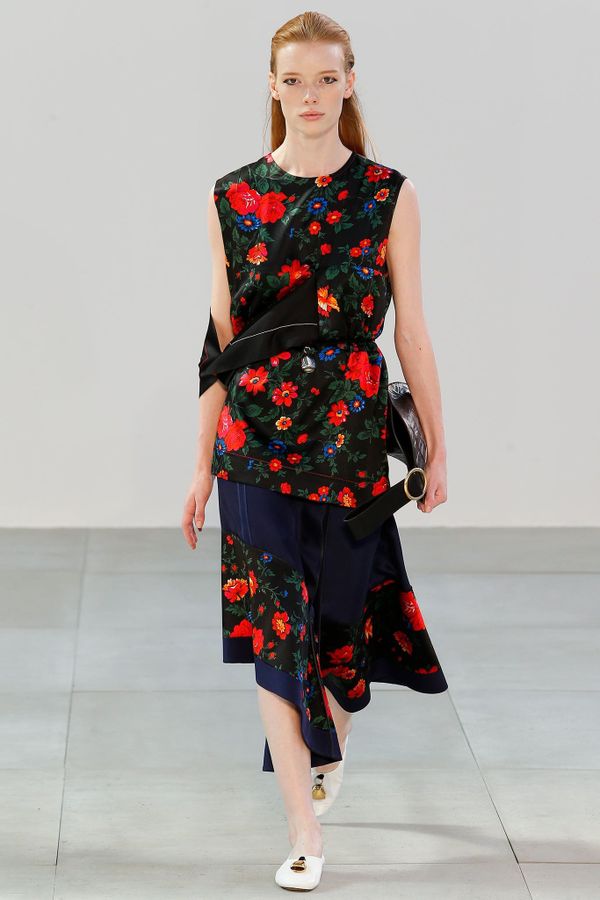
Drew Henry's appointment at a major brand extends a pattern: Phoebe Philo's former Céline team now occupies more creative director chairs than any other designer's alumni network. But can they succeed without the conditions that made Old Céline possible?
Deinfluencing tells you not to buy things. It is also, ironically, selling you something.
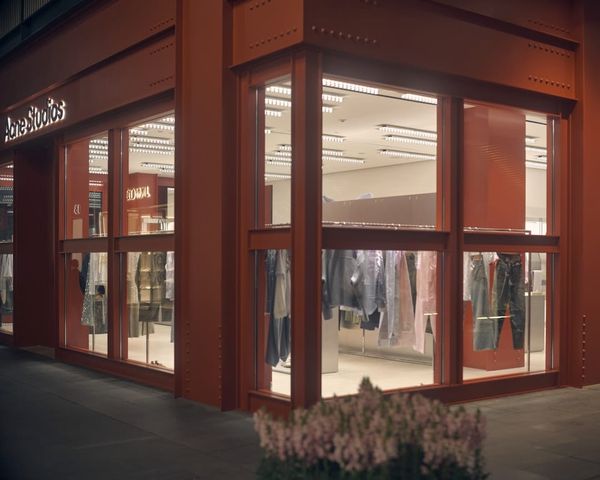
Loewe's Bergdorf Goodman window takeover signals LVMH's shift toward retail partnerships over owned stores — a smarter, cheaper way to build luxury brands in America.
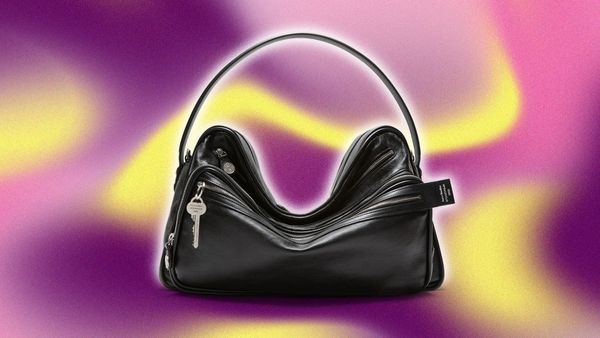
After decades of tote bag ubiquity, stylish men ditched the NPR merch for Acne Studios' Camero — a $650 carryall that signals taste without the virtue-signaling baggage totes accumulated.
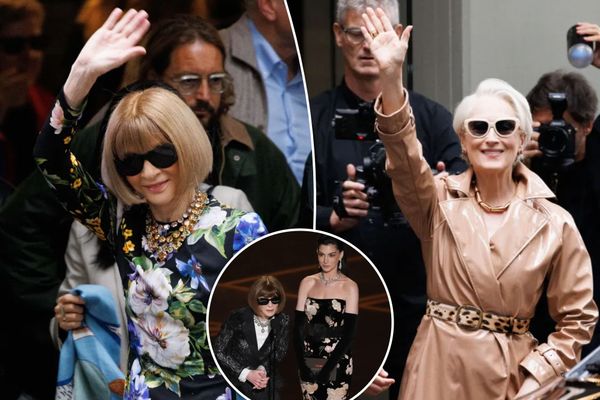
The Vogue editor-in-chief didn't tell anyone she was appearing at the Oscars with Anne Hathaway. She's spent two decades turning pop culture villainy into leverage worth more than likability.
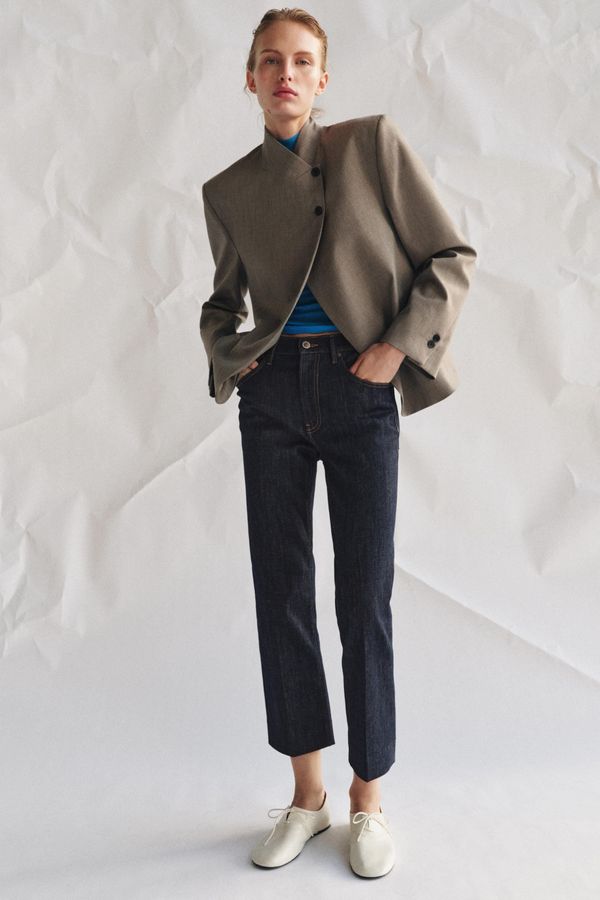
Derby shoes are replacing ballet flats as the default feminine flat, and Michael Rider's Celine is leading the shift by pushing masculine codes into women's wardrobes without softening the edges.
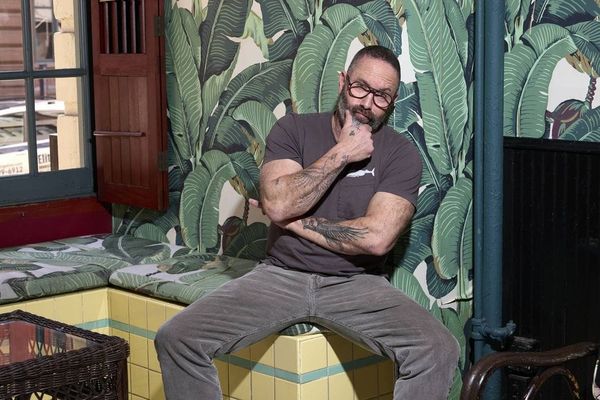
Alexis Bittar reacquired his jewelry brand and launched a viral social media series. His move from product designer to content producer is the blueprint for how independent creatives monetize attention when retail can't scale.
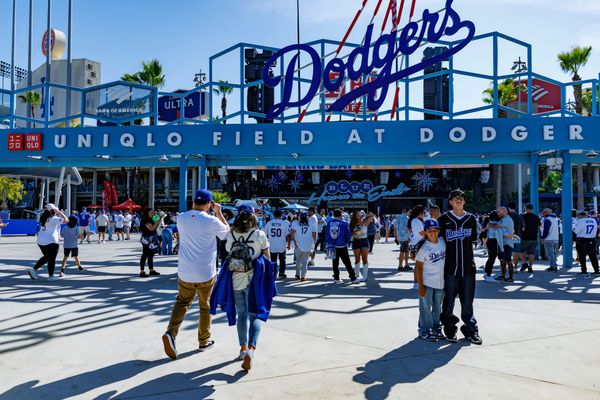
Dodger Stadium's Uniqlo naming deal marks the moment retail brands officially became cultural infrastructure — and nobody seems upset about it.
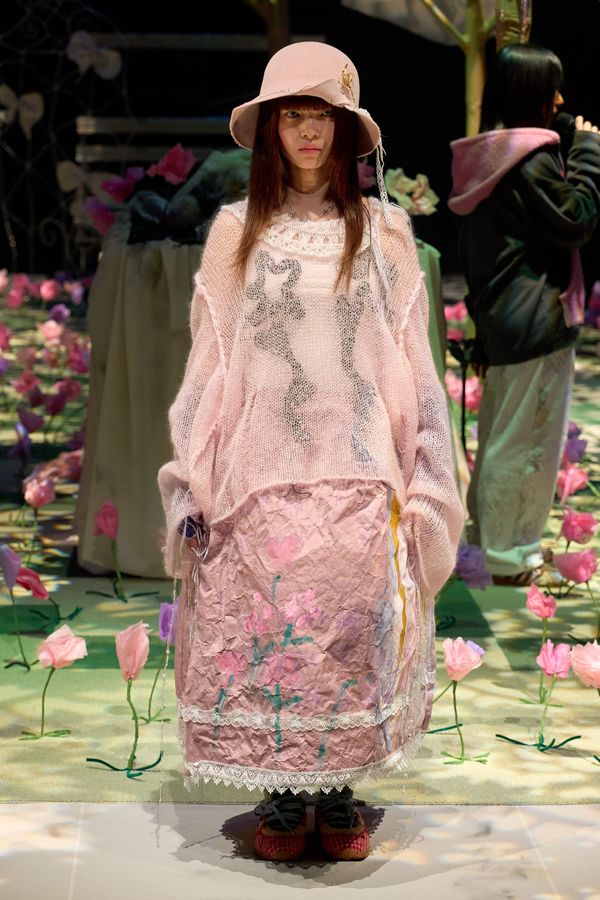
Yushokobayashi's Fall 2026 collection proves Tokyo Fashion Week is no longer a stepping stone to Paris — it's the destination for designers building craft credibility on their own terms.
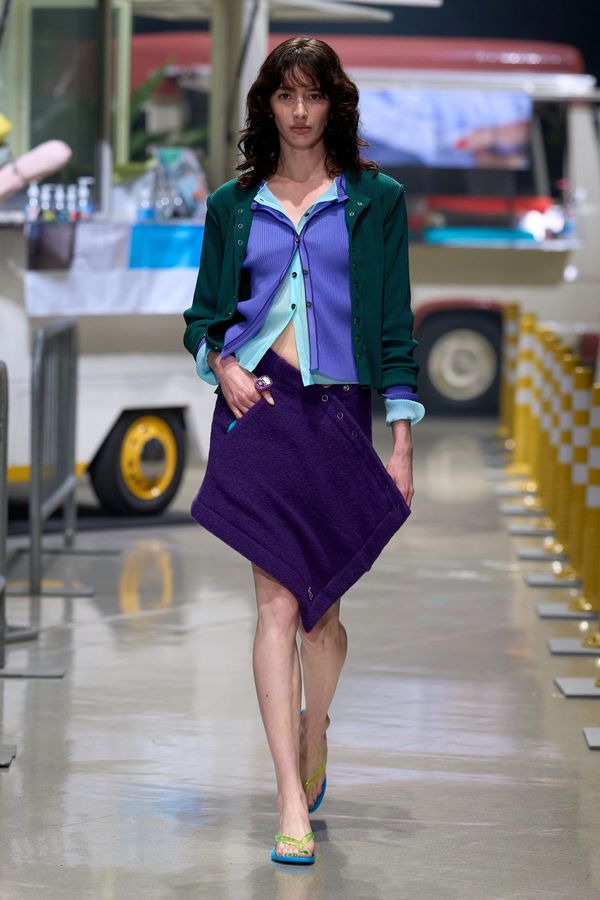
Kotohayokozawa's Fall 2026 collection shows Tokyo's emerging designers building Japanese minimalism as a business strategy — prioritizing craft over virality and customer loyalty over algorithmic engagement.
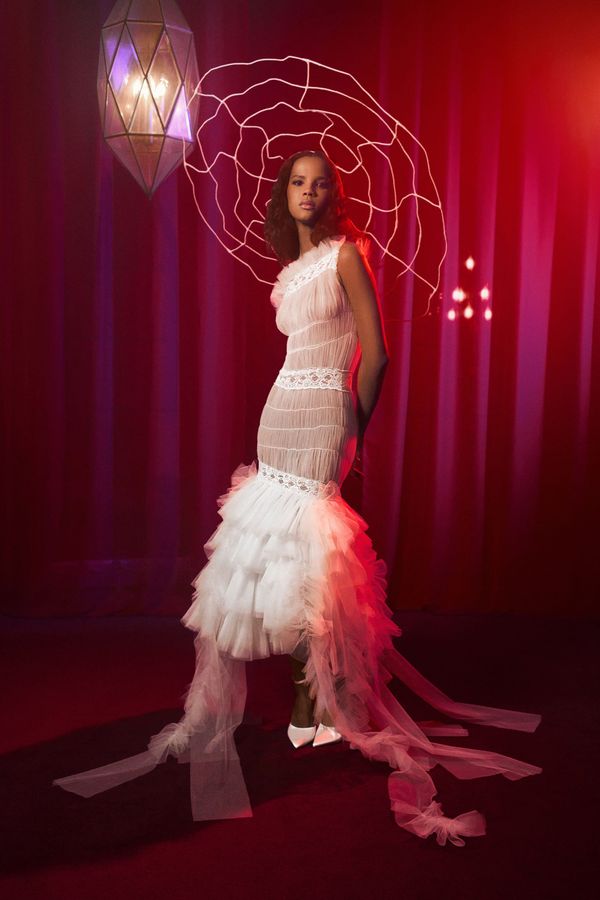
Kate and Laura Mulleavy's Fall 2026 collection uses hand-beading, layered tulle, and unapologetic decoration as a direct rebuke to the minimalism that's dominated luxury fashion for three years — and it's a strategy that's starting to look smarter than chasing trends.
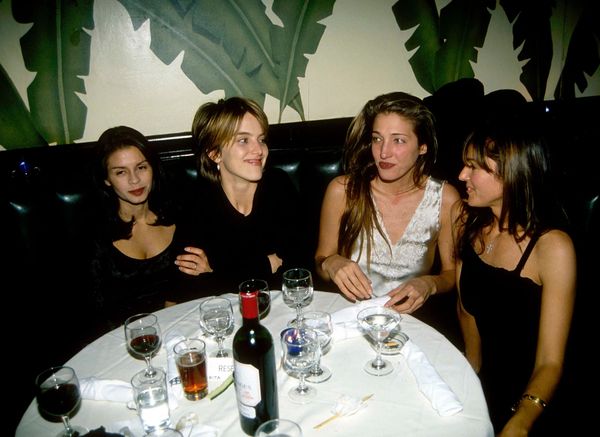
The '90s fashion revival isn't about slip dresses or minimalism—it's mourning a pre-surveillance era when you could attend a party without being recorded and leave the house without being tracked.
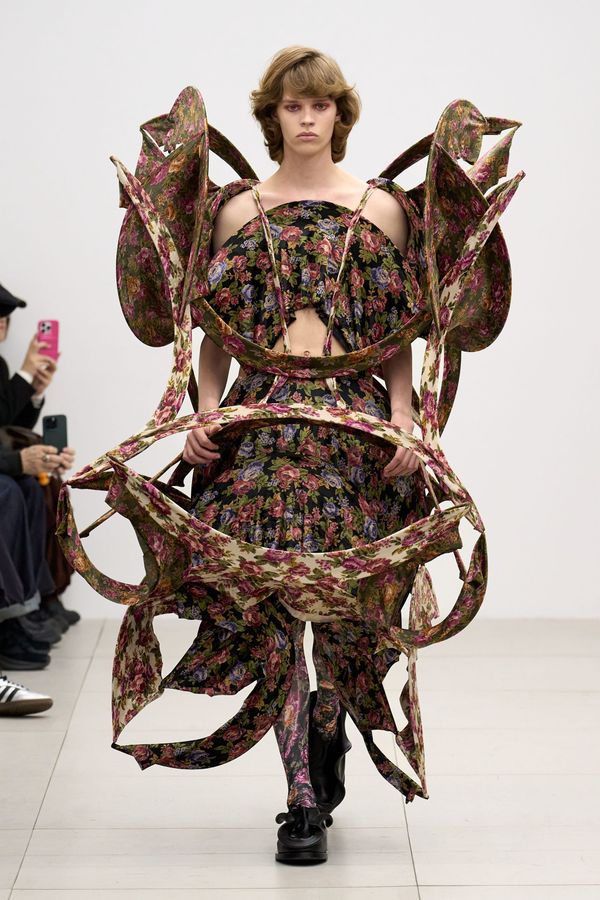
Ryunosukeokazaki's Fall 2026 collection shows how Tokyo's emerging designers are solving the problem that kills most experimental labels: building commercial viability into the craft, not after it.