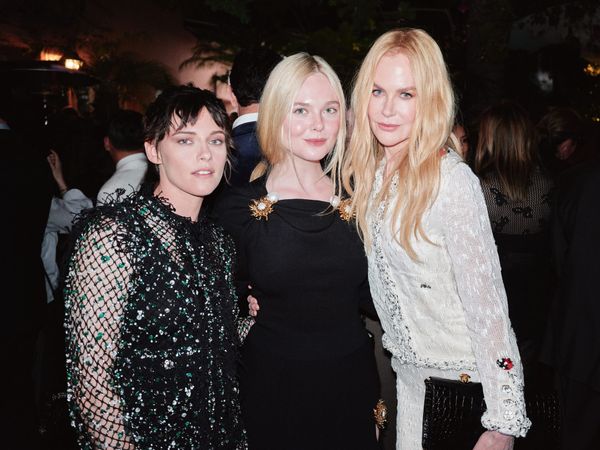
The Chanel-Finch Dinner's Exclusivity: No Cameras, No Pretense, Pure Hollywood Power
The 17th annual Chanel-Finch pre-Oscar dinner proves that in an industry where every event is content, exclusivity still works when it's actually exclusive.
Fashion, design, aesthetics, and visual identity at the intersection of entertainment and culture. Tinsel's style coverage examines how the industry presents itself — and what those choices communicate about power, taste, and belonging.
The 17th annual Chanel-Finch pre-Oscar dinner proves that in an industry where every event is content, exclusivity still works when it's actually exclusive.
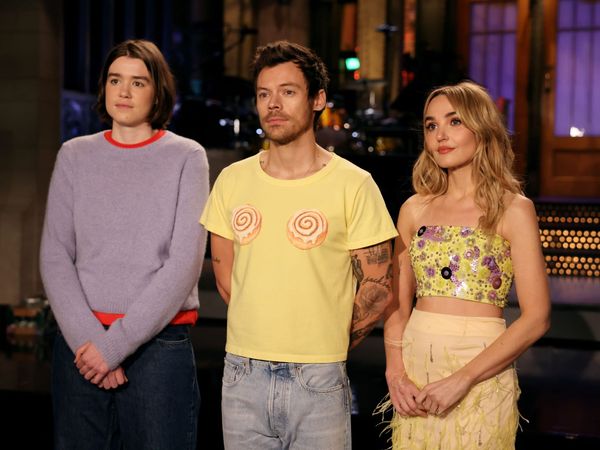
Harry Styles wore three looks on SNL. Late-night TV used to be about the music. Now it's another runway — and Styles knows exactly what he's doing.
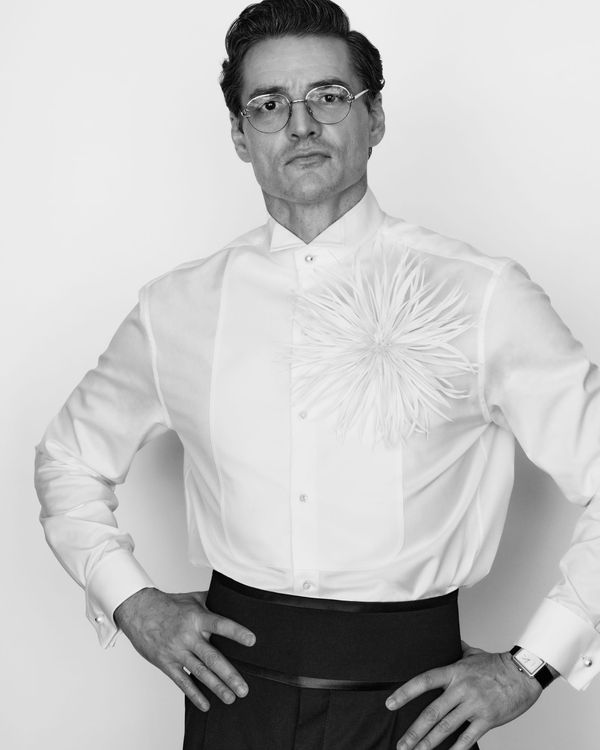
Pedro Pascal's custom jacketless Chanel tuxedo at the Oscars signals the luxury house is finally building menswear infrastructure — not just renting red carpet visibility.
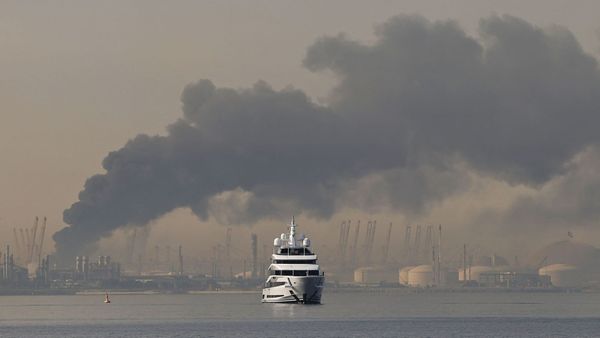
The Strait of Hormuz closure is exposing fashion's just-in-time supply chain as more fragile than the industry admitted — and the brands that optimized for speed are learning what efficiency really costs.
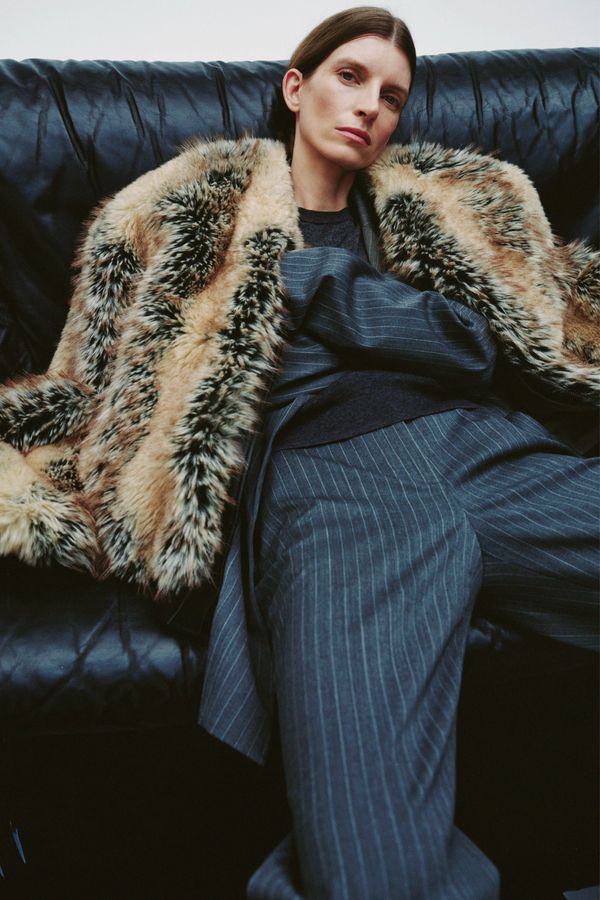
The Frankie Shop showed 32 looks at Paris Fashion Week Fall 2026, and if you scrolled past the collection on Instagram without reading the caption,
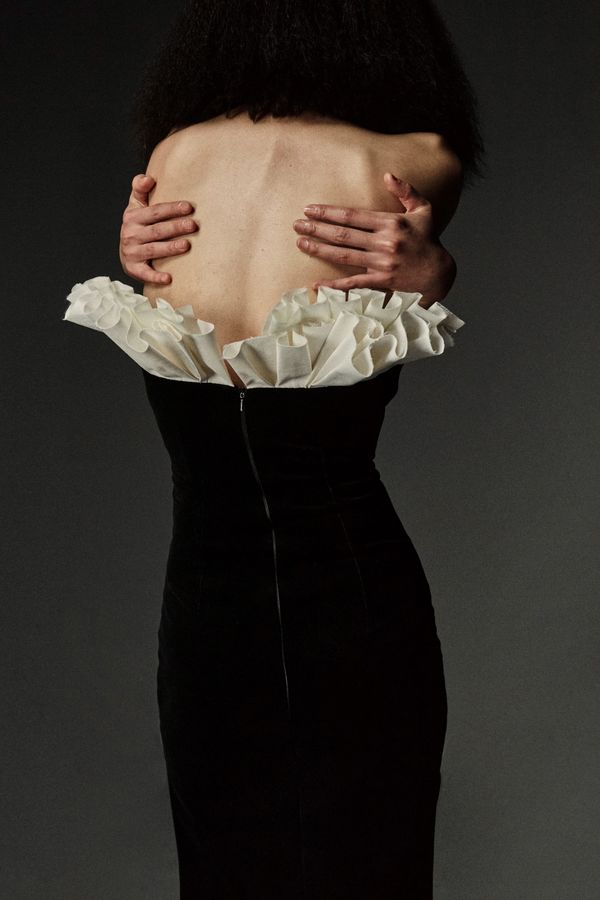
Natalie Kingham's A.W.A.K.E. Mode Fall 2026 collection proves that emerging designers can compete with heritage brands on craft alone — no founding myth required, just architectural precision and technical construction.
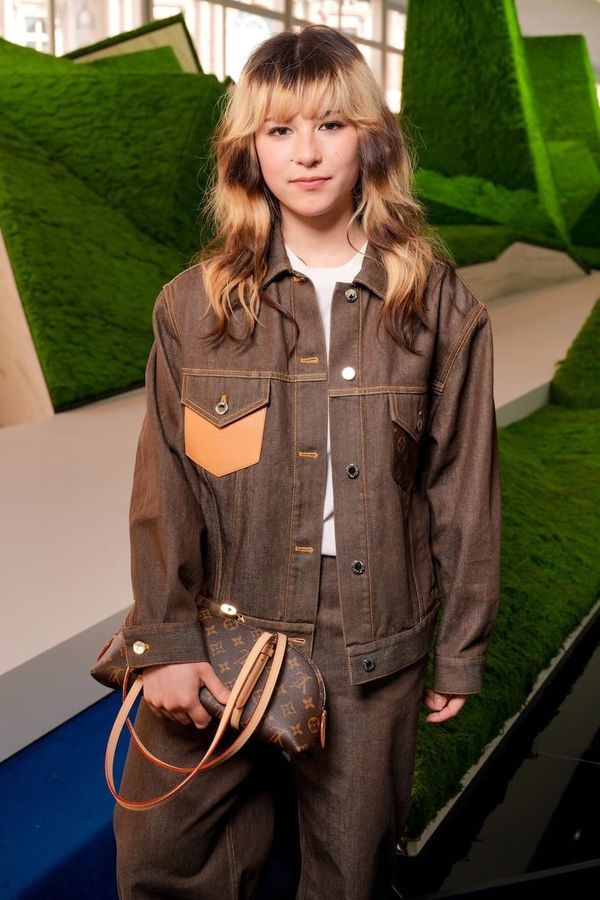
Alysa Liu's Louis Vuitton debut signals that luxury brands have found a new celebrity tier: Olympic athletes who deliver youth credibility and cultural momentum at a fraction of Hollywood rates.
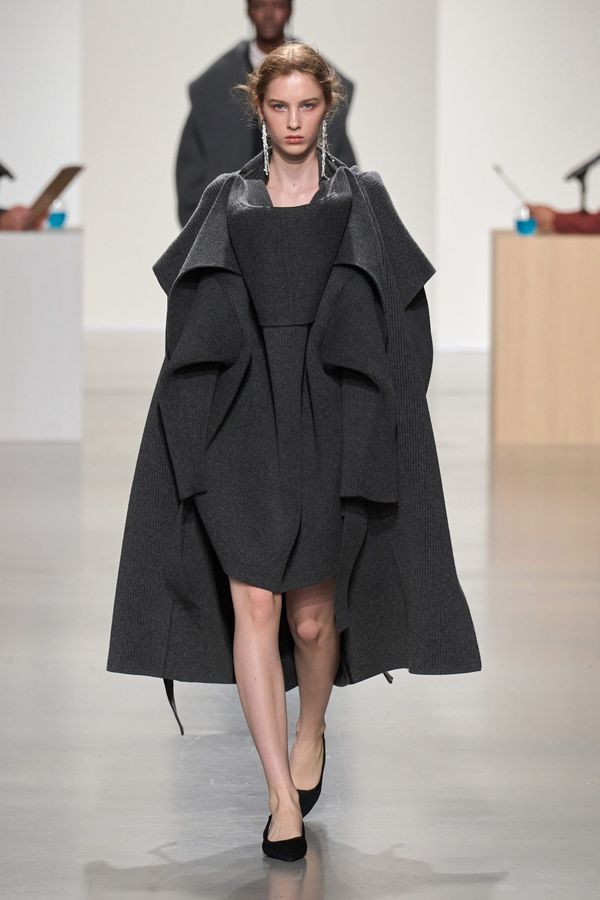
CFCL's Fall 2026 collection demonstrates that technical innovation and environmental responsibility can coexist without compromising design ambition—a strategic advantage Japanese designers have been building for two decades.
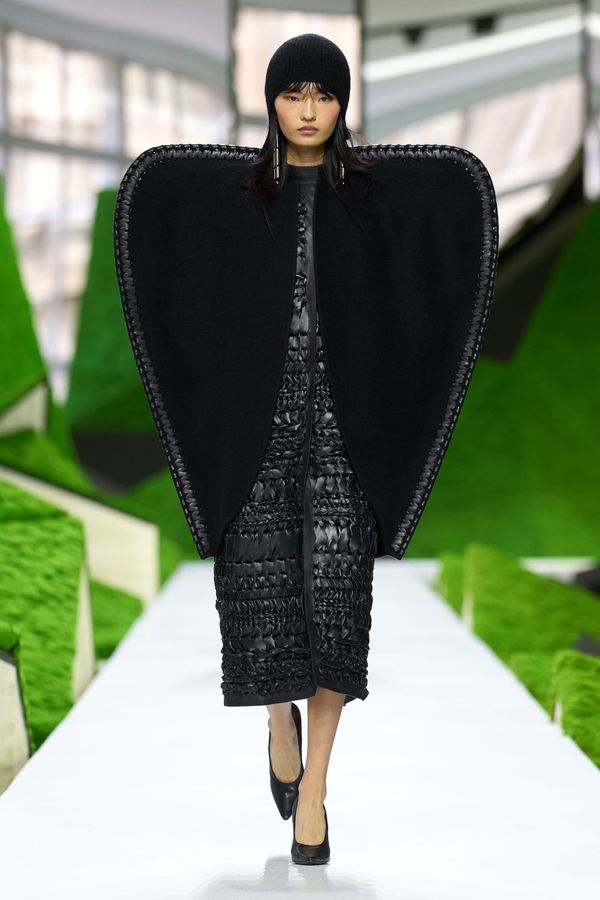
While LVMH's other brands chase streetwear and celebrity collaborations, Nicolas Ghesquière's Fall 2026 collection holds the conglomerate's intellectual high ground—proof that luxury still employs designers who think in decades, not drops.
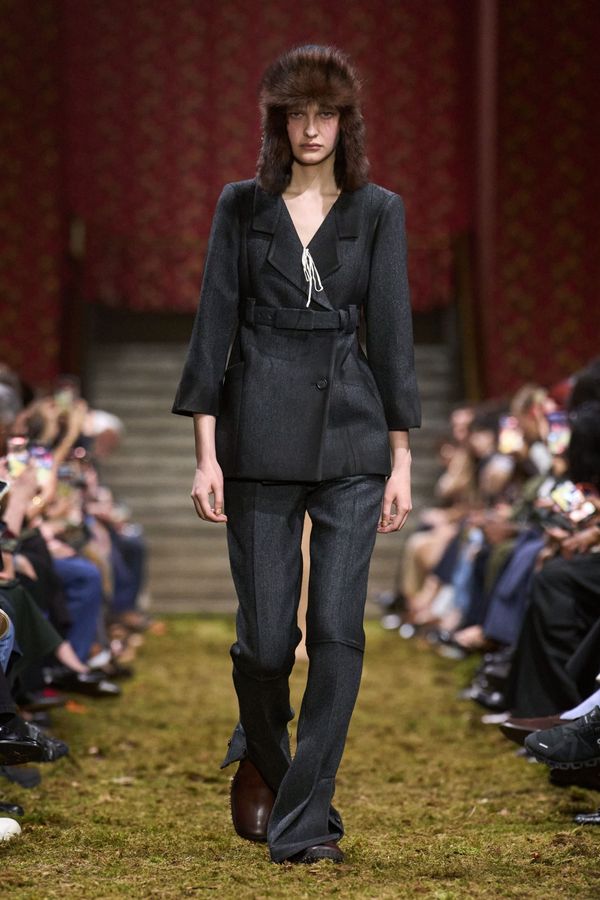
Miu Miu Fall 2026 doesn't ask you to aspire — it assumes you already understand the references. Miuccia Prada is betting luxury's next customer values intelligence over access.

Los Angeles has more architecturally interesting hotels than any city in the country. Here's where to stay — from a converted firehouse in the Arts District to a Quentin Tarantino-approved Hollywood classic.
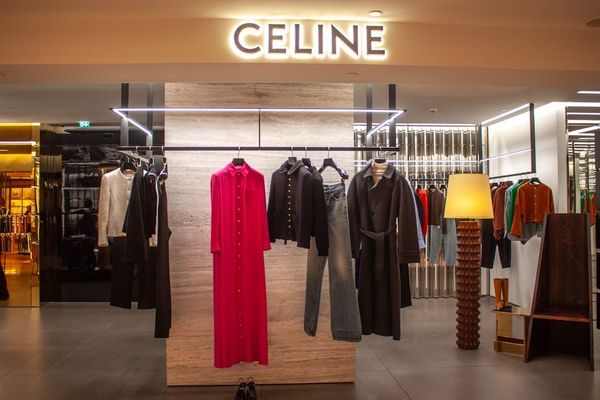
The secondhand luxury market is growing three times faster than first-hand fashion. Here's how every major resale platform actually works — what they authenticate, what they charge, and which one is right for you.
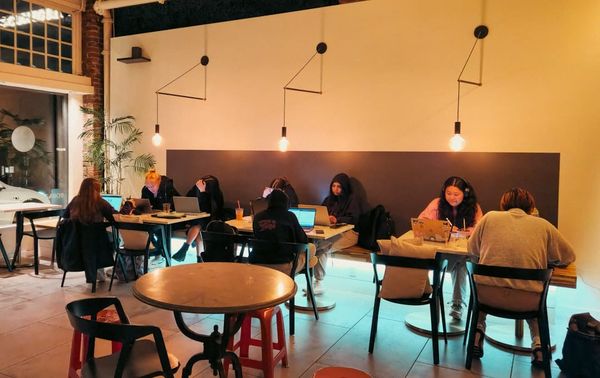
Not every coffee shop wants you and your laptop. These are the LA cafes that do — with real WiFi, actual outlets, and an unspoken agreement that you're there to stay awhile.
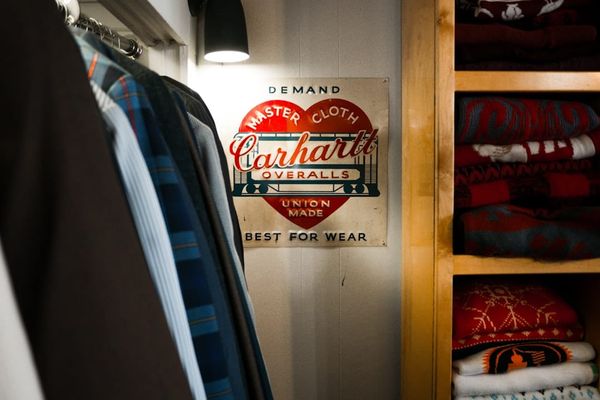
Los Angeles has more vintage clothing per square mile than any city in America. Here's where to shop — from Melrose Avenue's designer resale spots to the Sunday dollar sales that costume designers swear by.
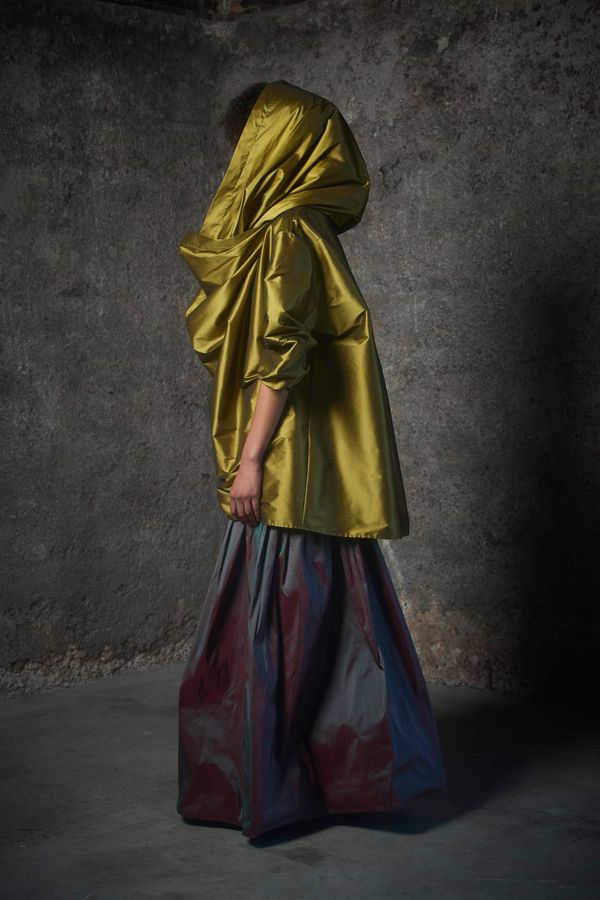
Rory William Docherty's Fall 2026 collection proves there's still room in fashion for designers who prioritize craft and wearability over manufacturing viral moments and hype cycles.
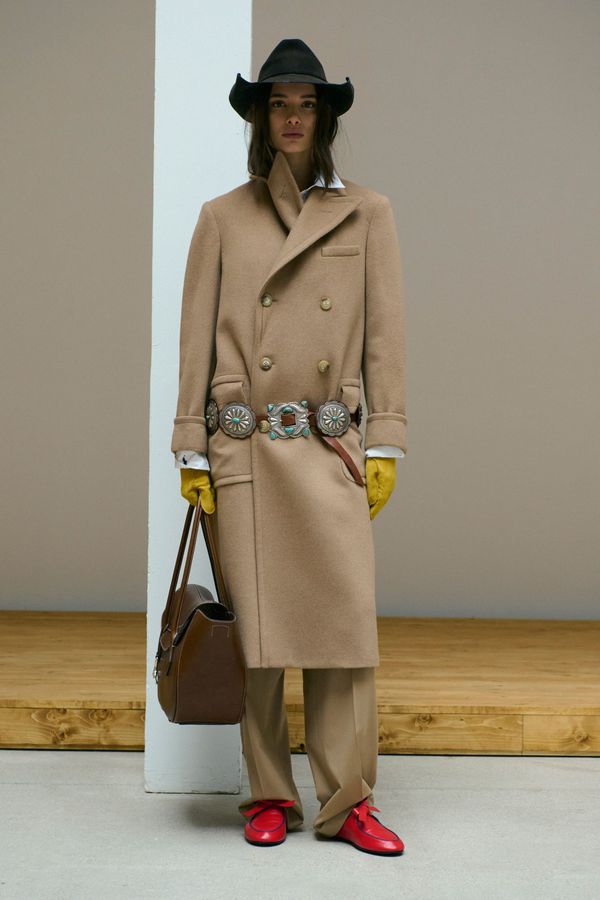
While the rest of fashion scrambles to keep up with viral moments and algorithmic churn, Ralph Lauren's Fall 2026 collection doubles down on the idea that some things are built to last longer than a trend cycle.