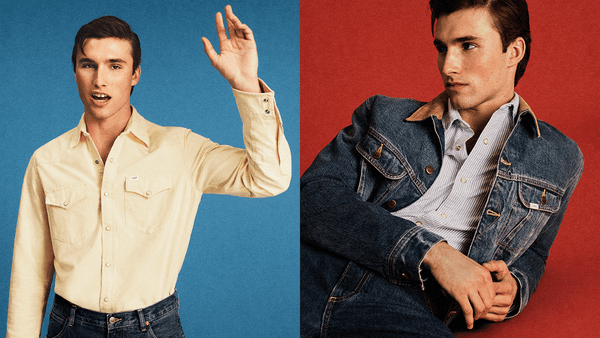
J.Crew's first collaboration with Lee reveals how far heritage prep brands will go to chase the cowboy aesthetic they spent decades avoiding—and what that shift says about American fashion's identity crisis.

When Kris Jenner's face became a good luck charm on Chinese platforms, it exposed how Western celebrity brands get recontextualized the moment they cross cultural and algorithmic borders.
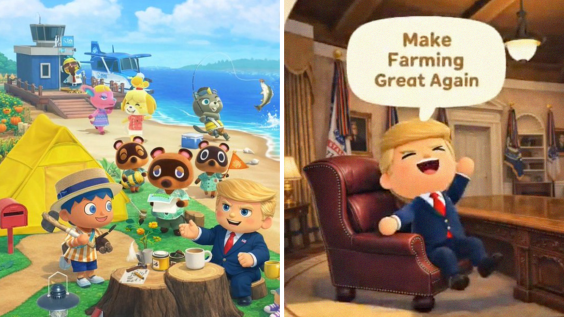
Fans are demanding Nintendo disavow the White House's Animal Crossing-style AI video, and the company's silence is teaching the internet a new lesson: staying quiet on political IP misuse now reads as complicity.

Drew Henry's appointment at a major brand extends a pattern: Phoebe Philo's former Céline team now occupies more creative director chairs than any other designer's alumni network. But can they succeed without the conditions that made Old Céline possible?

Pixelheart is developing a survival horror game for the Sega Dreamcast — a console discontinued in 2001. It's not nostalgia. It's indie developers rejecting planned obsolescence as creative constraint.
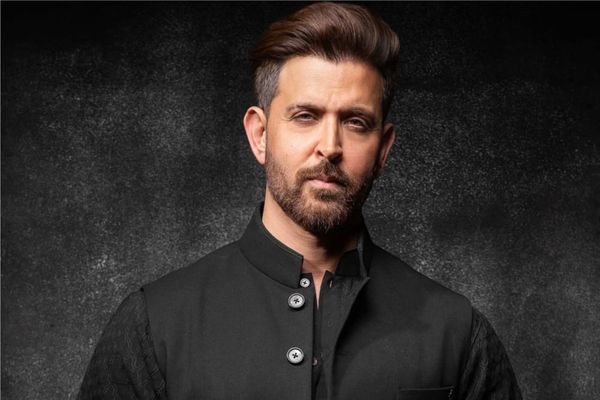
Prime Video India's 54-title slate in Hindi, Tamil, and Telugu reveals the streaming strategy that works in markets where Netflix arrived first but never built production infrastructure.
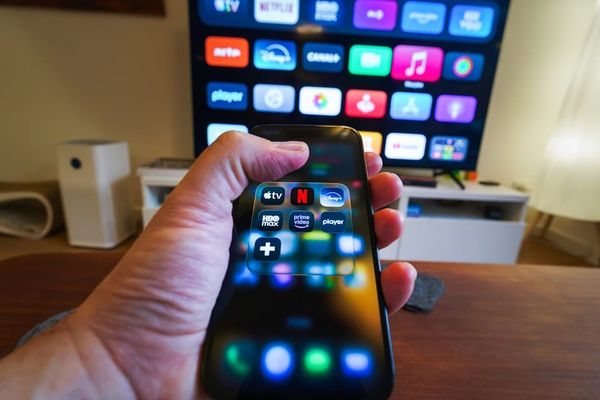
Three platforms. Three strategies. One monthly budget. Here is which streaming service is actually worth paying for.
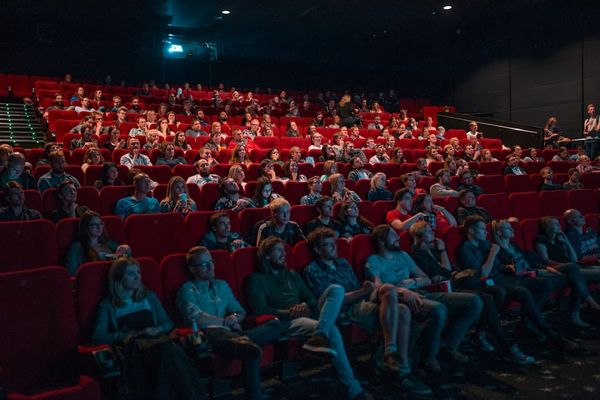
Sundance gets 17,000 submissions and accepts 200. Here is how the process actually works.

Everyone is a content creator now. But what does that actually mean — and why does the label matter?
Television used to be what you watched when you had nothing better to do. Now it is the art form that defines the era.
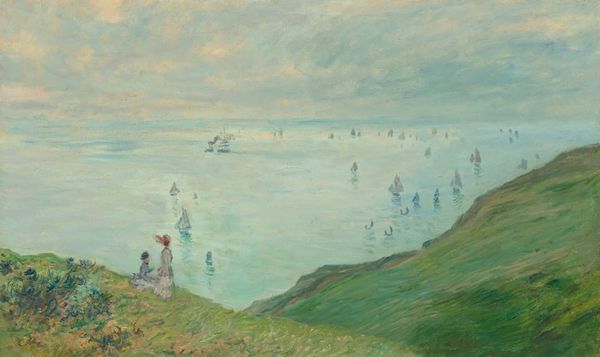
Georges Seurat's Channel coast seascapes weren't vacation work—they were a deliberate escape from the studio discipline that defined his career, and a model for sustainable creative labor.
Belgian designer Jacques Averna built electric guitars shaped like clouds, fried eggs, and padlocks. They're designed to be seen, not heard — and that's the problem.
The term was coined in 1956. TikTok turned it into a lifestyle.
The mass audience is dead. Nichecasting is what replaced it.
The dust has settled on the streaming wars. Here is who survived, who pivoted, and what the next phase of the entertainment industry actually looks like.

Your inbox is full. These entertainment newsletters are the only ones worth keeping.
