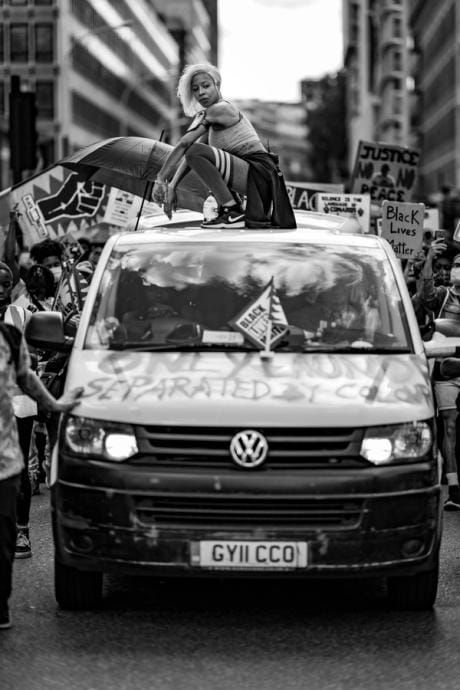
Misan Harriman's Hope 93 gallery exhibition brings together seven years of protest photography—work that circulated on Instagram before it reached any gallery wall. It's proof that social media-native artists are successfully translating platform visibility into institutional credibility.
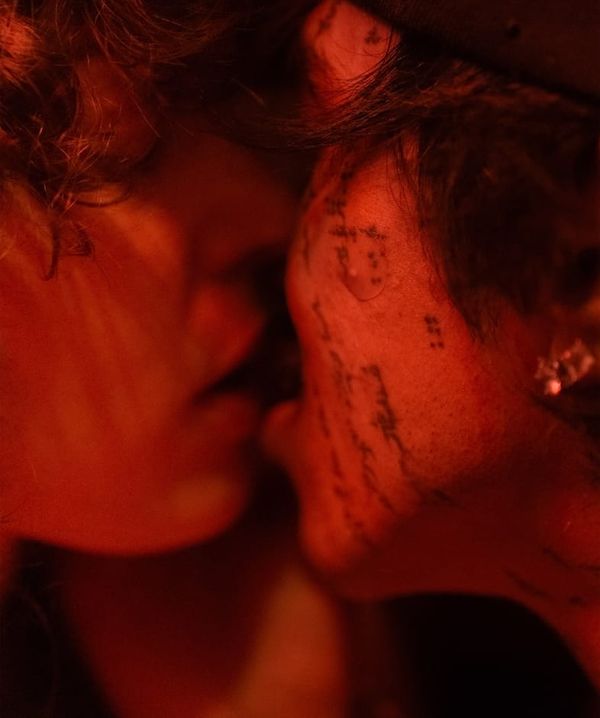
Alexander Elkholm's new exhibition captures queer London at rest, not in resistance—a shift that marks one of the most significant transformations in LGBTQ+ visual culture, and raises questions about who gets to make quiet work.
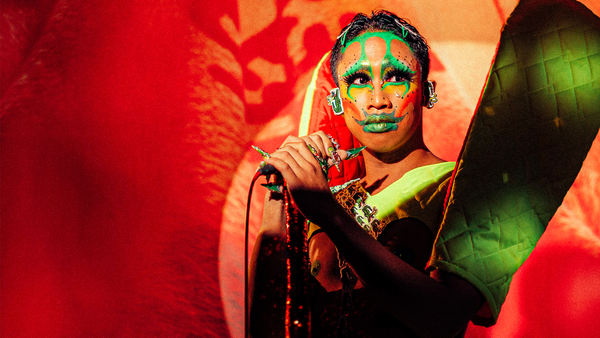
CONDUCTOR opens in Brooklyn April 30 as New York's first "global majority" art fair — but the progressive framing obscures a straightforward commercial bet on undervalued markets.
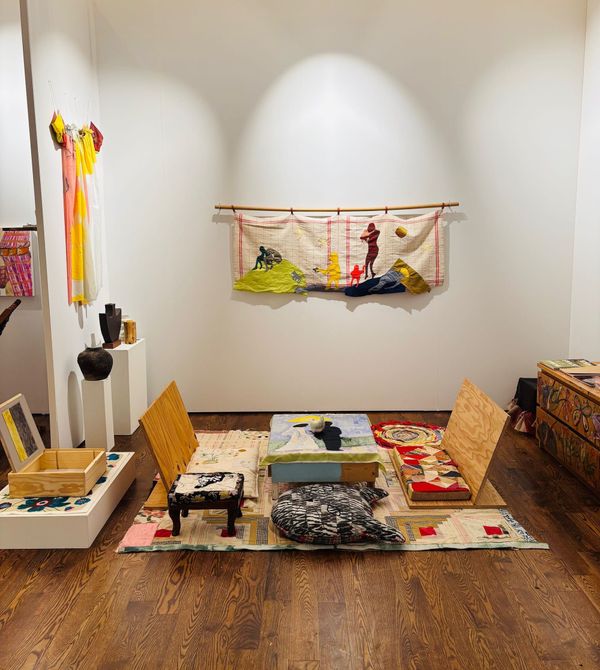
The fashion designer and artist is reviving an existing concept by designing a booth that looks like her home, and inviting 44 friends to fill the store.
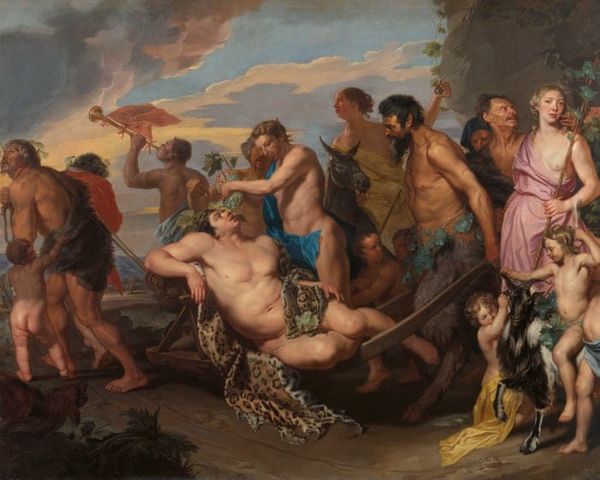
Michaelina Wautier's masterpiece hung in Vienna for decades under other men's names. Her first UK show, at the Royal Academy, is a genuine rediscovery — and a study in how cheaply institutions honor the artists they once erased.
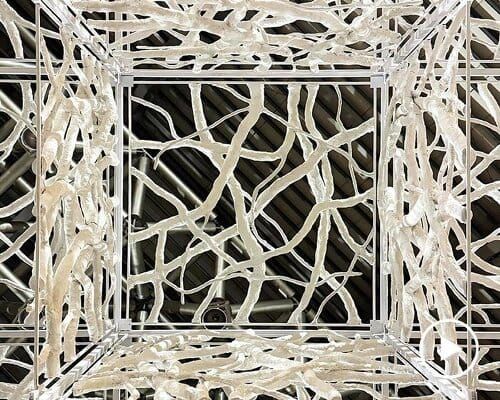
Raza Zahid's papercrete installation uses recycled paper waste to build a tree-like spatial structure that shows how sustainable art is moving beyond virtue signaling into genuine material innovation.
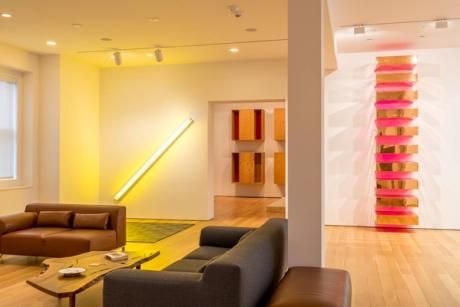
Henry S. McNeil Jr.’s collection, led by a major Judd "stack" sculpture, is expected to exceed $30m at Christie's this spring
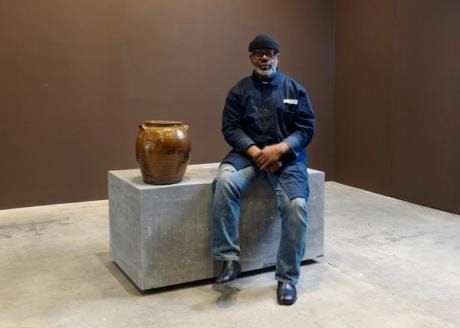
Theaster Gates gifted a David Drake pot from his own collection to the enslaved ceramicist's descendants—and made repatriation a personal choice, not just an institutional obligation.
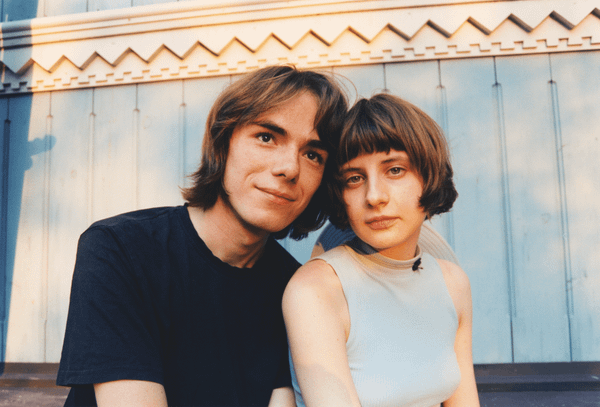
Ukrainian photographer Anastasiia Pischanska's Gen Z portraits shift war documentation from photojournalism's front lines to the quiet, suspended spaces where young people wait for their lives to resume.

The National Portrait Gallery added Lily Allen's album art to its contemporary collection, treating pop culture portraiture as museum-worthy. The line between commercial and fine art is collapsing.

Artificial intelligence is rapidly reshaping entire industries, from finance to media to healthcare, with significant breakthroughs accelerating within the past few months alone. The art world will be no exception, as AI could offer boundless potential, from helping art businesses operate more effic
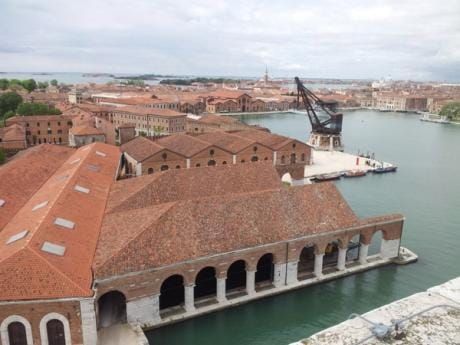
Nearly 200 Venice Biennale participants signed a letter demanding Israel's pavilion be canceled. The move exposes how cultural boycotts have become the art world's only tool for accountability—because the institutions were never built to provide it.
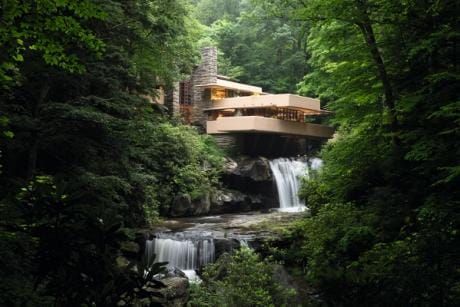
A $7 million conservation project at Fallingwater finally addresses Frank Lloyd Wright's endemic leaking problem—and quietly admits that architectural icons often fail at their most basic function.
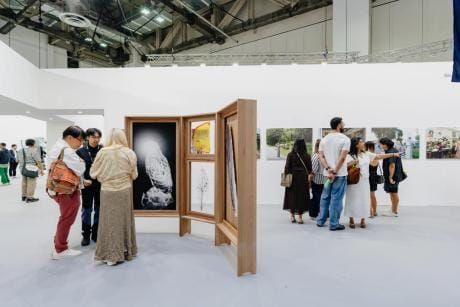
Art SG absorbed S.E.A. Focus for the first time this year, and dealers are worried the boutique curation that made Southeast Asian art accessible is getting swallowed by scale economics.
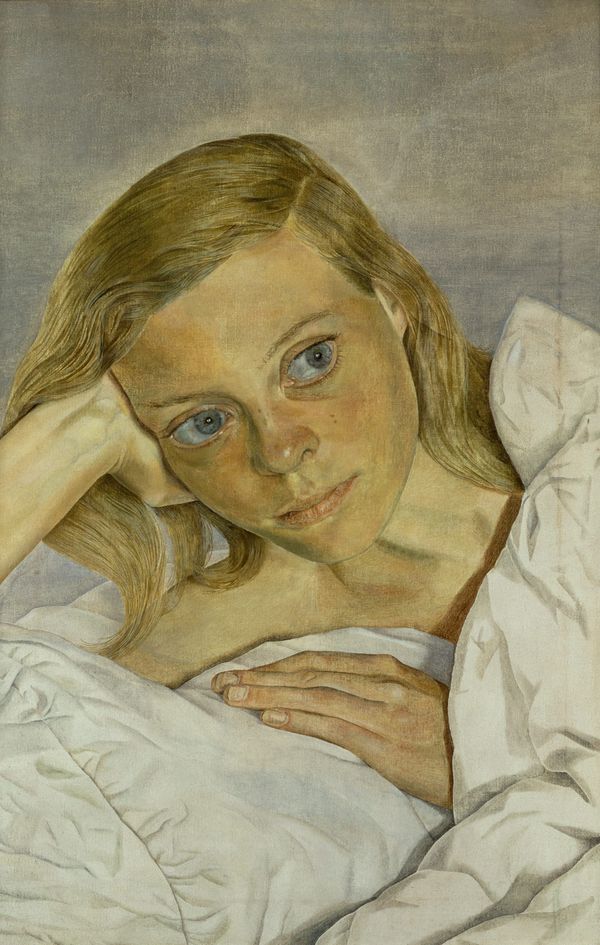
A new National Portrait Gallery exhibition reframes Lucian Freud as a painter of psychological dislocation—people painfully adrift from themselves. In 2026, that feels more urgent than nostalgic.
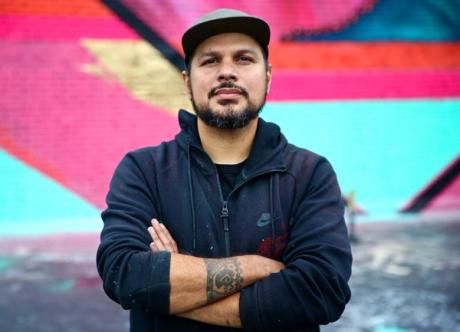
The University of North Texas removed Victor Quiñonez's immigration-themed exhibition without explanation — a censorship strategy that relies on administrative silence rather than public justification.