What Is a Parasocial Relationship? The Psychology Behind Celebrity Obsession
The term was coined in 1956. TikTok turned it into a lifestyle.
The term was coined in 1956. TikTok turned it into a lifestyle.
The mass audience is dead. Nichecasting is what replaced it.
The dust has settled on the streaming wars. Here is who survived, who pivoted, and what the next phase of the entertainment industry actually looks like.
Your inbox is full. These entertainment newsletters are the only ones worth keeping.
The internet is no longer a thing you go to. It is the thing everything else happens inside.
Deinfluencing tells you not to buy things. It is also, ironically, selling you something.
Loewe's Bergdorf Goodman window takeover signals LVMH's shift toward retail partnerships over owned stores — a smarter, cheaper way to build luxury brands in America.
With K-pop dominating headlines—especially following K-Pop Demon Hunters’ win for best animated film at the 2026 Oscars—the genre is now making art world inroads. Beloved K-pop boyband BTS performed their new single, Swim, at the Guggenheim Museum in New York for a segment on The Tonight Show with J
Studio Dome's U.S. release of James Franco's Italian WWII drama reveals the European arthouse roadmap for Hollywood comebacks — work abroad, premiere at festivals, let a small distributor pick it up later.
Newgrounds Roulette went viral by shuffling through Flash animations from the 2000s—not because people miss the content, but because they miss an internet where making weird stuff didn't require a monetization strategy.
After decades of tote bag ubiquity, stylish men ditched the NPR merch for Acne Studios' Camero — a $650 carryall that signals taste without the virtue-signaling baggage totes accumulated.
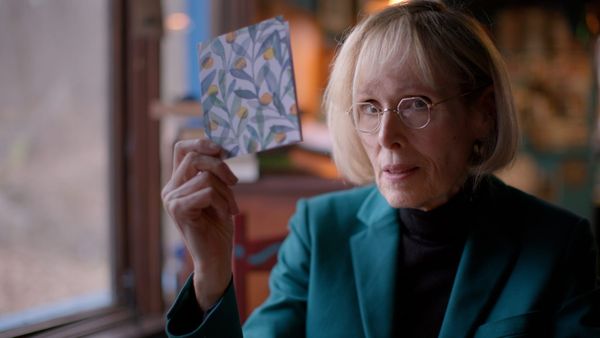
Abramorama's acquisition of the E. Jean Carroll documentary confirms that Trump's courtroom defeats have created a new category of theatrical release — where the legal victory is the story, not just the subject.
Amazon renewed 'Off Campus' before it aired—proof that BookTok adaptations are now pre-sold on fanbase metrics, not creative merit.
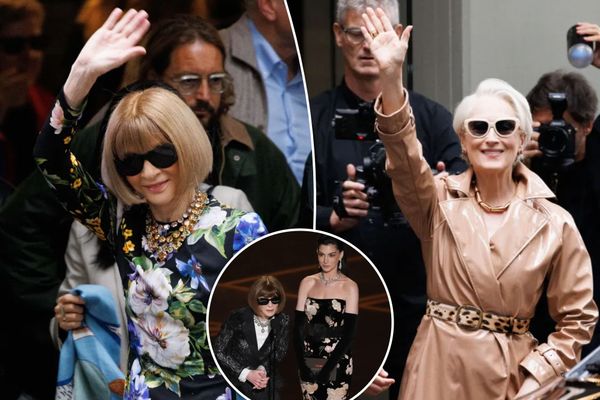
The Vogue editor-in-chief didn't tell anyone she was appearing at the Oscars with Anne Hathaway. She's spent two decades turning pop culture villainy into leverage worth more than likability.
Derby shoes are replacing ballet flats as the default feminine flat, and Michael Rider's Celine is leading the shift by pushing masculine codes into women's wardrobes without softening the edges.
Ella Purnell is boarding the Nicholas Galitzine starring thriller The Return of Stanley Atwell from BAFTA- and Golden Globe-winning, Oscar-nominated Hamnet producer Hera Pictures. The pic is being co-produced with John Gore Studios. Production is starting soon in the UK and Malta. Written and direct